Auto Glass Windshield Repair Service: When to Repair, When to Replace, and What to Ask
The short answer
Small, isolated chips and short cracks in a laminated windshield can often be repaired rather than replaced, provided the damage is not in the driver's direct line of sight, has not reached the edge of the glass and has not penetrated both layers. Repair is usually quicker and keeps the original factory seal intact. Replacement becomes the likely outcome when damage is large, spreading, sits at the edge, obstructs the driver's view or interferes with cameras and sensors mounted behind the glass. The exact size limits that separate repair from replacement vary between providers, insurers and local inspection rules, so confirm them with the shop assessing your vehicle rather than relying on a general rule of thumb.
How windshield repair works
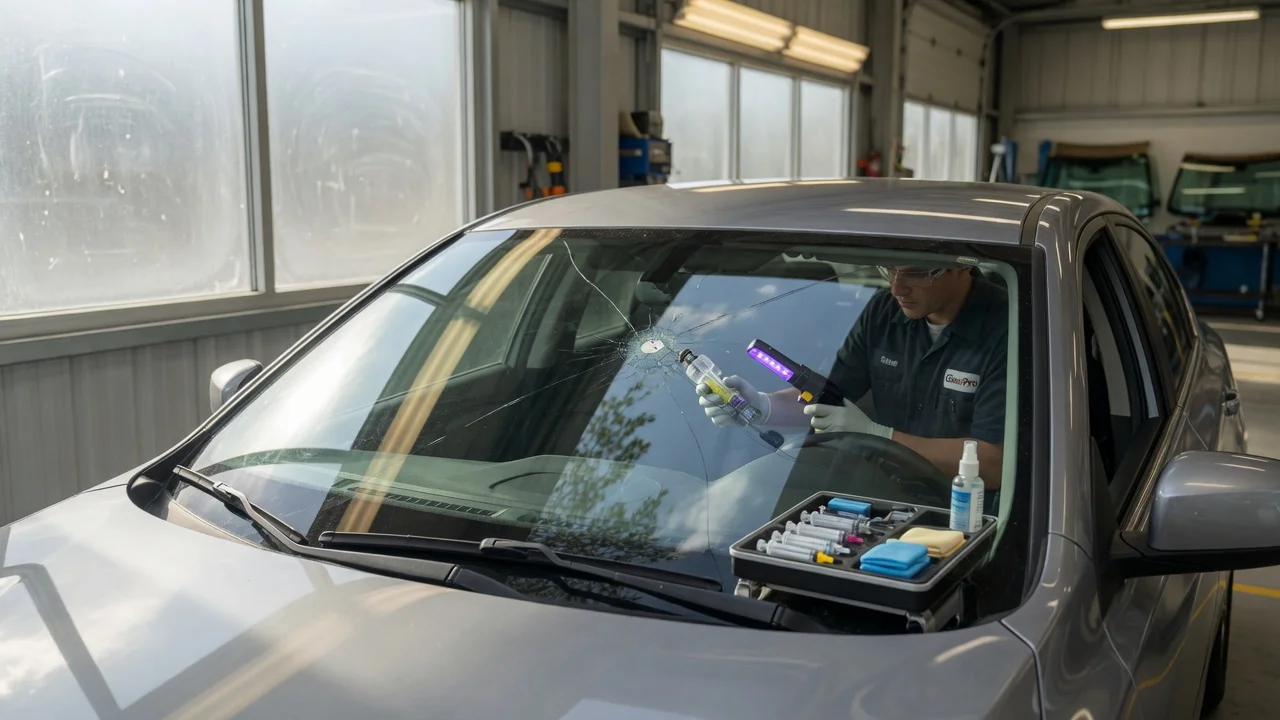
Most modern windshields are laminated glass: two layers of glass bonded to a plastic interlayer. Chips and short cracks typically affect only the outer layer. A repair technician cleans the damaged area, removes air and moisture from it, injects a clear resin and cures it so the break is filled and stabilised. The aim is to stop the damage spreading and restore strength to that area. A repair often reduces how visible the damage is, but it may not make it disappear completely, so a faint mark can remain.
Factors that decide repair versus replacement
Size of the damage: smaller chips and shorter cracks are better candidates for repair; ask the provider what limits they work to. Location: damage in the area directly in front of the driver is often treated more strictly, because even a good repair can leave slight distortion. Distance from the edge: cracks that reach or start near the edge of the glass tend to spread and are commonly treated as replacement jobs. Depth: damage that goes through both glass layers or into the interlayer is generally not repairable. Number of damage points: several chips close together may make replacement the more sensible choice. Contamination and age: dirt and moisture that have worked into a break over time can make a repair less effective, which is why prompt attention matters. Sensors and cameras: damage near a windshield-mounted camera, rain sensor or similar component can affect how those systems see the road.
Why acting early matters
A chip that is repairable today can turn into a crack that requires replacement. Temperature changes, road vibration, washing the car and closing doors firmly can all put stress on damaged glass. If you cannot get a repair booked straight away, keeping the area clean and dry and avoiding sudden temperature shocks, such as blasting hot air onto cold glass, can help limit spreading. Some people cover the chip with clear tape as a temporary measure; this is not a fix, only a way to keep dirt out until it is assessed.
Legal and inspection considerations
Vehicle inspection and roadworthiness rules typically restrict how much damage is acceptable in the driver's field of view, and a windshield that falls outside those limits can cause a vehicle to fail inspection. The specific zones and size thresholds differ by country and region, and this guide does not have verified figures for your area. If you are in Doncaster, note that the name applies to places in both England and Australia, which have different inspection regimes, so check the current rules for your own location or ask the windscreen repair provider to confirm whether your damage is within acceptable limits.
Cameras, sensors and calibration
Many newer vehicles mount driver-assistance cameras and sensors behind the windshield, for features such as lane keeping or automatic emergency braking. When a windshield is replaced, these systems may need to be recalibrated so they read the road correctly. Whether calibration is needed, and which method applies, depends on the make, model year, trim and market of your vehicle, and on the specific equipment fitted. A chip repair away from the camera area does not usually involve removing the glass, but replacement often does raise the calibration question. Ask the provider whether they can perform calibration for your vehicle or whether it will need to be done elsewhere, and confirm the requirement against your manufacturer's guidance.
Choosing a windshield repair provider
Ask what size, location and type of damage they will repair, and when they would recommend replacement instead. Confirm whether they offer mobile service at your home or workplace, or only in a workshop; weather can affect whether a mobile repair is practical. For replacement, ask what glass they will fit, whether it matches the specification for your exact vehicle, including any camera brackets, heated areas, acoustic layers or tinting. Ask whether ADAS calibration is included, available or must be arranged separately. Check what warranty applies to the repair or replacement and what it covers. Ask how long the vehicle should not be driven after a replacement, as adhesives need time to cure; the provider should give you a specific figure for the product they use. If you are claiming through insurance, check with your insurer first, as some policies treat repair and replacement differently and may have preferred providers.
Cost and insurance
Repair is generally less involved than replacement, which is why it is often the cheaper option, but no verified prices are available for this guide. Costs depend on the vehicle, the glass specification, whether calibration is needed and local market rates. Some insurance policies cover glass damage, sometimes with a reduced or waived excess for repairs, but terms vary widely. Get a written quote that separates the glass, labour and calibration so you can compare providers fairly.
Next step
Photograph the damage with a coin or ruler beside it for scale, note whether it sits in front of the driver or near the edge, and contact a provider or your insurer for an assessment as soon as practical. If the crack is spreading quickly, obstructs your view or the glass feels compromised, stop driving the vehicle beyond what is necessary and arrange replacement.