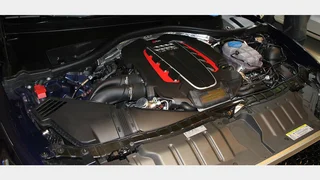
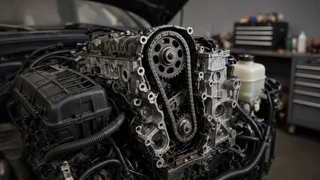
Audi 2.0 TFSI Timing Chain

The Audi 2.0 TFSI engine timing chain is a critical internal component that synchronizes the crankshaft and camshafts, ensuring the valves open and close at the correct moments in the combustion cycle. Unlike a rubber timing belt, this metal chain lives inside the engine and relies on engine oil for lubrication. Understanding the system matters because wear, tensioner faults, or oil-pressure issues can push the engine out of time, leading to rough running or severe mechanical damage. The complete structure includes the chain itself, guides, tensioners, and sprockets, all of which work together under heat and load. Readers researching the Audi 2.0 TFSI Timing Chain often seek an overview of how the system operates and where its common weaknesses appear.
Essential answer
The Audi 2.0 TFSI timing chain connects the crankshaft to the intake and exhaust camshafts so that valve events stay locked to piston position. In a direct-injection turbocharged engine, that synchronization also interacts with high-pressure fuel delivery and boost. When the chain, guides, or hydraulic tensioner wear, small deviations in cam timing can change combustion behavior. Symptoms may include an extended rattle on cold startup, stored diagnostic codes for camshaft or crankshaft correlation, and reduced driveability. The essential answer is that this is a service-relevant wear system, not merely a replace-at-interval belt, and its condition depends heavily on oil quality and operating history.
Because timing-chain problems often develop gradually, an owner may notice changing engine noise before a hard failure. The relevant meaning of the query involves recognizing how the engine configuration influences chain routing and tensioner behavior. A vehicle with a complete service history tends to show more predictable wear patterns, while neglected oil maintenance can accelerate chain stretch and guide wear. Inspection is the only reliable way to determine actual condition, since diagnostic codes can point toward timing faults without naming the failed component. Manufacturer specifications for oil, chain tensioner updates, and installed position are important when evaluating whether correction is needed, but a fault code remains evidence to interpret rather than proof that the chain itself has failed.