ATV annual preventative maintenance schedule
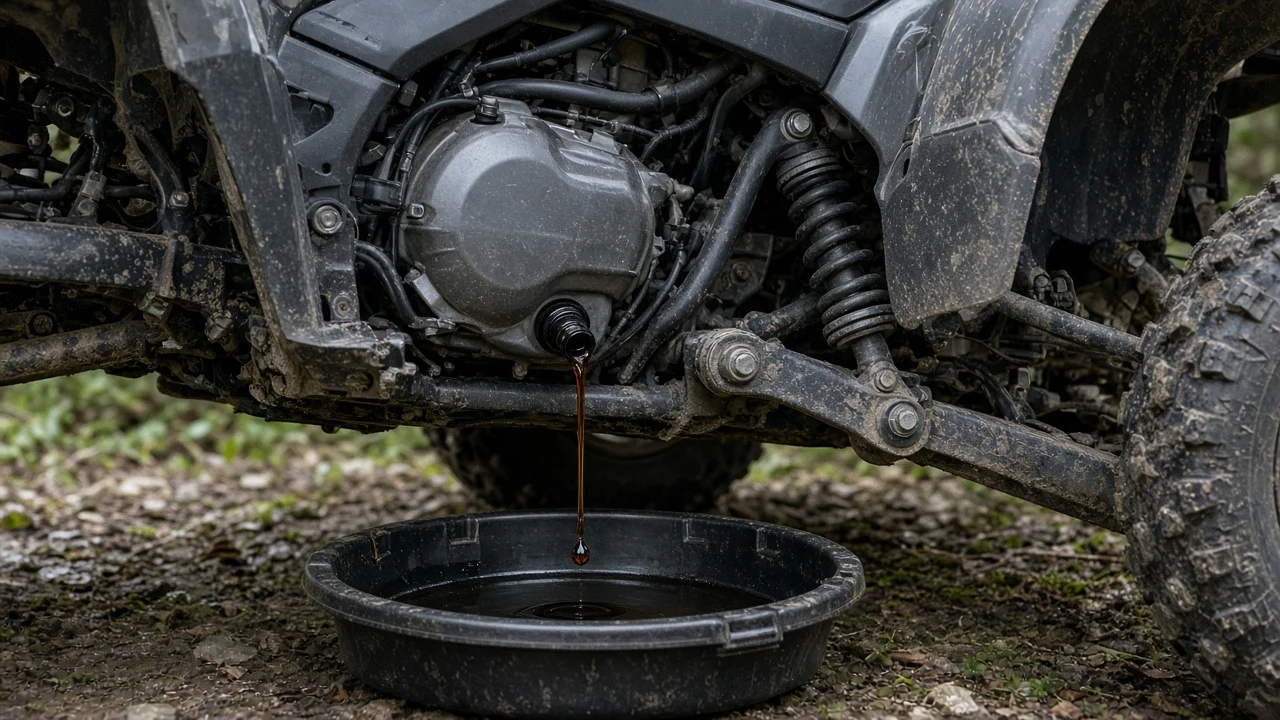
An ATV annual maintenance schedule turns routine care into a planned calendar of inspections, lubrication, adjustments and fluid checks. Rather than reacting to breakdowns, owners use this yearly practice to catch wear before a ride becomes stranded on a trail. The right plan considers seasonal temperature swings, dusty or muddy conditions, storage periods and the machine’s accumulated use. Because ATVs experience vibration, water crossings and heavy chassis loads, even machines that sit for months can develop corrosion, dried seals or stale fuel. Building a clear preventative maintenance habit preserves predictable starting, steering and braking while reducing avoidable repairs.
Essential answer
An annual service interval is a practical backbone for any ATV ownership plan. It combines calendar-based attention with the broader service schedule in the owner’s manual, which typically adjusts for time and mileage or hours of operation. The yearly pass should include fluid condition checks, chassis lubrication, fastener torque inspection, tire pressure and tread review, battery care, air filter service and a test of controls and lights. These scheduled service items do more than extend component life; they reveal small leaks, loose pivots or cracking rubber before those conditions affect ride quality or safety.
How an owner rides changes how that maintenance plan should be applied. Mud, water, sand, heavy cargo, plowing or aggressive trail use create harsh operating conditions that may shorten effective intervals, while light recreational use in dry climates may allow a more relaxed rhythm. A written maintenance record helps track what was done and when, making future diagnostics easier. The manufacturer schedule remains the starting point, but the annual checkpoint is a sensible minimum that organizes care around seasons and storage. Confirming the correct fluids, torque values and filter types for a specific model avoids assumptions.