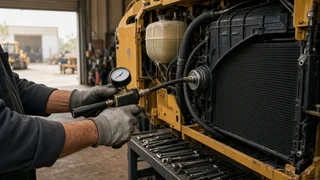
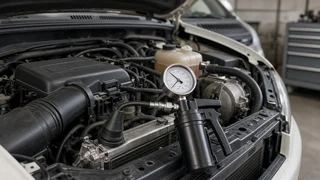
ATD Cooling System Pressure Tester
A cooling system that cannot hold pressure turns routine overheating symptoms into a frustrating guessing game. When the engine warms up, the expanding coolant raises circuit pressure so the boiling point climbs and the radiator can reject heat efficiently. A weak pressure cap, porous hose, heater core seep, or internal leak can release that pressure before it reaches the designed range. The ATD Cooling System Pressure Tester is intended to let a buyer or technician apply controlled air pressure to a cold cooling circuit and watch whether the needle holds steady. That simple observation helps separate external leaks, slow seepage, and parts that are actually sealing well before expensive components are replaced.
The direct answer
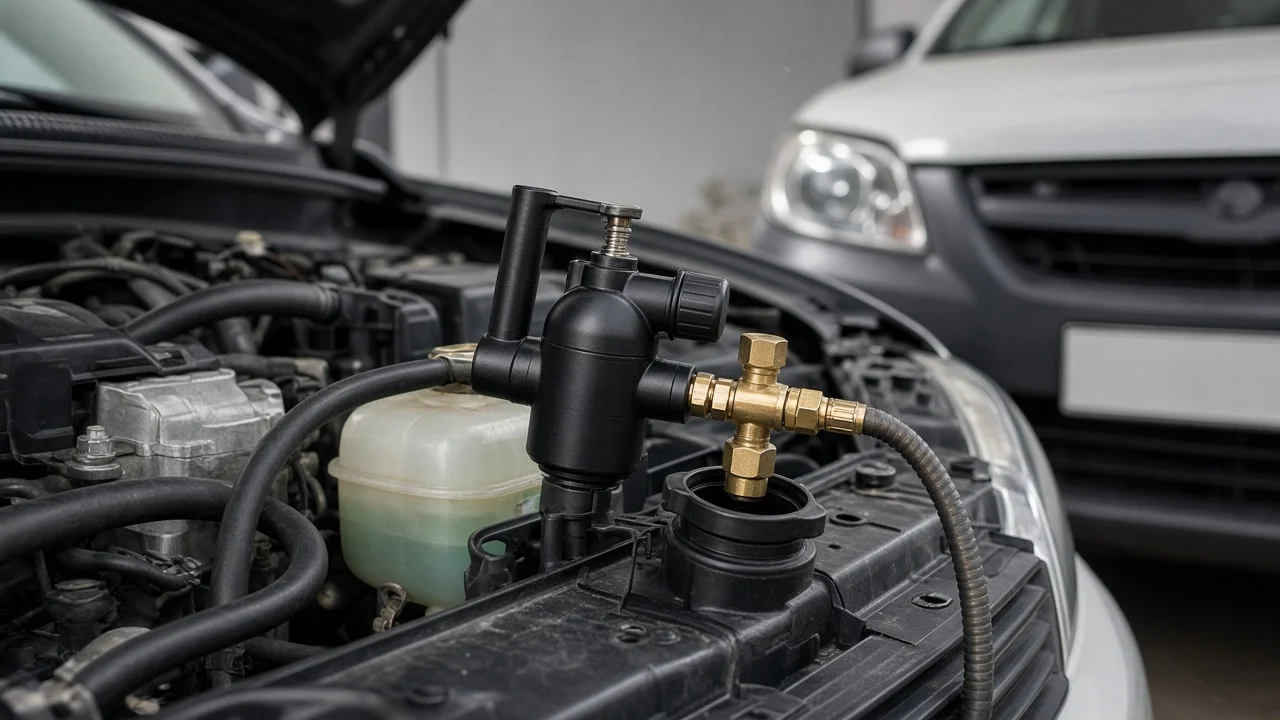
The immediate question is what an ATD Cooling System Pressure Tester can actually tell you during purchase research or diagnosis. It is a hand-operated pressure pump and gauge assembly designed to connect to a radiator or pressure cap neck and pressurize a cold cooling circuit. The basic test is observational: pump the system to a safe level below the cap rating, then watch the gauge. A needle that falls steadily points toward a leak; a stable reading suggests the sealed portion is holding. The tool does not identify a failed part by itself, but it narrows the area that needs closer inspection.
When choosing this style of tester, the most useful feature to confirm is adapter coverage. Cooling circuits vary by pressure cap design, filler neck diameter, and whether the cap is a conventional radiator cap or a separate expansion tank cap. A tester that cannot seal the neck securely will create false leak indications. The second consideration is gauge readability in the working range, because small movements can indicate a slow leak or an air pocket compressing. The tool is a diagnostic aid, so its value depends on being able to repeat the test reliably and compare readings after a repair.