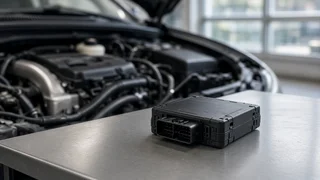
Astro Safari ignition control module
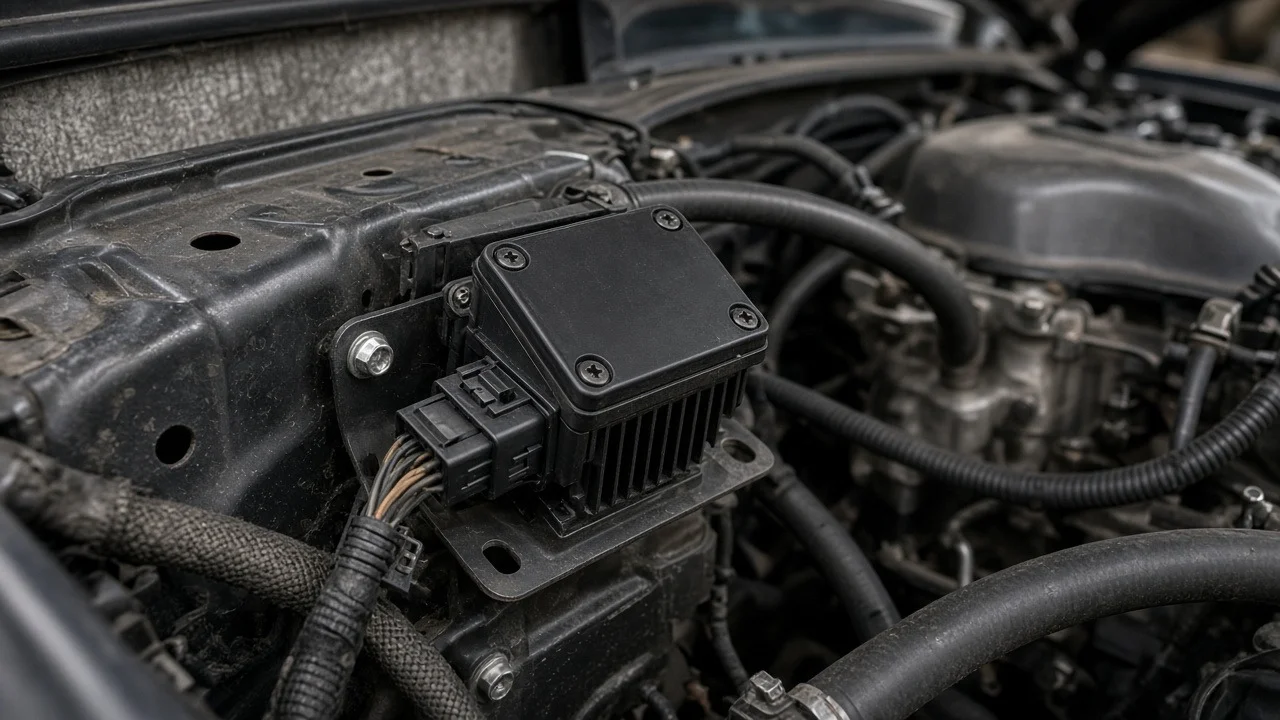
A no-start or stalling condition on a Chevrolet Astro or GMC Safari often leads owners toward the ignition control module, because this component interprets distributor signals and switches the coil at the right moment. Before buying a replacement, the cranking behavior, spark output, and baseline battery state should be checked. Many weak-spark complaints instead trace to the starter circuit, ignition switch, or low cranking speed. This guide explains what the module does and what to verify before ordering.
The direct answer
An Astro Safari ignition control module should be considered when the engine cranks normally but produces weak or no spark, or when the vehicle stalls hot and restarts after cooling. The module interprets a reference signal from the distributor and controls coil dwell and firing. Before replacement, confirm that battery state of charge, cranking speed, and the ignition switch are supplying proper voltage during start and run.
The part is easiest to evaluate through a disciplined sequence of diagnostic checks rather than by symptom alone. A failed module often acts like a bad coil or pickup, so checking for injector pulse and fuel delivery alongside spark helps rule out a fueling fault. If the engine spins freely with good cranking speed but has no spark at multiple plug wires, the module becomes a central suspect.
Vehicle age, heat exposure, and wiring condition materially change the likely cause. Module failures on these vans may appear after warm soak, when thermal expansion disturbs internal connections. By contrast, a cold no-start is more commonly a weak battery or a faulty ignition switch. Knowing whether the fault appears hot or cold helps an owner decide whether to replace the module or continue testing the primary ignition circuit.
Compatibility also matters when purchasing. The same platform used several ignition configurations over its production run, and a module that fits an early distributor may not suit a later model. Provide the year, engine, and original part number when possible. This avoids the common mistake of purchasing a part that bolts in but delivers the wrong timing signal profile or has an incompatible electrical connector.