Are Home EV Chargers Waterproof? What Weather Ratings Really Mean
The short answer
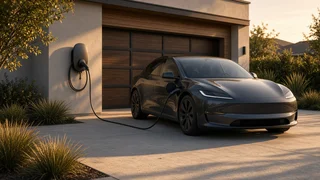
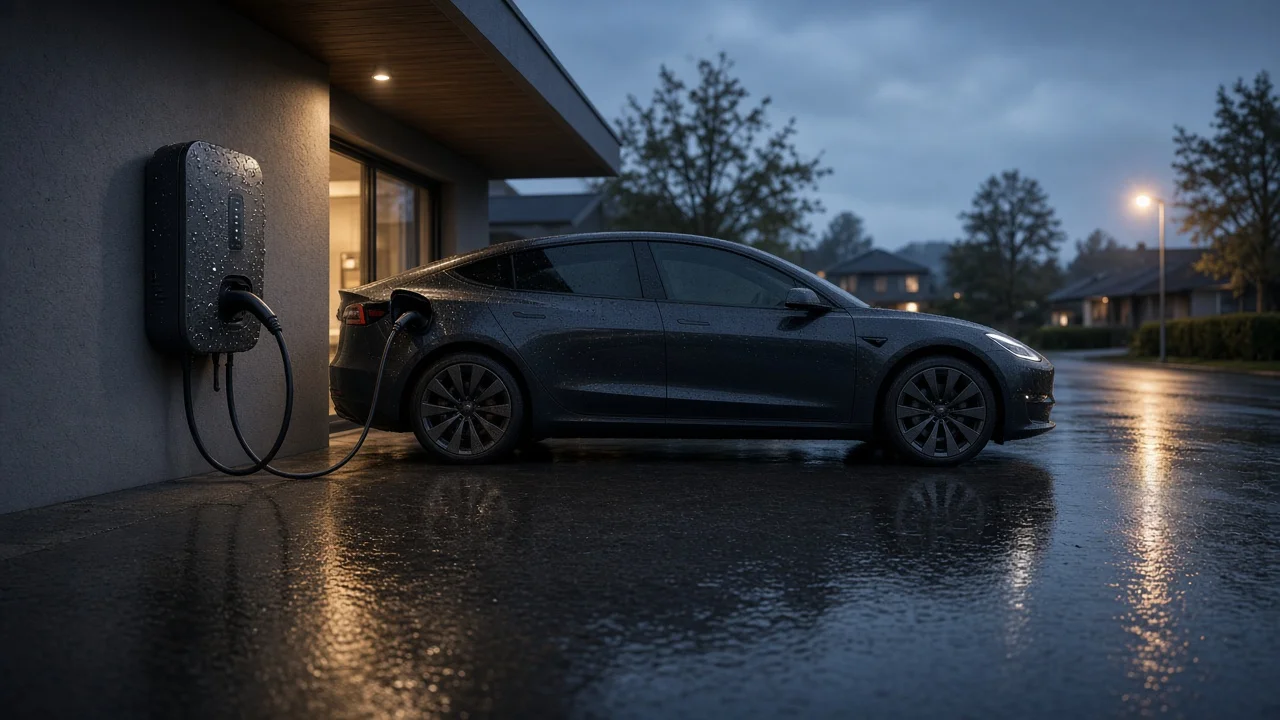
Most home EV chargers sold for outdoor installation are weather-resistant, not waterproof in the everyday sense of the word. An outdoor-rated unit is built to handle rain, snow, splashing and dust while mounted and used as intended. It is not designed to be submerged, sit in standing floodwater or have water forced into an open connector. Some chargers are rated only for indoor use, such as in a closed garage, and should not be installed where they are exposed to the elements.
The material qualification is the rating. Whether a specific charger can live outside depends on its ingress protection (IP) rating or its NEMA enclosure type, both stated in the product specifications, along with its safety listing and how it is installed. Water resistance also differs between parts of the system: the wall unit, the cable, the connector handle and, for plug-in models, the outlet it plugs into.
What a home EV charger actually is
Strictly speaking, the box on the wall is electric vehicle supply equipment (EVSE). The charger that converts AC power to DC for the battery sits inside the car. The EVSE supplies power safely, communicates with the vehicle and switches the supply on and off. That matters for weather questions because the EVSE is designed so the connector pins carry no power until the car confirms it is connected and ready.
Home equipment generally falls into two groups:
Level 2 wall units: hardwired or plugged into a 240-volt outlet, and the most common choice for outdoor driveways, carports and shared parking areas. Portable or mobile cords: often supplied with a vehicle or sold separately, they plug into a standard or 240-volt outlet and include an inline control box. Their weather ratings vary widely, and the outlet they plug into needs its own outdoor protection.
How to read weather ratings
Two rating systems appear on chargers sold in the US. Manufacturers may list one or both.
IP ratings
The IP code, defined by the international standard IEC 60529, uses two digits. The first describes protection against solid particles such as dust. The second describes protection against water. A higher second digit means greater water protection, but each level describes a specific test condition, not general waterproofing.
Rating | Solids | Water protection; IP54 | Dust-protected | Splashing water from any direction; IP55 | Dust-protected | Low-pressure water jets; IP65 | Dust-tight | Low-pressure water jets; IP66 | Dust-tight | Powerful water jets; IP67 | Dust-tight | Temporary immersion under defined conditions
Outdoor home chargers commonly carry ratings in the IP54 to IP66 range, though this varies by model and sometimes by component. A rating that covers the wall unit does not automatically cover the connector handle, so check whether the specifications list them separately.
NEMA enclosure types
NEMA enclosure types are more common on North American electrical equipment. They describe the conditions an enclosure is built to withstand rather than a pass/fail water test alone.
NEMA Type 3R: outdoor use; protects against rain, sleet and damage from ice forming on the enclosure. NEMA Type 4: indoor or outdoor; adds protection against hose-directed water and windblown dust. NEMA Type 4X: everything Type 4 covers, plus corrosion resistance, which is useful near the coast or where road salt is heavy.
Neither system directly converts into the other, so compare ratings within the same system. Either way, the rating applies only when the unit is mounted as the manufacturer specifies, with seals intact and the connector holstered when not in use.
Safety listing
Beyond weather ratings, look for certification by a nationally recognized testing laboratory, such as a UL or ETL mark. EVSE safety standards cover personnel protection, including a built-in ground-fault protection function often called a charge circuit interrupting device. That protection is a key reason why charging in wet weather is considered safe when the equipment is listed and properly installed.
Is it safe to charge in the rain or snow?
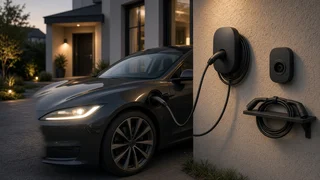
Yes, with listed, outdoor-rated equipment in good condition. EV charging systems are designed for routine outdoor use, much like public chargers that operate in all weather. Several design features work together:
The connector stays de-energized until the vehicle and EVSE complete a communication handshake. Ground-fault protection cuts power if it detects current leaking where it should not. Outdoor enclosures, gaskets and connector designs keep normal precipitation away from live parts.
Sensible habits still matter. Shake off or dry a connector that has been sitting in a puddle or packed with snow before plugging in. Keep the handle holstered or capped between sessions. Do not use equipment with a cracked housing, damaged cable insulation or a connector that no longer latches properly.
Where weather resistance stops
A weather rating does not cover every way water can reach electrical equipment. The common limits are:
Flooding: no typical home charger is meant to operate submerged. If a unit or its outlet has been under water, leave it off and have a qualified electrician inspect it before use. Pressure washing: spraying the unit or connector directly with a pressure washer can exceed what many ratings cover. Pooling and low mounting: a unit mounted where water collects, or a cable left lying in a drainage path, faces conditions beyond normal rain exposure. Damage and wear: cracked housings, worn seals and frayed cables compromise protection regardless of the original rating. Unprotected outlets: a plug-in charger can only be as weather-resistant as the receptacle it connects to.
Plug-in units and outdoor outlets
Plug-in Level 2 units and portable cords add a weak point: the outlet. In wet locations, electrical codes generally call for a weather-resistant receptacle with a cover that stays closed while a plug is inserted, often called an in-use or bubble cover. Some plug-in chargers are rated for outdoor mounting while the manufacturer still restricts outdoor plug-in installation or recommends hardwiring for exposed sites. Read the installation conditions, not just the enclosure rating.
Portable cords deserve extra caution. Their inline control boxes may not carry high water ratings and are often left lying on the ground. Keeping the box off the pavement and away from puddles reduces risk. Extension cords are generally discouraged by manufacturers and are not a safe workaround for an outlet that is too far away.
Shared driveways, condos and apartment parking
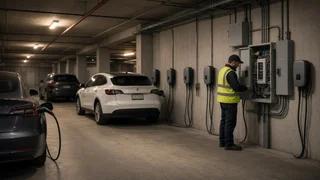
Shared residential settings tend to expose chargers more than a private garage does. Open parking lots, carports and shared driveways bring direct weather, sprinkler overspray, snow-clearing equipment and heavier foot and vehicle traffic. A few points carry more weight here:
Choose a stronger enclosure rating for fully exposed spots, such as NEMA 4 or IP65 and above, and consider corrosion resistance near the coast or in areas with heavy road salt. Prefer hardwired installation in common areas, since it removes the exposed plug-and-outlet connection. Use pedestals or wall positions that keep the unit above splash and snowbank height and away from drainage paths. Plan cable management with holsters, retractors or hooks so cables do not lie in puddles or get crushed by plows and tires. Clarify responsibility in advance: who maintains the unit, who inspects it after storms or flooding, and how residents report damage. Check association or landlord rules, which may specify approved equipment, installers or mounting locations for shared areas.
How to check a specific charger
For any model you are considering, look at four things in its specifications and installation guide:
Whether it is rated for indoor use only or for indoor and outdoor use. Its IP rating or NEMA enclosure type, and whether the connector is rated separately. Its safety listing from a recognized testing laboratory. Any conditions on outdoor installation, such as hardwiring requirements, mounting height or orientation, and operating temperature range.
Installation also affects how well a charger holds up. A licensed electrician can confirm that circuit protection, conduit, fittings and the outlet, if one is used, suit a wet location under the codes your area has adopted.
Bottom line
Outdoor-rated home EV chargers are built to keep working, and to stay safe, in rain and snow, but they are weather-resistant rather than waterproof. Match the enclosure rating to how exposed the spot really is, favor hardwired installation in shared or open areas, keep connectors holstered and off the ground, and treat any unit that has been flooded or damaged as out of service until it has been inspected.