Arduino Automotive Dashboard
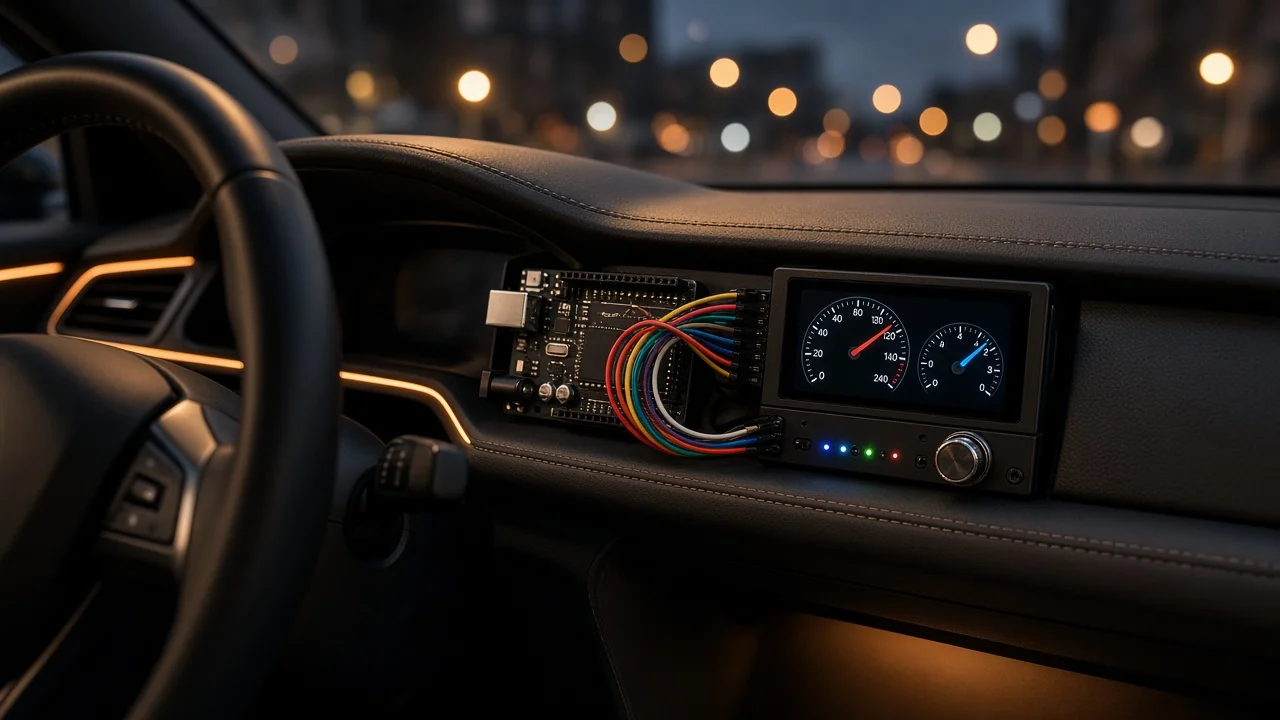
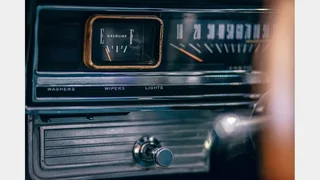
An Arduino automotive dashboard is a do-it-yourself digital instrument display that reads vehicle and sensor data, then presents speed, temperature, voltage, or warning states on a screen. Unlike a factory instrument cluster, the layout, graphics, and alerts are defined by the builder. This makes it useful for learning vehicle electronics, restoring older cars, or adding a custom gauge view. The result should be understood as an experimental display project, not a replacement for a certified safety system. Its value depends on careful signal selection, clean wiring, and honest interpretation of the data shown.
Essential answer
An Arduino-based dashboard is best understood as a programmable display layer rather than a complete vehicle computer. The microcontroller receives inputs from sensors already present in the car, such as coolant temperature or road speed signals, and converts them into readable gauges and illuminated warning indicators. The essential scope is therefore custom visualization and monitoring. It does not by itself repair a faulty instrument cluster unless the builder correctly maps the vehicle’s signals, conditions them for the Arduino, and designs a reliable screen interface. The useful result is a flexible, driver-focused status display for a specific vehicle.
This approach differs from a factory cluster because the operating status shown on screen depends on the builder’s code and signal interpretation. A diagnostic check message, an analog needle animation, or a low-oil-pressure alert will only be trustworthy when the triggering condition is properly defined. The owner manual remains important because it identifies which signals are conventional indicator outputs and which require additional interface hardware. Without that vehicle-specific confirmation, the dashboard may display plausible but incorrect information. Anyone planning one should treat it as an instrumentation project that must be calibrated and verified against known vehicle behavior before relying on it while driving.