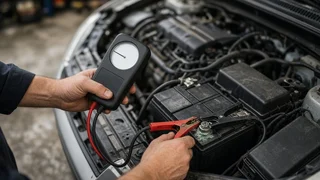
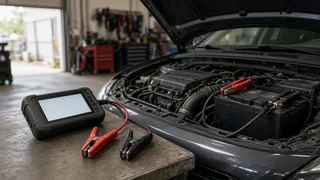
Ancel BST200 Battery Tester
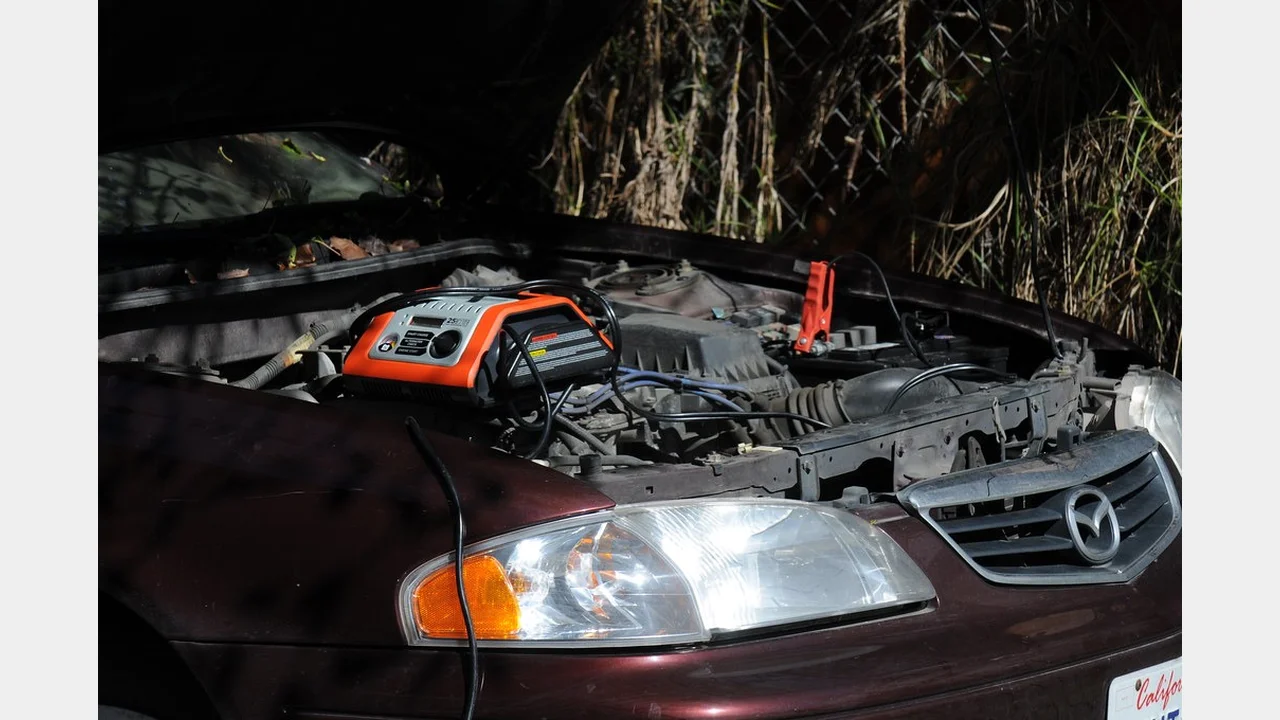
Choosing the right Ancel BST200 car battery load tester means knowing what the tool can actually tell you about a battery, a charging system, and a starting circuit. It is not only for confirming a dead battery. The unit helps you interpret system voltage, spot a voltage drop at battery terminals, and decide whether weak cranking points to the battery or another electrical fault. Before buying, consider whether its load-testing method, display, and connection style match the vehicles you service and the kind of diagnosis you plan to do.
The direct answer
The Ancel BST200 is best understood as a handheld battery load tester intended to place a controlled demand on a battery and show whether the battery holds voltage under that stress. The immediate answer for most buyers is that it fits basic passenger-car and light-truck diagnosis when you need a quick check rather than a full conductance or lab-grade analysis. The measured demand centers on its role as a car battery load tester, so confirm that the battery type and system voltage match the tester before purchase.
A battery that reads above about twelve and a half volts at rest may still fail when a load is applied. The BST200 class of tester creates that loaded condition and displays the resulting voltage, helping distinguish a surface-charged battery from one with enough reserve capacity. Use it to check clean battery terminals and stable connections first, because corrosion or a loose clamp can create a voltage drop that makes a good battery look weak. The result should guide replacement or further charging output checks, not replace a full starting and charging diagnosis on every vehicle.