AM30795 tire valve stem
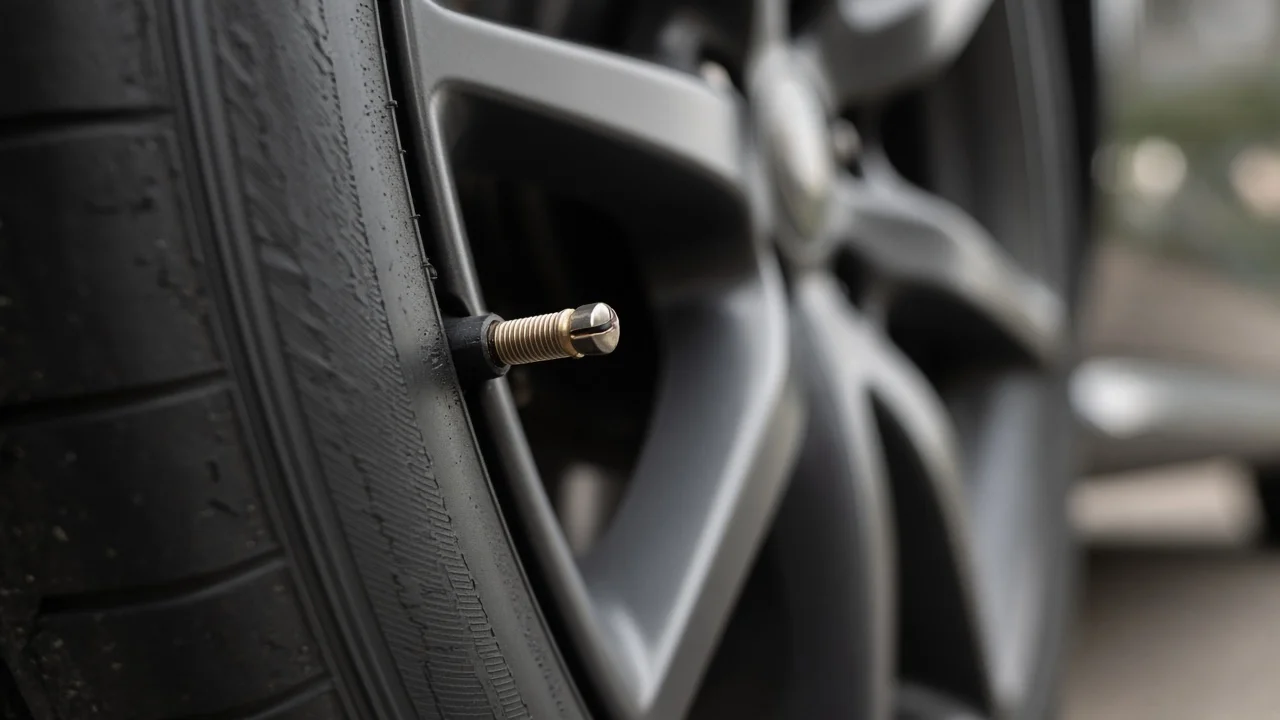
When a tire loses air slowly or a valve appears cracked, the search often narrows to an alphanumeric label like AM30795 tire valve stem. Part numbers can be confusing because similar-looking stems fit different wheel profiles, materials, and inflation-monitor setups. Understanding what this identifier usually represents helps you distinguish a routine replacement item from a model-specific component. A careful look at construction, sealing surfaces, and the matching wheel can prevent ordering a stem that physically threads in yet leaks or conflicts with the sensor. The details below explain the practical meaning of that search and what to check before buying.
Essential answer
The AM30795 tire valve stem is best understood as a parts-catalog identifier rather than a universal specification or a guarantee of one exact design. Without a manufacturer catalog entry, the number alone does not prove whether it is a snap-in rubber stem, a clamp-in metal stem, or a sensor-mounted assembly. It functions like a reference used by a supplier to match a valve to a wheel application, so the same code should not be assumed to fit every rim or every tire pressure monitoring system. Treat it as a starting point that becomes useful only when checked against the wheel material, valve hole diameter, and the vehicle’s sensor design.
The practical difference matters because a valve stem is not simply an air seal. It manages centrifugal load, rim corrosion, sensor attachment, and the repeated flexing created by tire sidewall movement. A snap-in rubber stem seals by pulling a molded base against the rim from the inside, while a clamp-in metal stem uses a nut and grommet to compress against the hole. If AM30795 leads to one style in one listing and another style elsewhere, the relevant meaning is that catalog labels can overlap or be reused. Confirm the stem’s physical style and dimensions before treating the number as proof of a specific replacement path.