Aisin Torque Converter Automatic Transmission
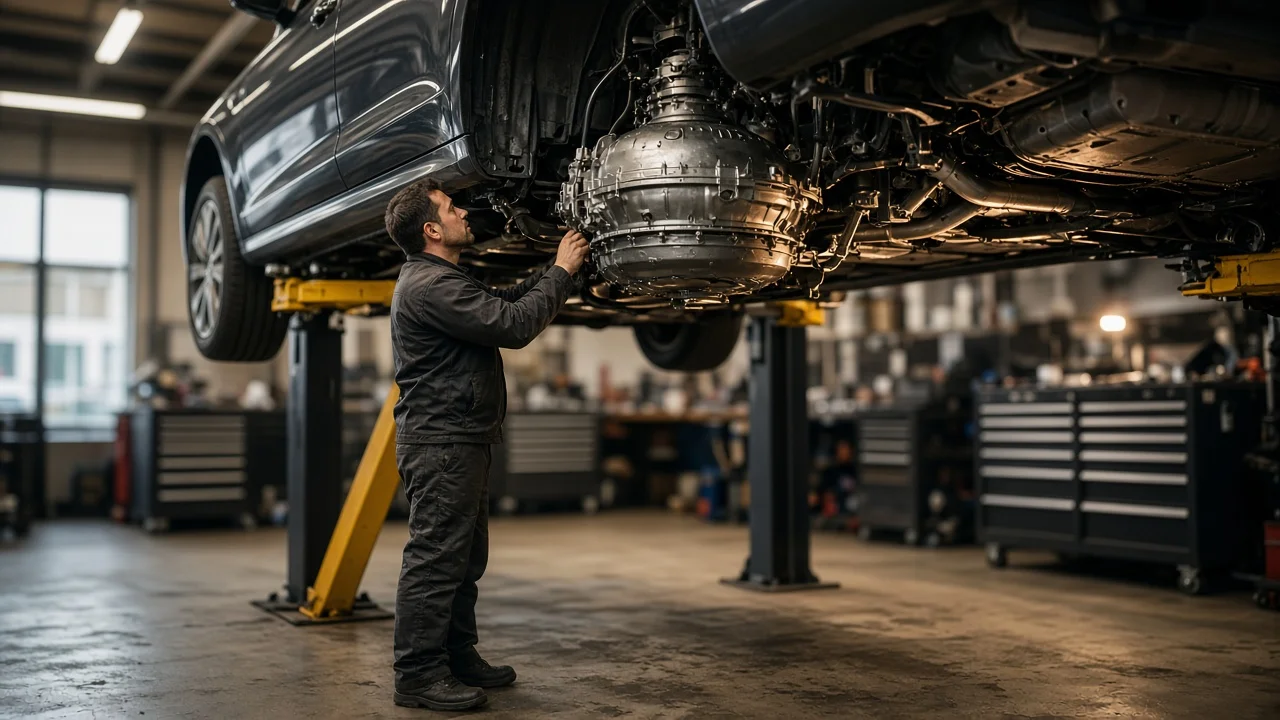
The Aisin torque converter automatic transmission appears across many light-duty vehicles because it packages fluid coupling, planetary gearing, and hydraulic control into one widely used transaxle or longitudinal unit. Readers researching this component often want to know how a fluid-filled torque converter replaces a clutch, how shift behavior should feel, and why diagnostic codes or fluid condition matter before choosing repair options. The transmission type is not a single design; fitment, service history, and vehicle-specific calibration affect operation, so general principles should be checked against the exact model.
Essential answer
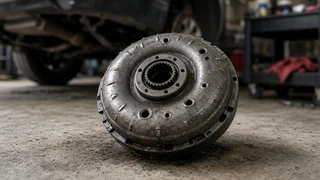
A torque converter automatic transmission uses an impeller, turbine, and stator inside a fluid-filled housing to transfer engine torque while allowing the engine to keep running at a stop. The Aisin family applies this principle across several front- and rear-drive platforms, so the essential answer is that the term describes a conventional automatic using hydraulic coupling rather than a friction clutch or dual-clutch pack. Shift behavior, fluid specification, and diagnostic codes therefore depend on the specific unit and its control strategy.
Because Aisin supplies transmissions to multiple manufacturers, fitment is the first qualification. The same general design may be calibrated differently for a small crossover, a sedan, or a light truck, altering shift timing and torque-converter lockup feel. A harsh shift or flared upshift is not automatically a failed unit; it can reflect degraded fluid, a learned adaptation, or a diagnostic code pointing to a solenoid or sensor. Service history helps distinguish normal wear from a developing hydraulic fault.