AiM steering angle sensor for data logging
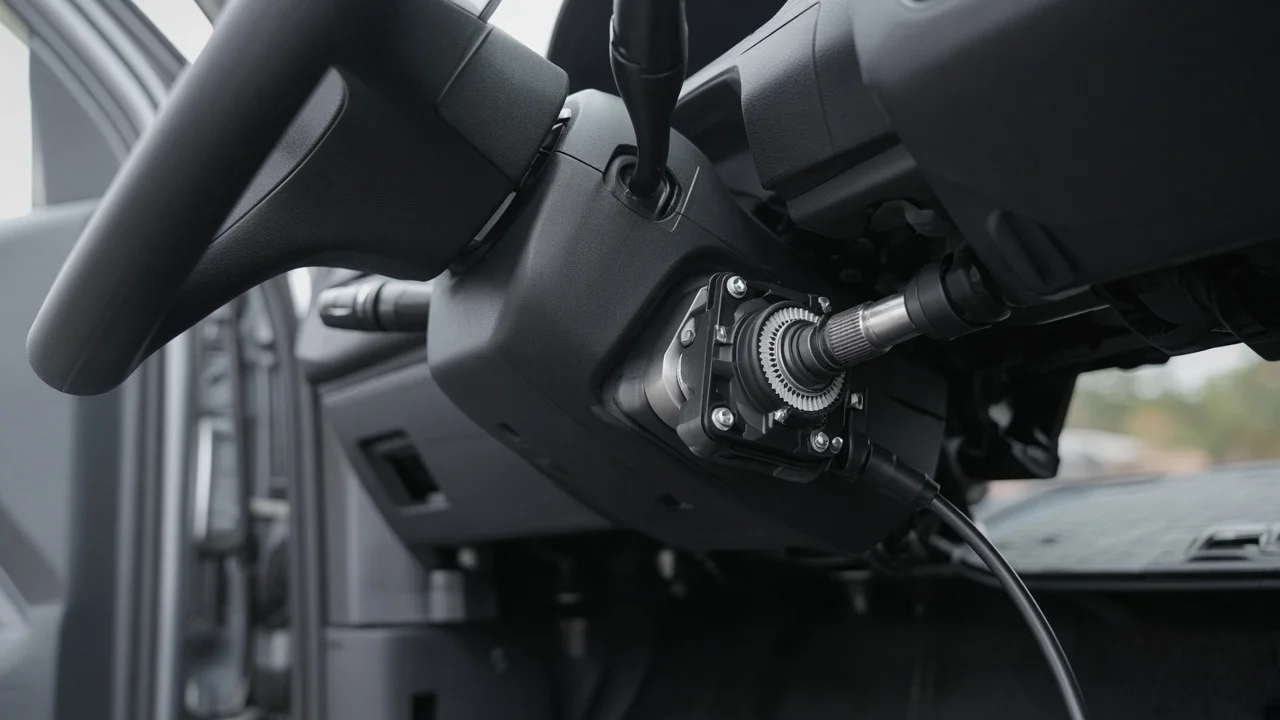
An AiM steering angle sensor turns steering wheel position into data a logger can record, making it useful for driver analysis and vehicle setup work. Choosing one means checking how it sends its signal, how it mounts, and whether it will stay consistent lap after lap. The right sensor can reveal understeer, oversteer, and steering corrections that lap time or video alone may hide. This article explains what to look for before buying and how to avoid a sensor that creates noisy or misleading channels in your logged data.
The direct answer
For most data logging uses, the practical choice is a sensor with a robust mounting design and a connection method your AiM logger already supports. A non-contact sensing element is generally preferred because it avoids the wear and signal dropouts that can occur with older resistive track designs. Before buying, confirm the mechanical range covers the steering travel you actually use and that the output resolution is fine enough to show small mid-corner corrections. These two factors matter more than absolute accuracy in many track-day installations.
The sensor must be mounted so it follows steering shaft rotation without binding or free play. Any looseness in the linkage shows up as a flat spot or jump in the steering trace, which makes driver inputs look larger than they were. Also check that the device will not hit nearby panels or wiring at full lock. If the chosen sensor includes a calibration routine, plan to perform it after installation and again if the steering wheel, rack, or sensor bracket is ever removed.