Aeromotive In-Tank Fuel Pump Kit
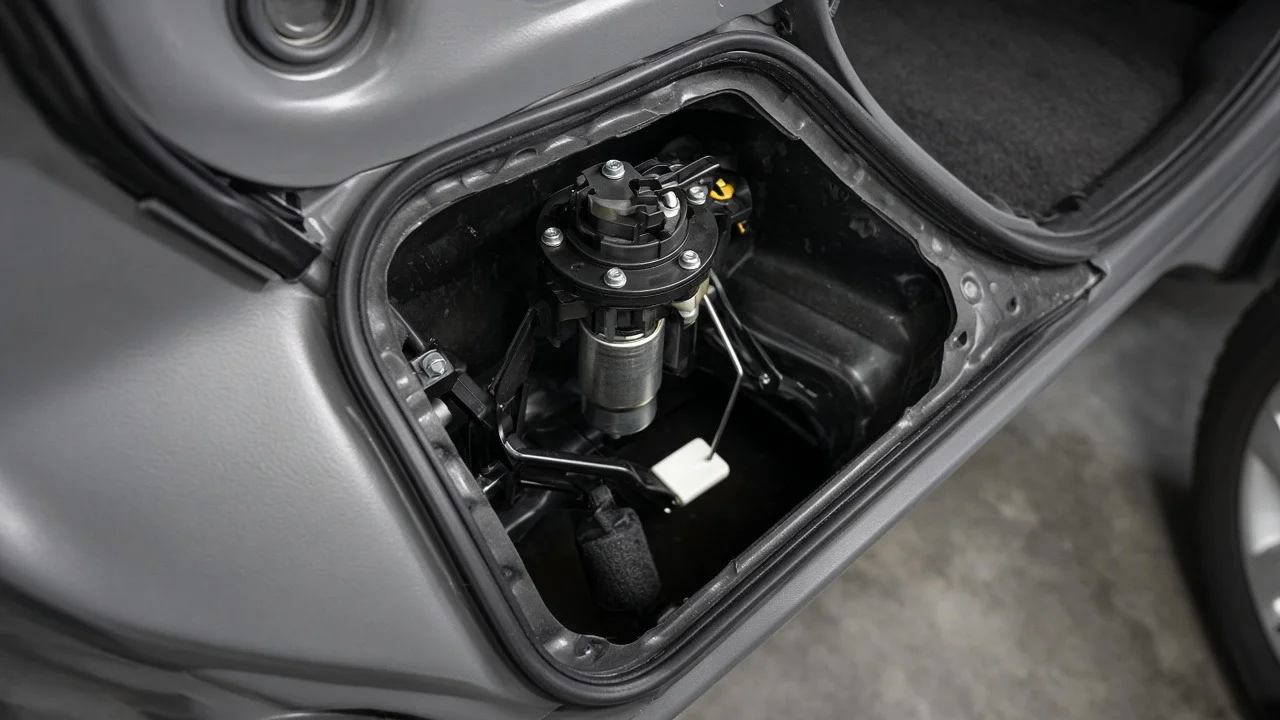
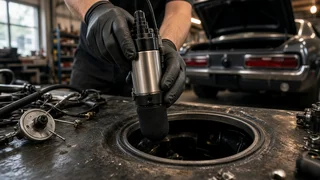
Choosing an in-tank fuel pump kit means matching the pump's flow behavior to the engine's actual demand, not simply selecting the largest assembly that fits the tank. An Aeromotive in-tank fuel pump kit is typically considered when a modified or higher-output engine needs more fuel delivery than the stock module can supply. The installation moves the pump into the fuel reservoir where liquid fuel helps cool the motor and quiets operation, while the surrounding fuel absorbs some of the mechanical noise. Readers comparing an Aeromotive fuel pump in tank should focus on fitment, electrical supply, fuel pressure stability, and whether the included hardware suits the existing fuel system.
The direct answer
An Aeromotive in-tank fuel pump kit is a direct upgrade path when the original sending unit cannot maintain adequate fuel pressure at higher engine load. The immediate answer is that this style of kit can support greater fuel volume, but only if the rest of the system is compatible. Fuel pressure at the injector depends on pump output, line size, the fuel filter condition, and the regulator's ability to return or bypass excess flow. A stronger pump alone does not fix a restricted filter or undersized wiring. The purchase decision should therefore begin with confirming that the tank opening, mounting flange, and electrical connector match the vehicle.
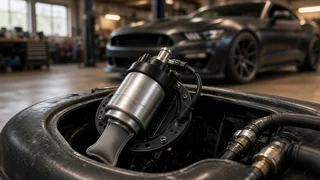
The term "aeromotive in tank fuel pump kit" generally refers to a complete package intended to replace or supplement the factory in-tank module. For many buyers, the practical question is whether the kit includes the pump, mounting hardware, pre-filter, and any adapter needed for the specific tank depth. Because fuel trim corrections can hide a mild delivery problem at idle, builders often notice the need only after acceleration causes pressure to fall. In that case, an in-tank arrangement can restore steady delivery while keeping the pump submerged and cooler. Still, manufacturer-dependent code behavior and vehicle-specific module programming mean compatibility claims should be verified before ordering.
A common buyer mistake is assuming that every Aeromotive in-tank fuel pump uses the same mounting pattern. The pump assembly may require a different return line arrangement, fuel level sender placement, or filler neck clearance. Before purchase, compare the existing module's depth and opening diameter with the kit's intended installation range. The goal is a leak-checked assembly that holds pressure after shutdown and delivers consistent volume during high-demand operation. Choosing a kit with the correct inlet sock and outlet fitting reduces the chance of introducing air leaks at the tank flange, which can produce symptoms that resemble injector or fuel pressure problems.
For a street vehicle with a stock engine configuration, a high-flow in-tank fuel pump kit may deliver more volume than the regulator and return line can handle at idle. That can raise base fuel pressure slightly or make the pump run hotter if fuel is constantly circulated. A practical next step is to confirm whether the existing fuel pressure regulator, fuel filter, and fuel lines are sized for the intended output. If those parts remain stock, the improvement may be limited. When the system is properly matched, this type of kit can be a clean way to package serious fuel volume inside the tank without cutting the body or mounting an external pump.
The direct answer to the immediate question is conditional: the kit is a suitable upgrade when it matches the tank, electrical circuit, and fuel system demand. It is not a universal replacement part, and it should not be ordered based solely on advertised flow figures. Because fault codes related to fuel delivery may reflect pressure loss, pump circuit resistance, or sensor readings rather than a failed pump, diagnosis should precede replacement. A well-chosen in-tank fuel pump kit preserves the factory packaging advantage while supporting greater volume, but the correct kit depends on the vehicle's specific tank and module design.