AEM 340LPH High Flow In-Tank Fuel Pump
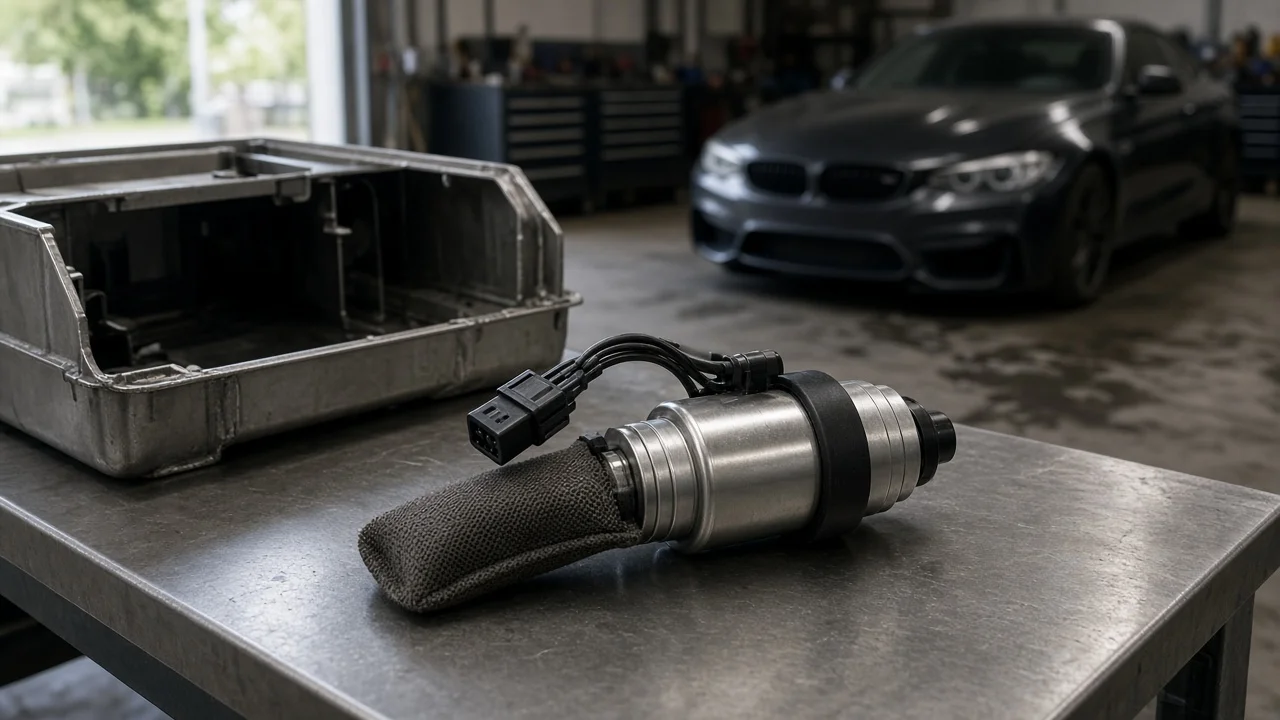
Choosing a high-flow in-tank fuel pump means matching the pump's delivery capability to your fuel system's actual demand, not simply installing the largest available part. The AEM 340LPH High Flow In-Tank Fuel Pump is typically considered when engine modifications, forced induction, or ethanol-based fuels raise the volume of fuel required beyond what a stock pump can reliably supply. Before purchase, evaluate fuel pressure behavior, injector demand, existing wiring, filtration, and the installation kit details. A pump that moves more fuel can overwhelm a fixed-pressure regulator or expose restrictions downstream, so compatibility with return-style or returnless configurations matters.
The direct answer
The AEM 340LPH High Flow In-Tank Fuel Pump is generally a fitment-oriented purchase decision for vehicles that need more fuel delivery than the original in-tank unit provides. The immediate question is whether your engine's fuel demand justifies a high-flow pump and whether the pump module, strainer, and electrical connector in the available kit match your tank and sender assembly. Because it is an in-tank design, it should also be evaluated for continuous operation at your target fuel pressure and for compatibility with gasoline or ethanol blends in your fuel system.
A practical first step is to compare the pump's inlet and outlet positions, overall body dimensions, and harness pigtail with the existing module. If the selected kit retains the factory jet pump or siphon arrangement, verify that the replacement does not disrupt transfer from the opposite tank lobe. Condition matters as well: a lower-volume pump may be unsuitable if fuel trims already indicate the injectors are compensating for reduced delivery under load. In that context, the 340LPH rating is a flow capacity, not an automatic diagnosis, and the rest of the system must be able to use the additional volume without creating excessive fuel pressure or return-line limitations.