ABS Light on the Dashboard: What It Means and What to Do
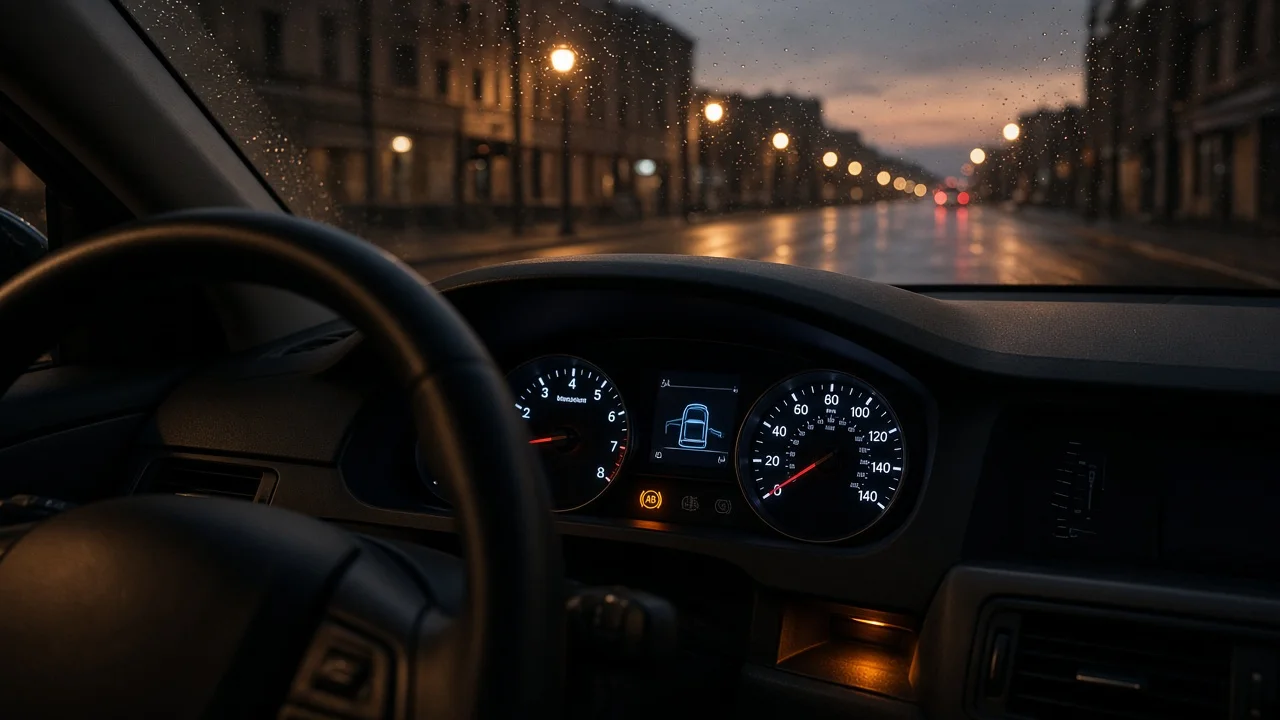
The ABS light on a car dashboard is the warning lamp for the anti-lock braking system. When it stays lit after the engine starts, the vehicle's computer has detected a fault in that system and has usually switched anti-lock function off. In most cases your ordinary brakes still work, but the wheels can lock under hard braking the way they did on cars built before ABS. The light does not mean the car is about to lose its brakes. The exception is when a red brake warning light comes on at the same time, which can point to a problem with the basic hydraulic brakes and calls for more caution.
What the ABS Warning Light Looks Like
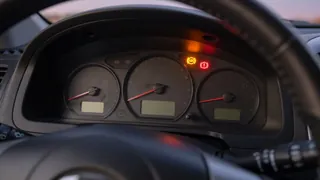
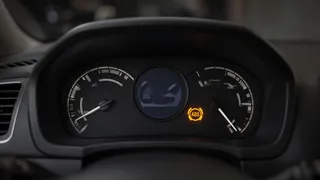
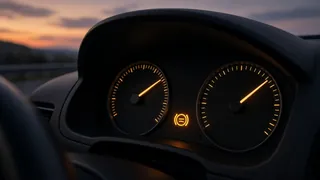
On most vehicles sold in the US, the lamp shows the letters ABS inside a circle, often with curved lines on each side. It is usually amber or yellow. Amber dashboard lights generally mean something needs attention soon rather than an emergency. The exact symbol, color and placement can vary by manufacturer, model year and instrument cluster design, so your owner's manual remains the authority for your specific vehicle.
What Anti-Lock Brakes Do
Anti-lock brakes prevent the wheels from locking and skidding during hard or slippery-surface braking. A sensor at each wheel, or on some older designs at the axle, reports wheel rotation speed to an ABS control module. If one wheel is slowing much faster than the others, which signals an impending lockup, the module rapidly reduces and reapplies brake pressure to that wheel through a hydraulic unit. This lets the tire keep grip so you can still steer while braking hard. The pulsing or buzzing you may feel through the brake pedal during an emergency stop is the system working, not a fault.
On many modern cars, the same wheel speed sensors and hydraulic unit also support traction control and electronic stability control. That is why an ABS fault often brings on the traction control or stability control light at the same time.
Normal Behavior at Startup
It is normal for the ABS light to come on briefly when you turn the ignition on or start the engine. The system runs a self-check, and the lamp illumination also confirms the bulb or LED works. The light should go out within a few seconds. A problem is indicated if it stays on, comes on while driving, or flickers on and off.
ABS Light vs. Brake Warning Light vs. Traction Control Light
Several braking-related lights can look similar at a glance. The differences matter because they indicate different levels of urgency.
Light | Typical appearance | What it generally indicates | Urgency; ABS warning light | Amber circle with ABS letters | Fault in the anti-lock system; ABS likely disabled, normal brakes usually still work | Get it checked soon; drive with extra care; Brake warning light | Red circle with an exclamation mark or the word BRAKE | Parking brake engaged, low brake fluid, or a hydraulic brake problem | Serious if it stays on with the parking brake released; Traction or stability control light | Amber car with wavy skid lines, or letters such as TCS or ESC | Flashing usually means the system is actively working; steady can mean a fault or that the system is switched off | Steady light with ABS light usually shares the same cause; Brake wear indicator (some vehicles) | Amber circle with dashed lines on the sides | Brake pads have reached a replacement point | Schedule service
If the ABS light and the red brake light are both on, treat it as more serious than either alone. On many vehicles the ABS module also manages how brake force is distributed between front and rear wheels, so a combined warning can mean that function is affected too. Pull over when safe, check whether the parking brake is fully released, and consider having the car towed rather than driven if the pedal feels soft, sinks, or the car pulls when braking.
Is It Safe to Drive With the ABS Light On?
If only the amber ABS light is on and the brake pedal feels normal, most vehicles can be driven carefully to a repair shop. You still have standard braking, but you lose the anti-lock protection that matters most in emergency stops and on wet, icy, snowy or loose surfaces. Practical precautions include:
Leave more following distance than usual. Brake earlier and more gradually, especially in poor weather. Avoid hard braking in a curve, where a locked wheel is more likely to cause a skid. If a wheel does lock in an emergency, easing off the pedal slightly can help restore steering control. Expect that traction and stability control may also be unavailable if their lights are on.
Do not continue driving if the red brake light is also on, the pedal feels spongy or goes closer to the floor than normal, you hear grinding, or the car pulls strongly to one side under braking. Those symptoms point beyond the ABS electronics to the core brake system.
Common Causes of an ABS Light
The light can be triggered by anything that prevents the ABS module from trusting its inputs or controlling brake pressure. Frequent causes include the following, though which ones are most common varies by vehicle design and age.
Faulty wheel speed sensor: these sit near the wheel hubs and are exposed to water, road salt, dirt and heat, so they are a very common failure point. Damaged sensor wiring or connector: wires can chafe, corrode or be pulled loose during suspension, brake or tire work. Damaged or dirty tone ring (reluctor ring): the toothed or magnetic ring the sensor reads can crack, rust or collect debris, especially on older vehicles. On some designs it is built into the wheel bearing. Worn wheel bearing: excessive play can change the gap between sensor and ring and disrupt the signal. Low brake fluid: on some vehicles low fluid can trigger the ABS light, the red brake light, or both. Low fluid can also signal worn pads or a leak. Blown fuse or failed relay for the ABS pump or module. ABS control module or hydraulic unit fault: less common than sensor problems but usually more costly to fix. Low system voltage: a weak battery or charging problem can cause the ABS light and other warning lights to appear. Mismatched tire sizes: noticeably different tire diameters can make wheel speed readings disagree, depending on how sensitive the system is.
How the Problem Is Diagnosed
When the ABS module detects a fault, it normally stores a diagnostic trouble code that identifies the affected circuit, such as a specific wheel speed sensor. Reading that code is the logical first step.
Many basic OBD-II code readers only read engine and emissions codes, not the codes stored in the ABS module. To retrieve ABS codes, you usually need a scan tool that supports the ABS or chassis systems for your make. Many repair shops have these tools, and some auto parts stores or mobile technicians may offer scans. Mid-range consumer scan tools that advertise ABS support are another option for owners who do their own work.
A code points to a circuit, not necessarily to a failed part. A wheel speed sensor code, for example, can be caused by the sensor itself, its wiring, a damaged tone ring or a bearing problem. A good technician will usually inspect the wiring and connectors, check sensor signals with a scan tool or meter, and look at the tone ring before replacing parts.
Simple Checks You Can Do First
Restart the car. Occasionally a momentary glitch, such as a wheel slipping on ice or a voltage dip, sets the light and it clears after a restart. If it returns, the fault is real. Check the brake fluid level in the reservoir against its markings. If it is low, the cause should be found, not just topped up. Look at the fuse box for the ABS fuses listed in the owner's manual. Think about recent work. If the light appeared after brake, suspension, wheel bearing or tire service, a sensor connector may have been left unplugged or a wire damaged. Confirm all four tires are the correct size and similarly inflated.
Clearing the code without fixing the cause only turns the light off temporarily. Disconnecting the battery to reset the light is not a repair, and on many vehicles the code is stored in a way that requires a scan tool to clear once the fault is fixed.
Repair Considerations
Repair cost and difficulty depend heavily on the cause and the vehicle. A loose connector, fuse or chafed wire can be a minor fix. A wheel speed sensor replacement is often a moderate job, though seized sensors on rust-prone vehicles can take more labor. When the tone ring is integrated into a wheel bearing or axle, the repair may require replacing that larger assembly. ABS module or hydraulic unit failures are typically the most expensive, and some replacements require programming or a brake bleeding procedure performed with a scan tool. Getting a clear diagnosis before buying parts is the most reliable way to avoid unnecessary spending.
Inspections and Buying a Used Car
Whether an illuminated ABS light affects a state safety inspection depends on the state and its current rules, so check with your local inspection program. If you are shopping for a used car, an ABS light that stays on after startup is worth investigating before purchase. Also watch for the opposite problem: if the light never illuminates during the startup self-check, the bulb may have been removed or disabled to hide a fault.
Bottom Line
A steady amber ABS light means the anti-lock system has detected a fault and is likely disabled, while normal braking usually remains. Drive gently, allow extra stopping distance, and have the ABS codes read with a capable scan tool. If the red brake warning light is also on or the pedal feels wrong, stop driving and have the brakes inspected before going further.