Choosing a 4-Wheel ATV With a Snow Plow: What to Check Before You Buy
The Short Answer
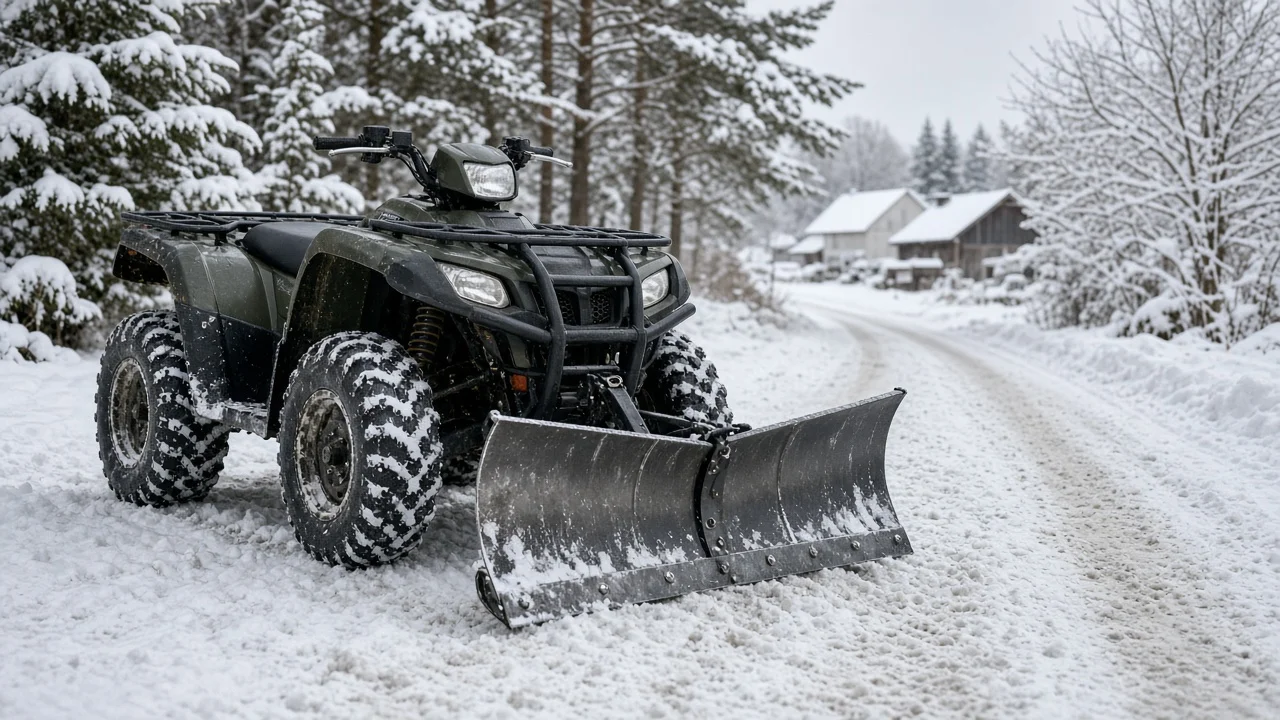
A four-wheel-drive ATV fitted with a plow kit designed for that exact machine is a practical way to clear driveways, private roads, paths and small lots. Four conditions decide whether it will work well for you. The first is the snow you usually get, because deep, wet or wind-packed snow is much harder on a small machine than light, frequent snowfall. The second is the size of the area. The third is whether the ATV has true selectable four-wheel drive, ideally with low range. The fourth is whether a mount kit exists for your specific model year, trim and powertrain. If any of these fails, a UTV, a truck-mounted plow or a snowblower may suit you better.
What "4 Wheel" Should Mean for Plowing
People often say "4-wheeler" for any ATV, but a four-wheeled ATV is not necessarily four-wheel drive. For plowing, the difference matters. A two-wheel-drive ATV can push a blade in light snow on flat pavement. It loses traction quickly on inclines, on packed snow, or when the blade loads up at the end of a pass. When you shop, confirm the drivetrain rather than assuming it from the body style.
• Selectable 4WD: lets you switch between two-wheel and four-wheel drive. Four-wheel drive is the normal setting for plowing. • Front differential lock or equivalent: sends power to both front wheels even when one is slipping. It helps a lot when pushing a loaded blade. • Low range: a lower gear set that gives more pushing force at slow speed. On ATVs with a belt-driven CVT (continuously variable transmission), low range also reduces belt slip and heat buildup under load. • Engine braking: helps control the machine when backing down a sloped driveway with the blade raised.
When an ATV Plow Fits and When It Doesn't
Situation | ATV plow suitability | Notes; Long gravel or paved driveway, regular snowfall | Good fit | Plowing early and often keeps loads manageable; Sidewalks, paths, barn and yard areas | Good fit | Narrow width and tight turning are an advantage; Small commercial lot or several properties | Possible, with limits | Time per pass and operator exposure to cold add up; a UTV with a cab may be more practical; Infrequent but very deep or heavy wet snow | Marginal | A lightweight machine may struggle to move or stack heavy loads; Steep driveway with ice underneath | Marginal | Traction, not engine power, becomes the limit; Wide-open areas where snow must be thrown away from buildings | Weak fit | A plow pushes and windrows snow; a blower throws it
Checks on the ATV Itself
The plow only works as well as the machine pushing it. Look at these points whether you are buying a new ATV with a plow package or evaluating one you already own.
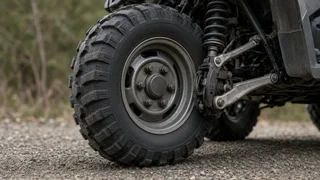
• Weight and traction: heavier machines generally push more effectively because more weight sits on the tires. A lighter ATV may need added ballast, a rear rack weight or tire chains. • Engine and transmission: a mid-size or larger utility ATV is the usual choice for plowing. Small youth or sport models are poorly suited. Sport models also tend to lack low range and a sturdy frame for mounting. • Cooling: plowing is slow, high-load work. A liquid-cooled engine with a radiator positioned so the raised blade doesn't block airflow is preferable. • Charging system and battery: an electric winch or plow actuator draws heavily from the battery during short, repeated lifts at low engine speed. Check battery condition and whether the charging output suits accessory use. • Power steering: not required, but it noticeably reduces fatigue when turning with a loaded blade. • Tires: aggressive utility tires with good tread grip better than worn or sport-oriented tires. Check tread depth and sidewall condition. • Ground clearance and skid plates: the plow frame mounts underneath. Aftermarket skid plates or guards may interfere with some mount plates.
How an ATV Plow Kit Is Put Together
Most kits share the same basic parts. Knowing them makes it easier to compare packages and spot what a used setup is missing.
• Mount plate: a bracket bolted to the ATV frame. It is model-specific and is the part most likely to cause compatibility problems. • Push frame (push tube): the arm that connects the mount plate to the blade and transfers pushing force. • Blade: the curved moldboard that moves the snow. • Wear bar or cutting edge: a replaceable strip along the bottom of the blade that takes the abrasion. • Lift system: usually a winch, sometimes a dedicated electric or hydraulic actuator, that raises and lowers the blade. • Angling mechanism: a pin-and-plate or powered system that lets you angle the blade left or right to roll snow to one side.
Mount Style: Center Mount vs Front Mount
A center mount, also called a belly or mid mount, attaches under the middle of the ATV and pushes from the frame's center. This places pushing force closer to the machine's weight and is the most common arrangement on utility ATVs. A front mount attaches to the front of the frame or bumper area. It can be simpler to reach for attaching and detaching, but it puts more leverage on the front end. Neither style is universally better. The deciding factors are what is available for your model and how often you plan to remove the plow during the season. If you use the ATV for other work between storms, look for a quick-attach system that lets you remove the push frame without tools.
Choosing the Blade
• Width: the blade should be wide enough that, when angled, it still covers the ATV's wheel track. This way the tires run on cleared ground instead of packing down snow. A blade that is too wide for the machine's weight and power will stall or push the ATV sideways. • Height: a taller blade holds more snow per pass but adds weight and load. Taller is not automatically better on a smaller ATV. • Material: steel blades are common and durable but can rust if the coating is damaged. Poly-faced or plastic blades shed snow easily and resist corrosion, but impact resistance and longevity vary by design. • Angling: manual angling means stopping and moving a pin or lever. Power angling saves time on long or frequently angled runs, but it adds cost and another component to maintain. • Trip mechanism: when the blade hits a hidden obstacle, a trip system lets it tilt forward to reduce shock to the ATV and operator. Some designs trip the whole blade and others trip only the lower edge. Some form of trip protection is worth having, especially on gravel or uneven ground. • Edge accessories: skid shoes or wheels keep the blade slightly raised and help reduce gravel pickup on unpaved driveways. Rubber edges are gentler on pavers and decorative surfaces.
Lifting the Blade: Winch or Actuator
Many ATV plows use the machine's front winch to raise and lower the blade. This is economical if the ATV already has a winch, but plow duty means many short pulls. Steel cable can kink and fray with repeated short pulls, and synthetic rope can wear against the fairlead. Many owners fit a shorter plow-specific strap or rope and a winch with a plow mode or automatic stop to avoid over-tensioning. Dedicated lift actuators keep the winch free for recovery use and can offer smoother control, but they add cost and are less common. Whichever you choose, check how the lift is controlled from the handlebars and whether the controls can be operated comfortably with winter gloves.
Compatibility: The Step That Causes the Most Problems
Plow mount plates are engineered for specific frames. The same model name can have different frame geometry, suspension parts or underbody layouts across model years, trims and engine sizes. A kit that fits one version may not fit another, even if the machines look identical.
• Match the mount kit to the exact model year, trim and powertrain using the plow maker's or dealer's fitment lookup. • Check for conflicts with accessories already installed, such as aftermarket bumpers, skid plates, winch mounts, lift kits or oversized tires. • Confirm whether the kit requires drilling or modifying the frame, and whether that affects any warranty on the ATV. • If you are buying OEM-branded and aftermarket parts separately, make sure the push frame, mount plate and blade are designed to work together. Parts from different systems are often not interchangeable. • For a used plow without a mount plate, budget for a new model-specific plate. Confirm one is still available for your machine before you buy.
Buying a Used ATV With a Plow
Plowing places repeated high loads on the drivetrain, cooling system and front end. A used ATV that has plowed for several winters may show wear that isn't obvious on a short test ride.
• Inspect the frame around the mount plate for cracks, bent brackets, or elongated or welded bolt holes. • Check front CV boots and axles for tears and clicking during turns, and look for play in tie rods and ball joints. • On CVT models, ask about belt replacement history. Signs of slipping or a burnt smell can point to a belt run hard in high range. • Look for corrosion from road salt on the frame, fasteners, electrical connectors and brake components. • Test the winch or lift actuator through several full cycles and inspect the cable, rope or strap. • Check the blade for bends, cracked welds and a worn-out wear bar, and confirm the trip springs return the blade properly. • Make sure the mount plate is included and actually fits the ATV being sold.
Buying New: Packages, Installation and Warranty
Some dealers offer an ATV and plow as a package, sometimes with installation included. Before you buy, ask a few questions. Is the plow an OEM accessory or an aftermarket brand? Does the dealer install the mount plate and lift system? Is the plow covered by its own warranty or by the ATV's? If you install it yourself, read how the warranty treats owner-installed accessories. If you plan to buy the ATV now and the plow later, choose a model that is well supported by plow makers so you have options.
Ownership Trade-Offs to Weigh
• Time and exposure: an ATV has no cab, so long plowing sessions in wind and cold are demanding. Heated grips, a windshield and hand guards make a real difference. • Wear: regular plowing accelerates wear on belts, CV joints, brakes and tires compared with light recreational use. • Storage: the blade and push frame need space during the off-season and protection from rust. • Versatility: when the plow is off, the ATV remains useful for hauling, towing and trail work, which a dedicated snowblower can't offer. • Stacking limits: a small blade can push snow into piles but cannot lift or throw it high. Over a heavy winter, banks along a driveway can become a problem.
Next Steps
• Decide whether an ATV plow suits your snow type, area size and terrain, or whether a UTV, truck plow or snowblower fits better. • Confirm the ATV has selectable 4WD, ideally with low range and a front differential lock. • Choose a mount style and quick-attach system based on how often you'll remove the plow. • Pick a blade width and height that match the machine's weight and power, with trip protection and suitable edge accessories for your surface. • Verify mount kit fitment for the exact model year, trim and powertrain, including any installed accessories. • For used setups, inspect the frame, front end, drivetrain, lift system and blade before you commit.