2026 Mazda CX-50 Hybrid Release Date: What It Means and How to Confirm a Model Year
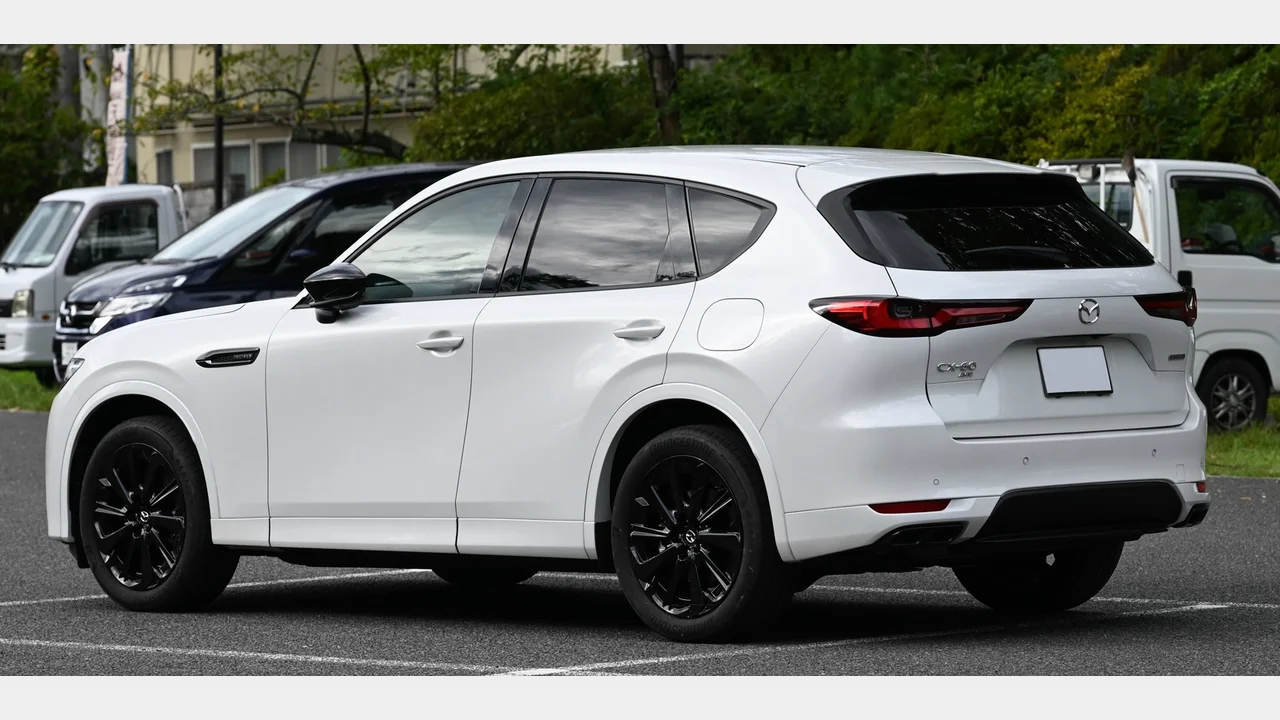
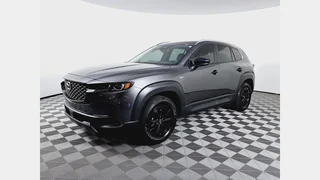
If you are searching for the 2026 Mazda CX-50 Hybrid release date, the short answer is that it is a continuation of a powertrain Mazda had already added to the CX-50 lineup, not an all-new model with a single launch day. The hybrid version of the CX-50 was introduced in the US for the 2025 model year, and the 2026 model year carries it forward. Exact dealer arrival dates for 2026 units varied by region and production schedule, and no confirmed on-sale date is stated here. What matters more for most buyers is understanding how model years work and how to confirm which year and build date a specific vehicle actually has.
The Direct Answer
The 2026 CX-50 Hybrid is a model-year update to an existing vehicle rather than a debut. In the US market, new model years for most mainstream vehicles typically begin reaching dealers during the preceding calendar year, often somewhere between late spring and the end of the year, although timing differs by manufacturer, model and plant. A 2026 model-year CX-50 Hybrid would therefore generally have started appearing on dealer lots during calendar 2025 and continued through 2026. Because Mazda does not always publicize a single nationwide release date for carryover model years, the most reliable confirmation for any particular vehicle is its own documentation, covered below.
What a Release Date Means for a Model Year
Shoppers often treat "release date" as one fixed day, but in practice a model year involves several separate milestones that can be weeks or months apart.
Announcement: the manufacturer publishes the model year's trims, features and sometimes pricing. Start of production: the factory begins building vehicles coded to the new model year. Dealer arrival: units ship and reach inventory, usually in waves, so some regions see them earlier than others. Order availability: dealers can place factory orders or accept reservations, which may begin before or after the first units arrive.
The model year printed on a vehicle's paperwork is a regulatory and marketing designation. It does not have to match the calendar year in which the vehicle was built, which is why a 2026 CX-50 Hybrid could have been manufactured in 2025.
Where the 2026 CX-50 Hybrid Fits in the Lineup
The CX-50 is Mazda's compact crossover built for the US market at the Mazda Toyota Manufacturing plant in Huntsville, Alabama. The hybrid variant uses a hybrid system based on Toyota technology, which distinguishes it from Mazda's own gasoline engines used in the non-hybrid CX-50. For 2026, the hybrid remains one powertrain choice within the broader CX-50 range rather than a separate model line.
Because trim names, standard equipment and pricing can change from one model year to the next, any comparison between a 2025 and a 2026 CX-50 Hybrid should be made using the window sticker or Mazda's current published specifications for each year, rather than assuming the two years are identical.
How the Hybrid Differs From the Gasoline CX-50
The core difference is the powertrain. A conventional hybrid pairs a gasoline engine with one or more electric motors and a high-voltage battery. The vehicle switches between or blends the two power sources automatically, recovering energy during braking and deceleration through regenerative braking.
High-voltage system: the hybrid carries a traction battery and power electronics operating at far higher voltage than the conventional 12-volt system. These components are sealed and designed to be serviced only by trained technicians. Battery management: an onboard battery management system monitors cell voltage, temperature and state of charge, keeping the battery within a safe operating window without driver input. Thermal management: the battery and power electronics have their own cooling arrangement, because temperature strongly affects hybrid battery performance and longevity. Isolation: the high-voltage circuit is electrically isolated from the vehicle body, and the system monitors that isolation as a safety measure. Charging compatibility: as a conventional hybrid rather than a plug-in hybrid, the CX-50 Hybrid does not plug into a charger. The battery is replenished by the engine and regenerative braking, so no home or public charging equipment is needed.
For an owner, the practical result is that refueling and day-to-day use work much like a gasoline vehicle, while the hybrid hardware works in the background to reduce fuel consumption, particularly in stop-and-go driving.
How to Confirm a CX-50 Hybrid's Model Year and Build Date
Whether you are shopping new or used, three sources on the vehicle itself tell you exactly what you are looking at.
Source | Where to find it | What it tells you; VIN, 10th character | Lower windshield on the driver's side, door jamb, registration and title | Model year; under the standard VIN coding, "T" corresponds to the 2026 model year and "S" to 2025; Vehicle certification label | Driver's door jamb or door edge | Month and year of manufacture, plus compliance information; Window sticker (Monroney label) | Affixed to new vehicles at the dealer | Model year, trim, powertrain, standard and optional equipment, and original pricing
Checking the VIN's 10th character is the quickest way to confirm the model year, and the door-jamb label gives the actual build month. Comparing the two is useful: a vehicle can carry a 2026 model-year designation with a 2025 build date, which is normal. To confirm that a CX-50 is the hybrid rather than the gasoline version, check the window sticker or a VIN decoding through a dealer, since badging alone can be removed or overlooked.
Timing Considerations for Buyers
Because model years overlap at dealerships, you may find a remaining 2025 CX-50 Hybrid alongside 2026 units, and later in the cycle 2026 units alongside the following model year. When comparing them, focus on equipment and price differences listed on each window sticker rather than the model year label alone. Build date can also matter for warranty start timing on unsold inventory and for any recalls or service campaigns, which are tied to specific production ranges; a Mazda dealer can check open campaigns using the VIN.
If you want a specific trim or color, asking a dealer about current allocation and factory order timing for the model year you prefer is more reliable than relying on a general release date, since availability depends on regional distribution.