Mazda CX-50 Hybrid Release Date: When It Arrived and What Changed
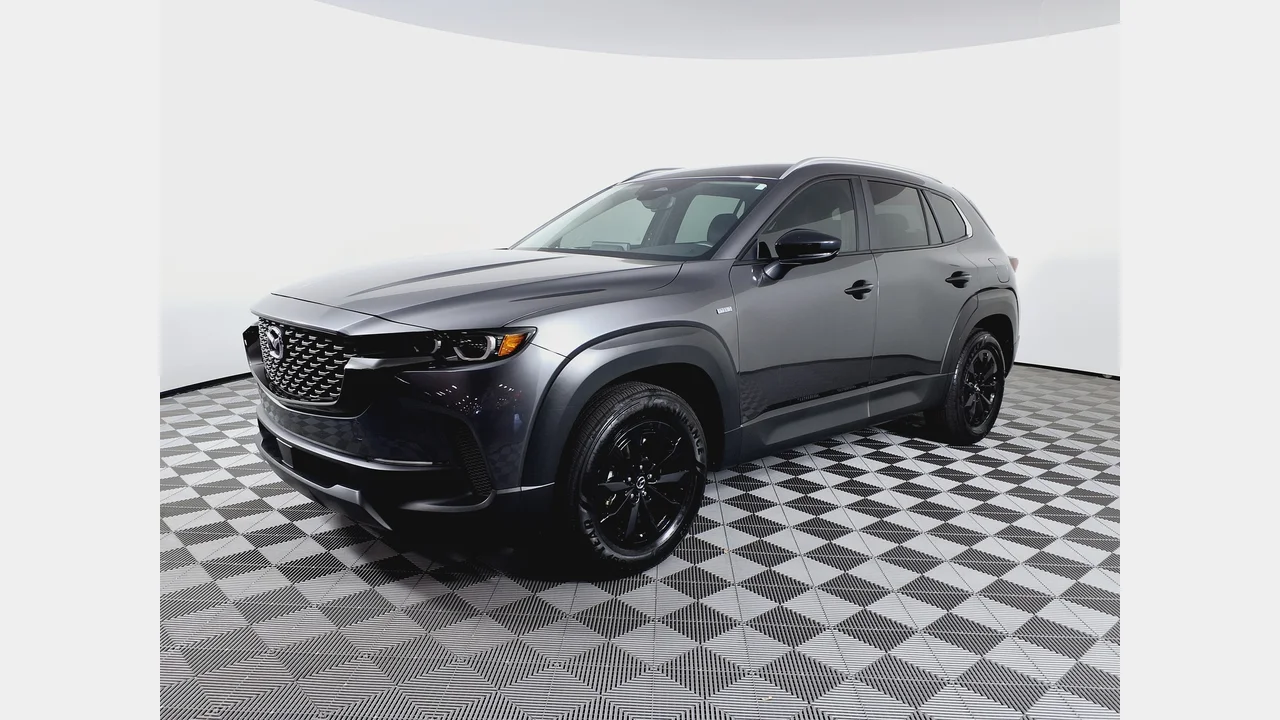
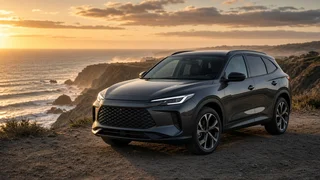
If you are trying to pin down the Mazda CX-50 Hybrid release date, the short answer is that the hybrid version of Mazda's rugged compact crossover joined the US lineup as a 2025 model-year vehicle. It reached American dealerships around the start of 2025, roughly two and a half years after the gasoline CX-50 first went on sale. The rest of this guide explains what that timing means, how the hybrid differs from the gas-only model, and how to tell which model year a specific vehicle belongs to.
The direct answer: when the CX-50 Hybrid came out
Mazda launched the CX-50 Hybrid in the United States for the 2025 model year. Availability was phased rather than nationwide on a single day, so the first examples a given dealer received could arrive weeks apart from another region. Exact on-lot dates varied by dealer allocation and shipping, which is normal for any new powertrain variant.
Two qualifications matter. First, this answer applies to the US market; Mazda's hybrid offerings and timing in other regions follow different product plans. Second, the hybrid is a variant of the existing CX-50 rather than a separate model generation, so it shares the same body, platform and general design that debuted on the gasoline version for the 2023 model year.
Where the hybrid fits in the CX-50 timeline
2023 model year: the CX-50 launches in the US with gasoline engines only, positioned as a more outdoors-oriented companion to the CX-5. 2024 model year: the gasoline lineup continues while Mazda prepares the electrified variant. 2025 model year: the CX-50 Hybrid is added alongside the gasoline versions, giving buyers a choice of powertrains within the same model. Later model years: the hybrid continues as part of the CX-50 range; check Mazda's current US lineup for the trims offered in any given year.
How the CX-50 Hybrid differs from the gas model
The defining feature of the CX-50 Hybrid is that its hybrid system comes from Toyota rather than being a Mazda-developed design. The two companies have a technology and manufacturing partnership, and the CX-50 is built at their jointly operated plant in Huntsville, Alabama. In practice, this means the hybrid CX-50 uses a gasoline engine paired with electric motors and a power-split arrangement familiar from Toyota's compact hybrid SUVs, wrapped in Mazda's own body, interior and tuning.
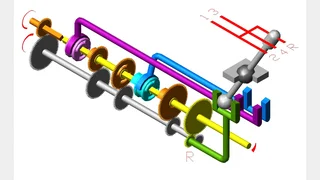
Compared with the gasoline CX-50, the hybrid's main appeal is improved fuel economy, particularly in stop-and-go driving where electric assistance does more of the work. All-wheel drive is standard on the hybrid, with the rear wheels driven by an electric motor rather than a mechanical driveshaft. Driving character also differs: the hybrid uses a continuously variable transmission behavior typical of power-split systems, while the gasoline models use a conventional automatic. Official fuel-economy ratings, output figures and trim pricing are published by Mazda and the EPA for each model year and should be checked there for the exact vehicle you are considering.
What the hybrid system means for ownership
The CX-50 Hybrid is a conventional, self-charging hybrid, not a plug-in hybrid. It has no charging port, so charging compatibility with home outlets or public stations is not a consideration. The battery is replenished by the engine and by regenerative braking, which converts some of the energy normally lost as heat during slowing into stored electricity.
Like every hybrid, it contains a high-voltage system that operates well above the 12-volt electrical system used for lights and accessories. A battery management system monitors cell voltage, temperature and state of charge to keep the pack within safe operating limits, while thermal management, typically a cooling fan and ducting for the battery, prevents the pack from overheating. Isolation refers to keeping the high-voltage circuits electrically separated from the vehicle body; the system monitors this continuously and will flag a fault if isolation degrades. For owners, the practical takeaway is that routine maintenance stays familiar, but any work on the orange high-voltage cabling or battery should be left to technicians trained on hybrid systems.
Model year versus build date
When researching a used CX-50 Hybrid, it helps to separate the model year from the build date. The model year is a marketing and regulatory designation, and vehicles are often produced months before the calendar year printed on them. A 2025 CX-50 Hybrid could therefore have been built in 2024.
Model year: encoded in the 10th character of the 17-digit VIN. For the 2025 model year, that character is the letter S. Build date: printed as a month and year on the compliance label on the driver's door jamb. Powertrain: the VIN also encodes engine and model information, and a VIN decoder or Mazda dealer can confirm whether a specific vehicle is the hybrid. Window sticker: if available, it lists the exact powertrain, trim and original equipment.
Checking both the VIN and the door-jamb label is the most reliable way to confirm that a listing advertised as a CX-50 Hybrid is actually the hybrid variant and belongs to the model year claimed.
Bottom line
The Mazda CX-50 Hybrid arrived in the US as a 2025 model, adding a Toyota-sourced hybrid powertrain with standard all-wheel drive to an existing crossover that had been on sale since the 2023 model year. If you are shopping, confirm the model year and powertrain through the VIN, and compare current official specifications and fuel-economy ratings for the exact year and trim you are considering.