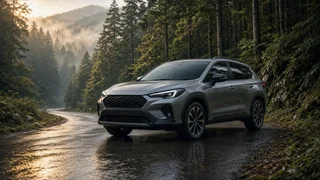
2019 Japanese SUVs
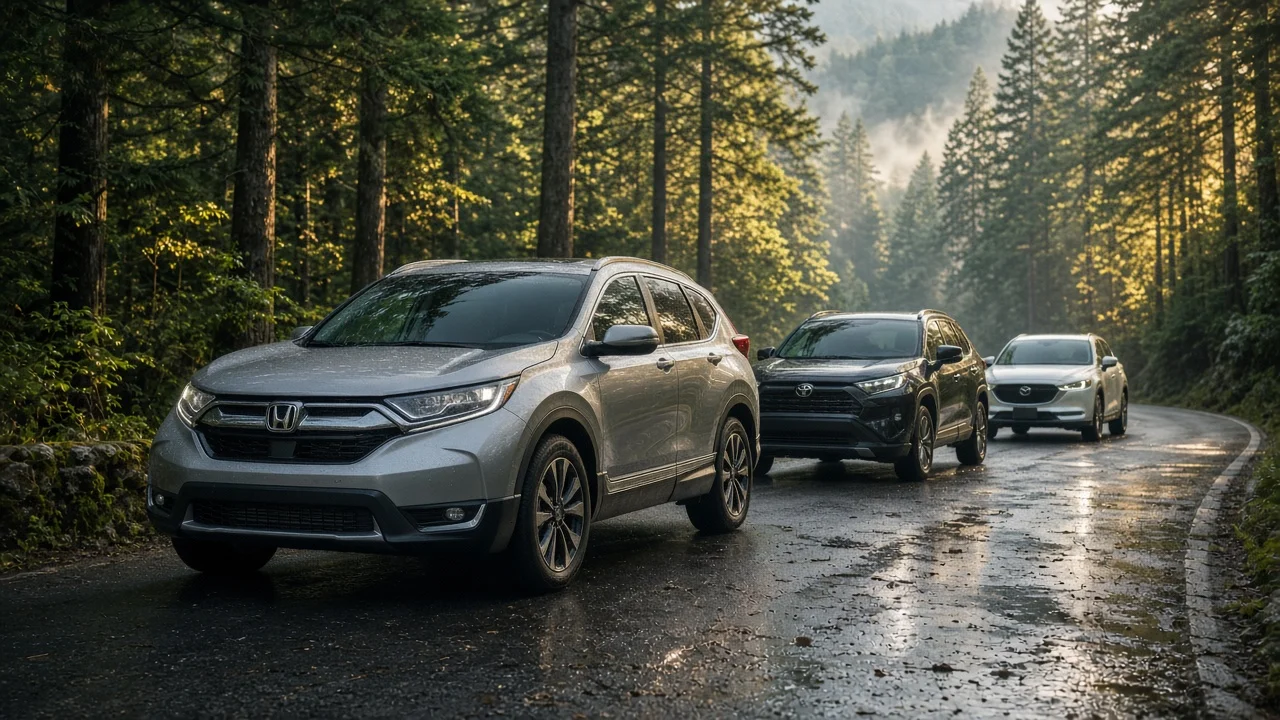
Shopping for a 2019 Japanese SUV means weighing how each body style and vehicle configuration fits daily driving. The model year brings together refined crossovers, traditional truck-based utilities, and hybrid options, with a shared emphasis on thoughtful passenger space and flexible cargo access. In the United States market, buyers typically compare these vehicles by interior packaging, all-wheel-drive availability, and how well the design matches real operating conditions. That practical lens matters more than brand reputation alone, because two similarly named SUVs can serve very different ownership needs.
Essential answer
A 2019 Japanese SUV is not one single category but a group of vehicles spanning compact crossovers, midsize family haulers, and larger three-row utilities built primarily by brands such as Toyota, Honda, Nissan, Mazda, Subaru, and Mitsubishi. The essential answer is that these models generally emphasize efficient packaging, predictable road manners, and available all-wheel drive, but the correct choice depends on how many people you carry and what kind of cargo access you need. Some are car-based crossovers tuned for commuter comfort, while others retain a more rugged, truck-derived structure.
Understanding the scope also means recognizing the difference between a unibody crossover and a body-on-frame SUV. Unibody designs usually provide lighter steering, better fuel efficiency, and easier loading heights, which suits suburban driving and long highway trips. Traditional configurations may offer greater towing reserve or tougher suspension travel for unpaved roads. Because the 2019 Japanese SUV class covers both approaches, a buyer should first define passenger space, weather capability, and typical operating conditions rather than assuming every model behaves the same way.