Best Japanese SUVs
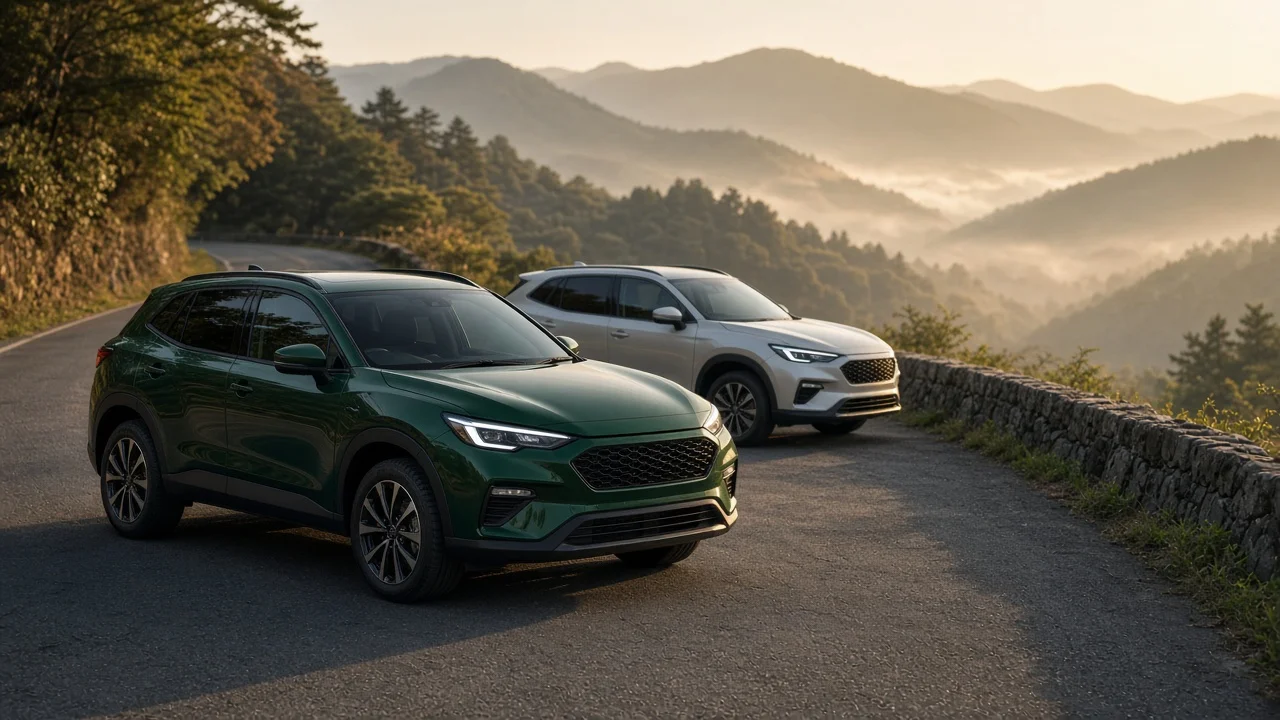
Choosing the best Japanese SUV requires weighing daily usability against the conditions you actually face. Sport utility vehicles from Japan have earned a reputation for durable engineering, practical interiors, and strong resale value, but the right model depends on how passenger space, cargo access, and vehicle configuration match your routine. A compact crossover that suits city commuting may feel strained on rough forest roads, while a three-row body style could be more than a two-person household needs. The following entry frames the category so you can judge which traits matter most before narrowing a purchase.
Relevant entries
The term best Japanese SUV is best understood as a selection rather than a single winner, because ownership needs vary more than test scores suggest. A model praised for on-road comfort may have a cabin layout that limits cargo access through a sloping rear hatch, while another with boxy proportions preserves headroom and flat load floors. Considering operating conditions helps here: frequent highway travel rewards stable steering and quiet cruising, whereas unpaved driveways or winter slush place greater value on ground clearance and all-wheel-drive behavior that does not constantly shuffle power between axles.
Practical comparisons should focus on vehicle configuration and passenger space instead of treating every SUV as interchangeable. Some Japanese offerings position the driver high but package the second row tightly, reducing usefulness for adults on longer trips. Others prioritize sliding or reclining rear seats, making the same footprint feel more flexible when carrying child seats, sports gear, or cargo boxes. Body style also changes how owners live with the vehicle daily, from lift-over height at the bumper to the width of the rear opening. Those details often separate a well-rounded recommendation from one that simply posts impressive specifications.