2016 Toyota Tacoma Trailer Sway Control

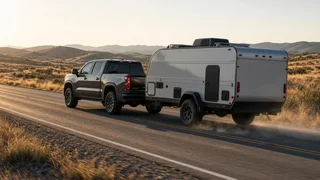
Trailer sway can turn a stable highway tow into a tense correction sequence, especially when a gust of wind or a passing truck pushes the trailer off center. On the 2016 Toyota Tacoma, trailer sway control is part of the vehicle’s electronic stability system and works by selectively applying brake pressure and reducing engine output when yaw sensors detect the repeating side-to-side motion that defines sway. Understanding how this intervention behaves helps owners distinguish normal system activity from conditions that still require proper loading, hitch setup, and conservative speed.
Essential answer
Toyota’s trailer sway control on the 2016 Tacoma is an automated stability feature that monitors the truck’s yaw, steering, and speed while towing. When the system recognizes the oscillating lateral movement associated with trailer sway, it can reduce drive torque and apply individual wheel brakes to help straighten the combination. The intervention is designed to be smooth and temporary, ending once motion stabilizes. Importantly, this system assists the driver but does not replace correct weight distribution, appropriate hitch hardware, or a properly loaded trailer.
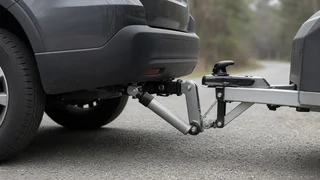
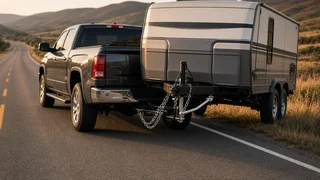
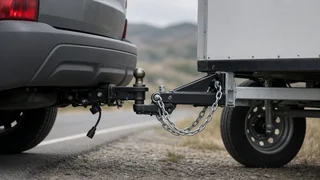
The practical scope of the feature depends on how the Tacoma is equipped and how the trailer is configured. Because it reads motion through the truck’s stability sensors rather than a separate module on the trailer, its response relies on the vehicle sensing the disturbance transmitted through the hitch. The system cannot correct a trailer with excessive tongue weight, underinflated tires, or a gross combination that exceeds the truck’s ratings. In those cases, sway control may trigger repeatedly without fixing the underlying cause. Drivers should treat activation as a signal to slow down and reassess loading rather than as proof that the setup is safe.