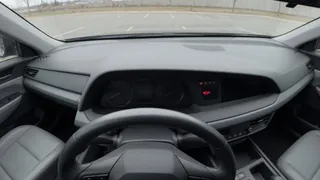
2010 VW CC oil pressure engine off warning

When a 2010 VW CC shows an oil pressure engine off warning, the dashboard is relaying a serious protective signal. The message usually appears when the powertrain controller or instrument cluster sees a signal indicating that oil pressure is not sufficient for current engine load and rpm. In many cases, it is paired with an instruction to stop the engine, and the warning should be treated as a request to reduce risk of bearing or turbocharger damage. The useful first distinction is not what one part to replace, but what condition triggered the alert.
Essential answer
The 2010 VW CC oil pressure engine off warning means the car is reporting a low oil pressure condition severe enough that continued operation may damage internal engine components. It does not by itself identify whether the cause is a low lubricant level, an incorrect lubricant specification, a faulty sensor, a clogged pickup screen, or a failing oil pump. The warning should be read as evidence that the oil pressure circuit is outside the expected range, not as proof that any single component has failed.
On this platform, the condition may be influenced by the engine variant, because Volkswagen used different four-cylinder and V6 options in the CC. The driver message can also appear with reduced oil pressure during hot idle or after oil changes when the fill quantity or filter sealing is incorrect. Before assuming a mechanical fault, an owner should confirm the level check procedure and whether the correct oil filter is fitted, since those basic variables often change the pressure reading.
Diagnosing a problem
A practical first check is the oil level reading with the car parked on level ground and the engine at operating temperature after a brief shutdown. A level below the minimum mark can allow the pickup to draw air during cornering, braking, or acceleration, which may briefly drop pressure and trigger the warning. If the level is normal, inspect for signs of a recent change: an incorrect fill quantity, a doubled or pinched oil filter gasket, or use of an oil that does not match the recommended viscosity can affect how pressure builds at idle and under load.
If the level and lubricant specification appear correct, the warning may be caused by a failing oil pressure switch, a wiring issue, or a restricted pickup screen. A fault code from a scan tool can show whether the circuit is open, shorted, or outside range, but manufacturer-dependent definitions require confirmation for the specific engine and model year. Because low pressure can damage bearings and timing components quickly, repeated warnings during normal driving, a flickering oil light, or new engine noise are reasons to stop driving and seek professional diagnosis rather than continue cycling the ignition.