2006 Suzuki Grand Vitara engine oil type
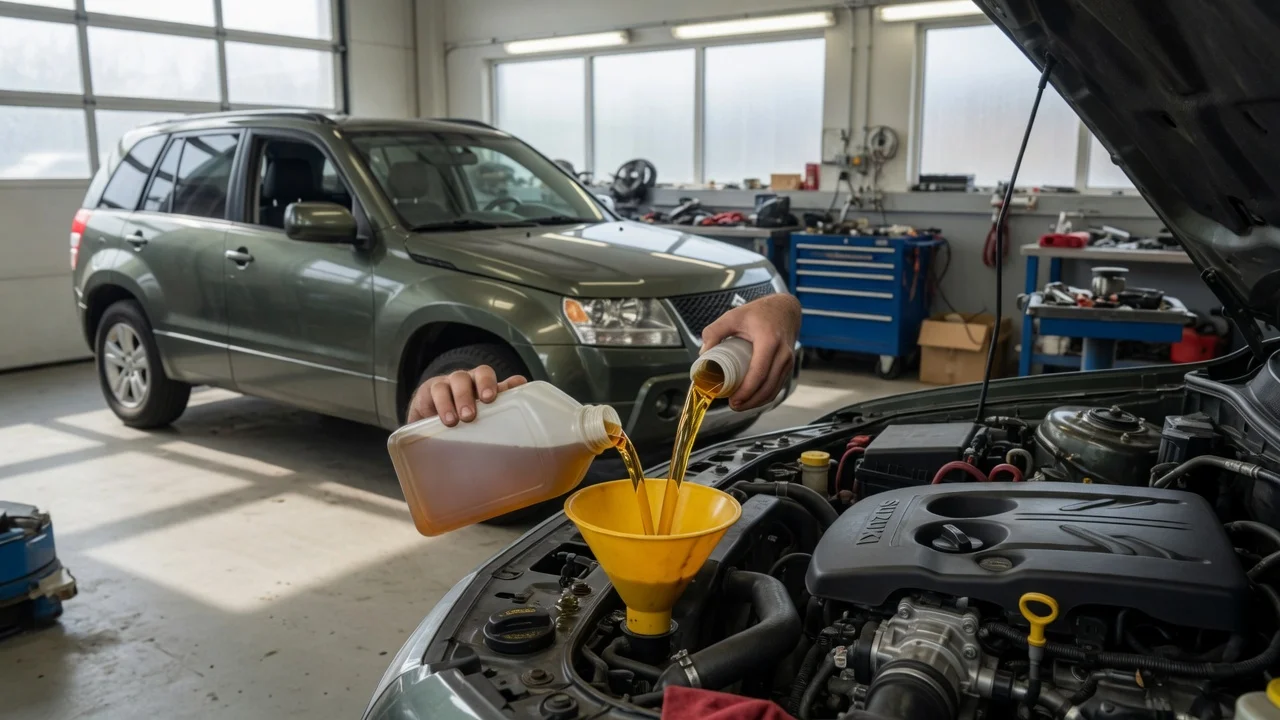
What oil a 2006 Grand Vitara takes
A 2006 Suzuki Grand Vitara needs the engine oil grade Suzuki specified for that model year and for the engine actually fitted to the vehicle. Oil type is not a single universal product across every Grand Vitara sold in 2006. Petrol four-cylinder, V6 and diesel versions differ in fill quantity and, in some markets, in viscosity and performance specification. The supported choice is the viscosity and quality standard printed in the owner’s manual and on the oil-filler cap for that vehicle, then a current oil that still meets or supersedes that standard.
A factory viscosity such as SAE 5W-30 is widely associated with petrol 2006 Grand Vitaras, including the North American 2.7-litre V6, in Suzuki’s published temperature charts of that period, usually with an API petrol category such as SL or SM (or a later API category that remains backward-compatible). That association is a typical documented recommendation, not a measured result from independent testing, and it does not automatically apply to every engine and climate. Diesel models and some export petrol engines can require a different grade. Exact crankcase capacity with filter, the full temperature/viscosity chart, and any diesel ACEA or low-SAPS requirement are not established here without the engine code, market and the vehicle’s own manual.
What changes the correct grade
The 2006 Grand Vitara sat in Suzuki’s JT generation and was sold with more than one powertrain. Confirming which engine is in the vehicle is the first material qualification before buying oil.
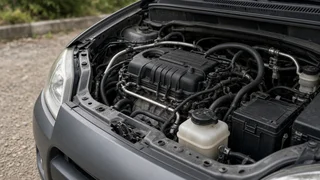
Petrol engines of this year include four-cylinder and V6 units depending on market; the United States 2006 model used a 2.7-litre V6. Other regions offered smaller petrol engines such as 1.6-litre and 2.0-litre units. Some markets offered a diesel, commonly a 1.9-litre DDiS. Diesel oil is specified to a different performance standard than petrol oil and must not be chosen from a petrol-only viscosity chart. Climate and Suzuki’s viscosity table matter. A winter 5W- grade is the usual published preference for many petrol examples; a 10W- grade may appear on the same chart only for warmer ambient ranges. Use the chart in the manual for the temperatures where the vehicle is driven. An oil-and-filter service uses a larger fill than a drain without a new filter. Capacity is engine-specific and should be taken from the manual, then checked on the dipstick after a short run and a level wait on level ground.
How to confirm before you buy
Treat the filler cap, the owner’s manual viscosity chart and the engine identity as the primary specification. Service stickers and parts-counter lookup by VIN are useful cross-checks, not a substitute for those three.
Read the oil-filler cap and the lubrication section of the 2006 Grand Vitara owner’s manual for SAE viscosity, API or ACEA quality grade, and refill quantity with filter. Identify the engine from the manual, under-bonnet label or registration documents so petrol and diesel charts are not mixed. Match a current bottled oil that lists the same SAE grade and a quality standard that meets or supersedes the printed API, ILSAC or ACEA requirement. Later petrol API categories are generally formulated to cover older SL/SM service where the bottle says so. After filling, run the engine, shut it down, wait for oil to drain back and set the level between the dipstick marks. Do not assume the bottle’s “typical 5-quart” language equals this engine’s capacity.
Choosing oil in practice
Once the manual grade is known, conventional, synthetic-blend and full-synthetic oils are all acceptable if they carry the required viscosity and the required (or superseding) quality mark. Full synthetic is an ownership preference for high-temperature stability and cold flow; it is not a substitute for the wrong SAE grade. Avoid mixing a diesel low-SAPS oil requirement with a petrol-only product, and avoid a heavier winter grade than the chart allows if the vehicle sees cold starts. If the original printed category is obsolete on shop shelves, use a current oil whose label states coverage of that older category rather than guessing from brand marketing alone.
The practical next action is to read the 2006 owner’s manual chart for the fitted engine, buy that SAE grade in a quality standard that meets or replaces the printed spec, change the filter with the oil, and set the level on the dipstick. If the manual is missing, a dealer or independent technician can recover the specification from the VIN; until that is confirmed, a single off-the-shelf viscosity should not be treated as proven for every 2006 Grand Vitara.