2005 Duramax In-Tank Fuel Pump
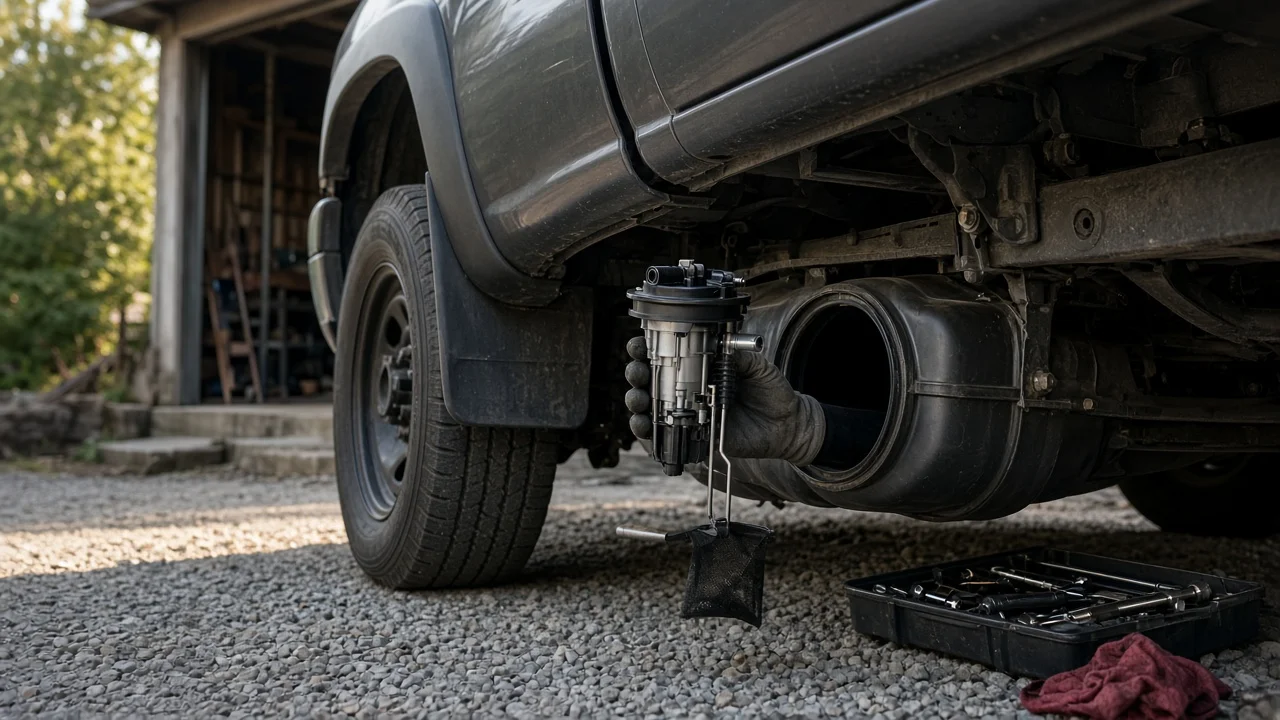
Choosing the right replacement for a 2005 Duramax in-tank fuel pump starts with understanding why the factory arrangement matters for performance and daily reliability. Many owners first notice a hard start, falling fuel pressure, or a noisy lift pump, and then discover that Duramax model years differ in how they feed the high-pressure injection system. The in-tank module moves diesel from the saddle-style reservoir to the engine bay, so a weak pump can mimic injector or filter trouble. This guide explains what to check when selecting a replacement so you can evaluate options against your truck’s actual fuel system configuration.
The direct answer
For a 2005 Duramax, the in-tank fuel pump is the primary lift pump that supplies low-pressure diesel to the engine-driven high-pressure pump. A replacement should be selected for the correct cab and bed configuration because some trucks use a single tank while others pair a rear tank with a front reservoir. The direct answer is that the module must be compatible with the factory sending unit wiring, fuel level float range, and return line plumbing, not just the electrical connector style. Since the 2005 model year spans multiple assembly changes, confirming the exact tank style before purchase prevents an incorrect part and repeated installation labor.
The most important condition that changes the answer is whether the truck still uses the original fuel system layout or has been converted to an aftermarket lift pump. If an external pump has been added and the factory in-tank module is only acting as a pickup and sender, the part choice changes. Otherwise, the practical repair is to install a replacement module rated for Duramax low-pressure feed duty. The pump must maintain steady volume under load because the common rail injectors depend on a stable supply. A replacement that fits physically but flows below the system’s demand can cause fuel trim issues, reduced power, or injector damage over time.