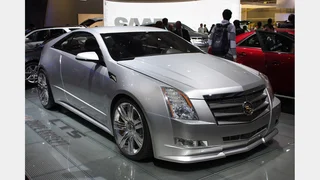
2003 Cadillac CTS Oil Pressure Low – Stop Engine

A “2003 Cadillac CTS oil pressure low stop engine” warning pairs a sudden dashboard alert with an instruction no driver wants to see. In this first-generation CTS, the message means the powertrain control system believes oil pressure has fallen far enough to threaten the engine’s bearings, camshafts, and timing components. Because the 3.2L V6 and later engines depend on continuous pressurized oil flow, the alert deserves immediate attention. Understanding why the warning appears helps separate a faulty sensor or wiring concern from a true loss of pressure, low oil level, incorrect lubricant specification, or a failing pickup and pump. The following overview explains how to interpret the condition and what practical checks can narrow the cause.
Essential answer
The essential answer is that the warning should stop the vehicle as soon as it can be parked safely. “Low oil pressure” is not a routine reminder; it indicates that the engine control system has received a signal below an expected threshold. The condition may be real, caused by insufficient oil volume, a clogged pickup screen, a failing pressure relief valve, or worn bearings. It may also be a measurement problem, such as a failing oil pressure switch, a poor connection, or incorrect oil viscosity that changes how pressure develops during cold starts or hot idle. Treat the message as a prompt to verify the simplest causes before assuming major damage.
A low reading is evidence to interpret, not proof that one part has failed. Begin with the basics: shut the engine off and check the oil level on level ground after the car has sat briefly. The dipstick reading and the condition of the oil provide immediate clues. If the level is correct, the next question is whether the alert appears consistently, changes with RPM, or accompanies unusual engine noise. A silent engine with a stable idle may point toward a sensor or circuit fault, while heavy knocking or ticking under load increases the likelihood of genuine pressure loss. Manufacturer-dependent codes and switch calibration require vehicle-specific confirmation before replacing components. The fill quantity and lubricant specification must also match the engine’s requirements, because the wrong grade can produce lower indicated pressure without a mechanical failure.