1990s Toyota two-door sports cars
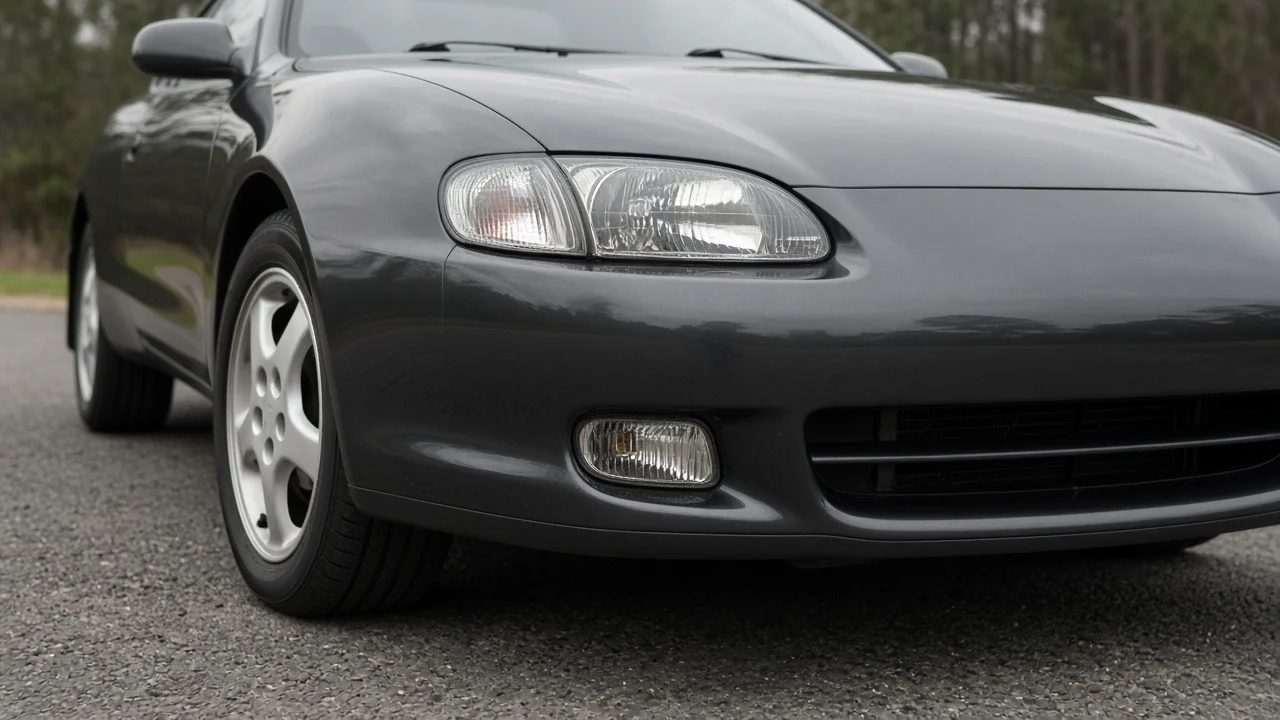
A 1990s Toyota two-door sports car typically means a lightweight, driver-focused coupe or liftback built when the company paired compact body configurations with eager powertrain layouts. These cars share a reputation for accessible performance, predictable handling, and strong aftermarket support. Understanding the vehicle class, seating layout, and model generation helps separate true sports models from sporty-looking compacts. The decade produced several related platforms, so the essential answer rests on identifying which two-door body configuration and market segment the question actually points toward.
Essential answer
The core subject is the family of Toyota two-door sports cars sold during the 1990s. The clearest representatives are rear-wheel-drive liftbacks and front-engine coupes built around modest weight and responsive chassis tuning. Their seating layout usually places two occupants low in the cabin, sometimes with small rear seats more useful as package space. The powertrain layout varies by platform: some models send power to the rear wheels, while others use front-wheel drive. That difference shapes acceleration feel, cornering balance, and how the car responds to throttle inputs.
The market segment matters when narrowing the answer. A JZ-powered grand tourer sits in a different vehicle class from a lightweight front-drive coupe, even if both wear two-door styling. The model generation also changes the character: early 1990s designs often feel more analog, while later versions add refinement, weight, and electronics. In the US market, the most prominent 1990s Toyota two-door sports cars include the Supra, the Celica, and the mid-engine MR2. Each demonstrates a distinct approach to the two-door sports car formula rather than merely sharing a badge.