1969 Camaro In-Tank Fuel Pump
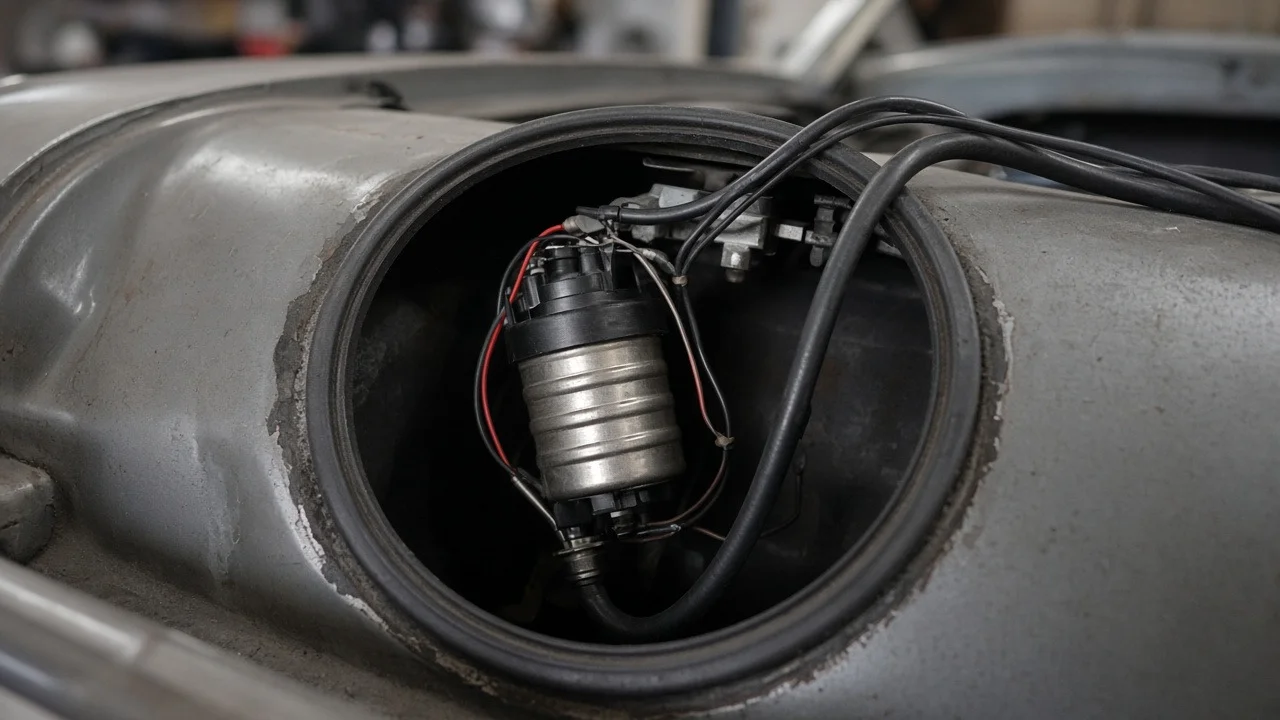
Upgrading a 1969 Camaro to an in-tank fuel pump solves several problems with factory-style external pickups, especially fuel starvation during hard acceleration and vapor lock in hot weather. Before buying, the key is matching the pump assembly to the tank depth, baffling, and the vehicle's fuel pressure needs. A well-chosen module or custom hanger should fit without stressing the sending unit wiring or return line routing. This guide explains the practical checks that matter when selecting a conversion setup.
The direct answer
A 1969 Camaro left the factory with a mechanical pump mounted on the engine, so an in-tank electric pump is an aftermarket conversion, not a drop-in stock replacement. The immediate choice usually involves either a reproduction tank already fitted with an EFI-style baffled sump and pump module, or a custom hanger assembly installed into the original-style tank. Which route fits depends on whether the goal is supporting fuel injection, improving a carbureted system, or eliminating surge under cornering and launch conditions.
The correct pump is determined primarily by the engine's fuel pressure requirement and the tank's internal dimensions. A carburetor typically needs low pressure with a regulator or return-style system, while electronic fuel injection demands much higher, tightly controlled pressure. Confirm whether the sending unit ohm range matches the factory gauge, and check that the assembly's depth places the pickup sock near the lowest point of the tank without crushing the filter against the floor.