10,000 lb Trailer Safety Chains
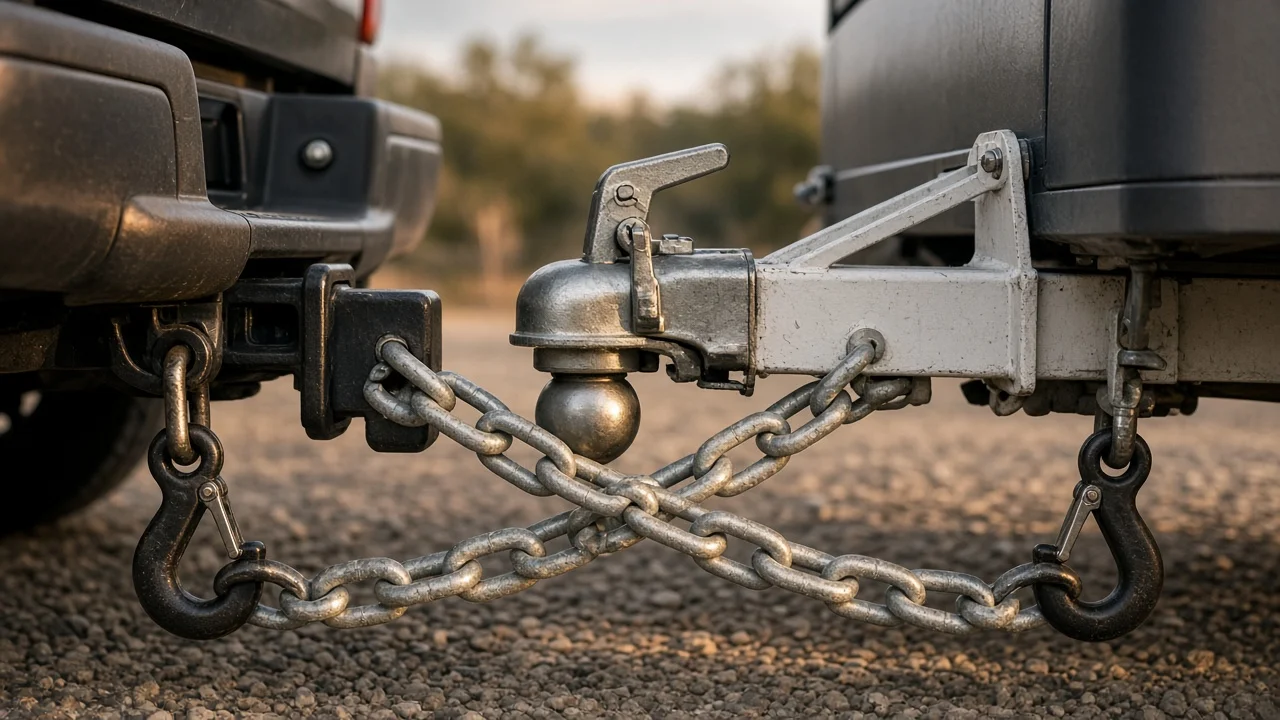
Choosing 10,000 lb trailer safety chains means matching the chain strength to your loaded trailer and the way the hitch connects the tow vehicle. The rating is not just a package label; it reflects the working load limit that the chain assembly should support if the coupler separates. Before buying, compare that value with your trailer's gross vehicle weight rating, the receiver configuration, and the attachment points on the trailer tongue. A chain rated for the trailer's maximum loaded weight gives you a direct safety margin and helps you meet towing requirements without guessing.
The direct answer
A 10,000 lb trailer safety chain is intended for a loaded trailer whose actual weight does not exceed that same working load limit. The number describes the chain assembly's rated capacity, not a guarantee that any trailer below that figure will behave the same way. You must still check the gross vehicle weight rating of the trailer, the payload placed on the axles, and the tongue weight applied to the hitch. If the fully loaded trailer approaches the chain rating, the setup works only when the hitch components, coupler, and frame attachment points are also rated to handle that combined load.
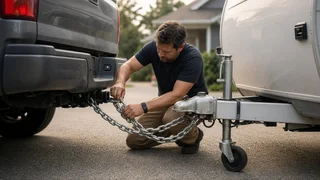
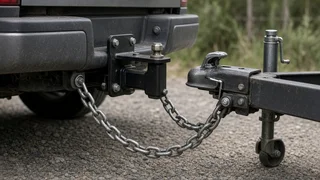
The practical decision starts with the weakest link in the towing configuration. Even a correctly rated chain cannot compensate for an under-rated receiver, a worn pintle hook, or undersized mounting hardware on the trailer tongue. When shopping, look at the chain grade, the hook style, and the length needed to cross under the coupler without dragging. A 10,000 lb rating applies to a new, undamaged assembly used in a straight pull, so rust, twisted links, or an extreme angle during a sway event can reduce the real-world margin. Select hardware that matches both the axle rating and the combined weight rating of your tow vehicle and trailer.