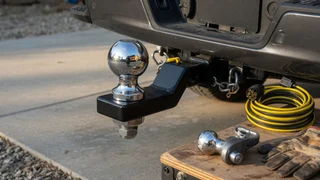
1-1/4 Inch Receiver Trailer Hitch Ball Mount
Choosing a 1-1/4 inch receiver trailer hitch ball mount starts with understanding the difference between the receiver opening and the ball platform. The smaller receiver tube is common on crossovers and light-duty vehicles, where towing capacity is modest. A correct fit prevents rattling and keeps the trailer coupler stable. This guide explains what to inspect before buying, how weight ratings affect the choice, and why material, shank length, and finish matter for a dependable towing setup.
The direct answer
The immediate fix is to select a ball mount with a shank that measures 1-1/4 inches square, not the older 1-1/4 inch ball diameter phrasing that appears in some listings. The shank slides into the vehicle's receiver tube and is secured with a hitch pin. Before ordering, confirm the receiver opening on the vehicle because some light-duty models use a Class I or Class II receiver with this smaller square size, while a heavier Class III receiver requires a 2-inch shank.
A practical starting point is to look at the existing receiver label or owner's manual for the gross vehicle weight rating and tongue weight limit. A 1-1/4 inch ball mount generally suits small trailers, bike racks, and cargo carriers with lower tongue loads. The mounting platform must also accept the trailer coupler's ball shank diameter, so compare the hole size in the ball mount to the hitch ball selected for the specific trailer.