Yamaha Tracer 9 GT: Rider Fit and Passenger Accommodation
The Short Answer
The Yamaha Tracer 9 GT is a sport-touring motorcycle built on Yamaha's three-cylinder 890cc platform. It suits a wide range of rider sizes because several contact points can be adjusted, and it is set up to carry a passenger more readily than the base Tracer 9. The upright riding position, adjustable wind protection, standard hard side cases and electronically managed suspension make two-up touring a core use rather than an occasional one.
Fit still depends on the individual. Shorter riders may find the seat tall for a confident reach to the ground, and taller riders may want more legroom than the standard setup gives. Equipment and adjustment ranges also vary by model year and trim. The current-generation GT and the later GT+ differ in some features, and US-market equipment can differ from other regions. Treat the points below as general characteristics of the model line and confirm details for the exact bike you are considering.
What Sets the GT Apart From the Base Tracer 9
Within the Tracer 9 family, the GT trim adds touring equipment on top of the same basic chassis and engine. Equipment differs by year and market, but the comfort-related additions have typically included:
Hard side cases fitted as standard; Semi-active suspension, meaning electronically controlled damping that adjusts while you ride; Cruise control; Heated grips; Cornering lights; The higher GT+ trim, introduced in later model years, with further rider-assistance technology and an electrically adjustable windscreen
For rider fit and passenger comfort, the suspension, luggage and wind management matter most. The seating geometry is broadly shared across the family.
Rider Fit: The Main Contact Points
Seat Height and Shape
The rider's seat can be set at more than one height, so you can trade some legroom for an easier reach to the ground, or the reverse. The seat is reasonably narrow where it meets the tank, which helps shorter riders get their feet down more than the seat height alone would suggest. Even so, the Tracer 9 GT is a tall touring bike. Riders with a shorter inseam should sit on one with the suspension loaded as they would ride it, because sag (how far the suspension settles under weight) changes the effective height. Lower aftermarket or accessory seats are a common route for riders who want more confidence at stops.
Handlebar Position
The handlebar sits high and fairly close, which gives an upright posture with little weight on the wrists. The bar mounting allows some position adjustment, so riders can fine-tune reach to suit arm length and torso height. That flexibility helps riders at either end of the size range avoid stretching forward or feeling cramped.
Footpegs and Legroom
Knee bend is set by the relationship between seat and footpegs. Raising the seat opens up the knee angle, which taller riders often prefer on long days. The rider footpegs also offer a degree of positional adjustment. Riders well above average height may still find the knee bend tighter than on larger adventure-touring bikes. This is a typical trade-off of the Tracer's sportier, more compact geometry.
Wind Protection
The windscreen is height-adjustable. On earlier GT models this is done by hand. On the GT+ it is adjusted electrically. A well-set screen reduces fatigue on the highway, but how well it works depends a lot on rider height and helmet shape. Some riders find the screen sends turbulent air toward the helmet at certain settings. Taller riders in particular sometimes fit taller accessory screens or deflectors. If possible, test the screen at highway speed rather than judging it in a parking lot.
Passenger Accommodation
Seat, Pegs and Grab Points
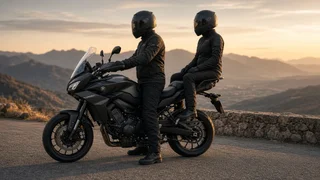
The passenger has a separate seat section that sits higher than the rider's. This gives the passenger a view over the rider's shoulders. Passenger footpegs and grab handles are fitted for two-up use. How comfortable the passenger finds the bike depends on their leg length relative to peg height and on how long the ride is. A passenger with long legs may find the knee bend fairly tight, while a shorter passenger will usually be comfortable.
Suspension Under Load
Adding a passenger and luggage compresses the rear suspension and changes the bike's attitude, braking feel and steering. The GT's semi-active suspension continuously adjusts damping to suit conditions. That helps maintain ride quality and stability when the bike carries more weight. Riders should still set rear preload (the initial spring compression that sets ride height) for the load. Doing so keeps ground clearance and handling consistent and helps the headlight aim stay correct. The method for adjusting preload varies by model year, so it is worth learning how it works on the specific bike.
Luggage and Two-Up Practicality
Standard hard side cases make the GT practical for carrying two people and their gear. Many owners add a top case, which can also act as a backrest for the passenger, depending on the case and how it is mounted. Load the heaviest items low and toward the center of the bike, and stay within the load limits for the cases and the motorcycle.
Who the Tracer 9 GT Fits Best
Rider or use case | General fit; Average-height rider, solo touring | Generally a good match; upright posture and adjustable controls suit long days; Shorter rider | Workable for many, but test seat height and footing carefully; a lower seat may help; Tall rider | Usually comfortable at the bars; legroom and wind flow are the points to check; Regular two-up touring | Well suited thanks to standard cases and semi-active suspension; Passenger with long legs | Comfortable on shorter trips; knee bend may become noticeable over long distances
How to Check Fit Before You Buy
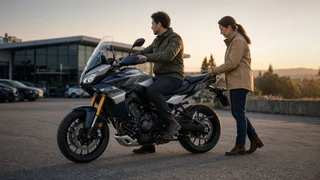
Sit on the bike in your riding boots and gear, with someone holding it upright, so you can judge your reach to the ground realistically. Try the seat in each available height position and note which one suits both footing and knee comfort. Check handlebar reach with your elbows slightly bent and your back relaxed. If you ride two-up, have your usual passenger sit on the bike too, and check their knee angle and grab-handle reach. Test ride at highway speed with the windscreen at different settings to judge wind noise and buffeting. Confirm which comfort features come with the specific model year and trim, since equipment differs between the GT and GT+ and across years.
Bottom Line
The Yamaha Tracer 9 GT is a flexible sport-tourer for riders of many sizes. Adjustable seating and controls, an upright riding position and touring equipment designed for two-up riding all contribute to that. Its main fit limits are a seat that can feel tall for shorter riders and a slightly compact knee bend for very tall riders and passengers. Wind protection also varies from rider to rider. A careful in-person fitting and a highway test ride will tell you more about how it suits you and your passenger than any general description can.