Wrong transmission fluid in car: what happens and what to do
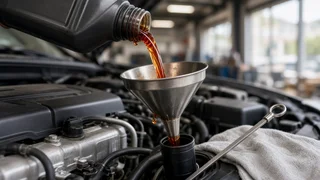
Putting the wrong transmission fluid in a car can quickly change how it shifts, but the outcome depends on the amount added, the transmission type, and whether the vehicle was driven afterward. A mismatch may disturb the friction modifiers, viscosity, and hydraulic response that the clutches, gears, and valve body expect. The practical response is to stop driving, identify the product poured, and compare it with the correct fluid specification before the fluid circulates through the torque converter and cooler circuit.
Essential answer
The essential answer is that incorrect transmission fluid can produce delayed engagement, slipping, harsh shifts, overheating, and accelerated wear, yet early correction often prevents lasting damage. Much depends on how far the wrong product traveled through the system. If the engine was not started, the fluid may remain largely in the pan or fill passage, where a drain and refill is more straightforward. If the car was driven, the incompatible product reaches the clutch packs, bands, and hydraulic controls more thoroughly.
Fitment matters because automatic, continuously variable, and dual-clutch transmissions require fluids with different additive packages and friction behavior. Two fluids may appear similar on the shelf but behave differently under shift pressure and heat. Recording the product poured, the approximate amount, and whether the vehicle was started gives a repair shop useful information. That service history helps determine whether a simple drain and refill is sufficient or whether the shift behavior and diagnostic codes require closer attention.
How it works
Transmission fluid works as a hydraulic medium as well as a lubricant and coolant. In an automatic transmission, it transfers force through the torque converter, applies pressure to clutch packs, and cools internal parts while keeping seals conditioned. Friction characteristics are matched to the clutch material so engagement occurs smoothly rather than with prolonged slip or sudden grab. If the wrong product alters viscosity or friction behavior, shift timing changes and the friction surfaces can generate more heat than the cooling circuit can remove.
A manual gearbox uses its fluid differently. The lubricant must protect gears, bearings, and synchronizers while allowing the synchronizer rings to match shaft speeds during a shift. A mismatched product may make the shifter feel notchy or create gear rattle under load. Some manual units call for automatic transmission fluid, while others need a dedicated gear oil, so the transmission type and the manufacturer's fluid specification are more important than the broad category name printed on the bottle.
Strengths, limitations and suitability
The main advantage of correcting the mistake early is that normal shift behavior and cooling performance may return before the friction material or seals are damaged. When the wrong fluid has not been circulated, much of it may still sit in the pan or fill tube, making repair simpler and less expensive. The limitation is that many automatic transmissions store a large portion of fluid in the torque converter and cooler lines, so a single drain may leave a diluted mixture of the incompatible product in circulation.
The suitability of the repair also depends on the unit's condition. A transmission with clean fluid and a normal service history is more likely to tolerate a brief mismatch than one with aged seals or worn clutches. The correct product is identified by the specification listed in the owner's manual or on the dipstick tag, not by brand recognition. An expensive fluid without the right approval offers no advantage, while a properly specified product is the better fit even at a lower price.
Procedure
After a wrong-fluid fill is noticed, avoid starting the engine if it has not already been run. If the car must be moved, keep the distance as short as possible. Confirm what product was poured and compare it with the required fill. The correction begins with draining the pan, but on many vehicles only part of the total capacity is removed at one time because the torque converter and cooler circuit retain fluid. A single drain and refill may therefore leave a diluted amount of the wrong product.
For more complete removal, a qualified shop can perform a fluid exchange, but the condition of the transmission should be assessed first because disturbing old debris can create new problems in a worn unit. After refilling with the correct specification, the level must be checked at the temperature and shift position the manufacturer requires. A short test drive should focus on engagement, shift timing, and unusual noise. If shifts still flare, slip, or feel harsh after correction, stop driving and have the unit inspected.
Diagnosing a problem
Symptoms after a suspected wrong fill should guide diagnosis rather than immediately condemn a major component. Delayed drive engagement, flaring upshifts, harsh downshifts, shudder, or whining can indicate incompatible friction properties, aeration from overfilling, or a level that is too high or low. The first observable check is the fluid level and condition on a level surface with the transmission at the specified operating temperature. Foamy fluid suggests the wrong anti-foam chemistry or an incorrect fill level, while a burnt odor and dark particles point to heat distress.
Diagnostic codes may also reflect fluid incompatibility without proving a part has failed. A ratio error, pressure-control fault, or shift-timing code can appear because the wrong product changes hydraulic response. Manufacturer-dependent code definitions require vehicle-specific confirmation, so a code reader result should be paired with observation of live data such as shift adaptives and temperature. If the transmission will not engage a gear, smells strongly of burning, or shows large metallic particles in the fluid, stopped use and professional diagnosis are the safer next steps.