Working With an Auto Insurance Claims Adjuster
The Short Answer
An auto insurance adjuster is the person who investigates a car insurance claim, decides what the policy covers, estimates the loss and proposes a settlement. In most US claims, the adjuster works for or on behalf of an insurance company, not for you. That does not make the process adversarial, but it means your job is to supply clear, accurate information and to understand your own policy well enough to recognize a fair offer. How the process plays out depends on whether you are claiming against your own policy or another driver's, on your state's insurance rules, and on the exact wording of the policy involved.
What an Auto Claims Adjuster Actually Does
Once a claim is reported, an adjuster is assigned to manage it. Depending on the insurer and the size of the claim, one person may handle everything, or separate adjusters may handle vehicle damage, injuries and liability. Their core tasks usually include:
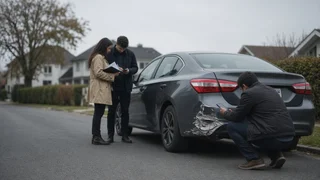
Confirming coverage: checking that the policy was active and that the type of loss is covered. Investigating the incident: reviewing the police report if one exists, photos, statements from drivers and witnesses, and sometimes the scene or vehicle data. Determining fault: in third-party claims, deciding how much responsibility each driver bears, which shapes who pays and how much. Appraising damage: inspecting the vehicle in person, through photos submitted by app, or by relying on a repair shop's estimate. Evaluating injury claims: reviewing medical records and bills when bodily injury or medical payments coverage is involved. Negotiating and settling: making an offer, handling counteroffers and issuing payment once an agreement is reached.
Types of Adjusters and How They Differ
Not every adjuster has the same employer or the same loyalties. Knowing which kind you are dealing with helps set expectations.
Adjuster type | Who they work for | When you typically encounter one; Staff (company) adjuster | Employed directly by the insurance company | Most routine auto claims, especially for larger insurers; Independent adjuster | A contractor or firm hired by the insurer | High claim volume after storms or regional events, remote areas, or insurers that outsource field inspections; Public adjuster | Hired and paid by the policyholder | Mostly property claims; their role in auto claims is limited and varies by state; Desk or field appraiser | The insurer, focused only on vehicle damage | Inspections and repair estimates, sometimes separate from the adjuster making coverage decisions
Staff and independent adjusters both represent the insurer. A public adjuster represents you, but licensing rules and whether they may handle auto claims at all differ from state to state, so check before assuming one is available. For disputed injury claims, policyholders more often turn to a personal injury attorney than a public adjuster.
First-Party vs. Third-Party Claims
A first-party claim is one you file with your own insurer, for example under collision, comprehensive, uninsured motorist or medical payments coverage. Here the adjuster's company has a contractual duty to you under the policy, and most states impose good-faith claim-handling standards on insurers toward their own customers.
A third-party claim is one you file against the at-fault driver's liability coverage. That adjuster's obligations run primarily to their own policyholder, and their task includes limiting what the company pays. Expect more scrutiny of fault and damages, and be more careful about what you say. In no-fault states, injury claims usually start with your own personal injury protection coverage regardless of fault, which changes who you deal with first.
Preparing Before You Talk to the Adjuster
Good organization speeds up a claim and reduces disputes. Before or soon after the first conversation, gather:
Your policy declarations page and the claim number. The police or incident report number, if a report was made. Names, contact details and insurance information for the other drivers involved. Witness names and contact details. Photos of all vehicles, the scene, road conditions and any visible injuries. Repair estimates, towing and storage receipts, and rental car records. Medical records, bills and notes on time missed from work, if you were hurt. A written timeline of the accident and every call or message with the insurer, including dates and the name of the person you spoke with.
Communicating Effectively
Stick to facts you know. Describe what happened without guessing at speeds, distances or the other driver's intentions, and avoid apologizing or assigning blame, since casual remarks can be read as admissions. If you do not know an answer, say so rather than estimating.
Your own insurer usually requires your cooperation, including giving a statement, and refusing can jeopardize coverage. The other driver's insurer generally cannot compel you to give a recorded statement, though declining may slow their evaluation. If you agree to one, you can ask what topics it will cover and keep answers brief and accurate. If injuries are significant or fault is disputed, many people consult an attorney before giving a recorded statement to the other side.
Follow up important phone conversations with a short written summary by email or through the insurer's claim portal. This creates a record of what was agreed and when.
Vehicle Damage, Repairs and Total Losses
The adjuster or appraiser will produce a damage estimate. Initial estimates often miss hidden damage, and it is normal for a shop to find more once the vehicle is disassembled. The shop then submits a supplement, and the insurer reviews it for additional payment.
Many states allow you to choose your own repair shop rather than one in the insurer's network. Network shops can be convenient and may come with an insurer-backed repair guarantee, but the choice is usually yours. Ask whether the estimate specifies original equipment manufacturer parts, aftermarket parts or used parts, since policies and state rules differ on what insurers must pay for.
If repair costs approach or exceed a threshold relative to the vehicle's value, the insurer may declare it a total loss and pay its actual cash value, meaning its market value just before the accident rather than the cost of a new car. Total loss thresholds and valuation methods vary by state and insurer. Ask for the valuation report, check that it reflects your vehicle's correct trim, mileage, options and condition, and provide evidence such as maintenance records or comparable local listings if you believe the figure is low. If you owe more on a loan than the payout covers, gap coverage, if you have it, may address the difference.
Handling Injury Claims
Injury claims take longer because the full cost of treatment may not be known for some time. Settling before your medical condition is clear can leave you without compensation for later care, since a signed release normally ends the claim. Keep all records, follow your doctor's treatment plan and be cautious about signing medical authorizations that are broader than the accident requires. Injury claims are where professional legal advice most often makes a meaningful difference.
When You Disagree With the Adjuster
A first offer is not necessarily final. If you think it is too low or a coverage decision is wrong, these steps are commonly available:
Ask for the decision and its reasoning in writing, including the specific policy language relied on. Submit a written counter with supporting documents, such as independent repair estimates or comparable vehicle listings. Request that the claim be reviewed by a supervisor or claims manager. Check whether your policy has an appraisal clause, which lets each side hire an appraiser to resolve disputes over the amount of a loss, with an umpire deciding if they disagree. File a complaint with your state's department of insurance if you believe the claim is being handled unfairly or delayed without reason. Consult an attorney, particularly for injury claims, large losses or denials you believe are improper.
Timing and Deadlines
Policies typically require prompt notice of an accident, and states set deadlines for filing lawsuits over property damage and injuries. Many states also set time standards for insurers to acknowledge, investigate and pay claims. These timeframes differ by state and by policy, so review your policy's conditions section and your state insurance department's guidance rather than relying on a general rule.
Key Takeaways
An auto insurance adjuster evaluates coverage, fault and damages on behalf of an insurer, so understanding whose interests they represent is the starting point. Document everything, communicate factually and in writing where possible, verify estimates and total loss valuations, and avoid settling injury claims before the full picture is clear. If a disagreement cannot be resolved through negotiation, the appraisal clause, a regulatory complaint or legal advice are the usual next steps.