Winter Tires for Electric Vehicles: Weight, Range and Noise
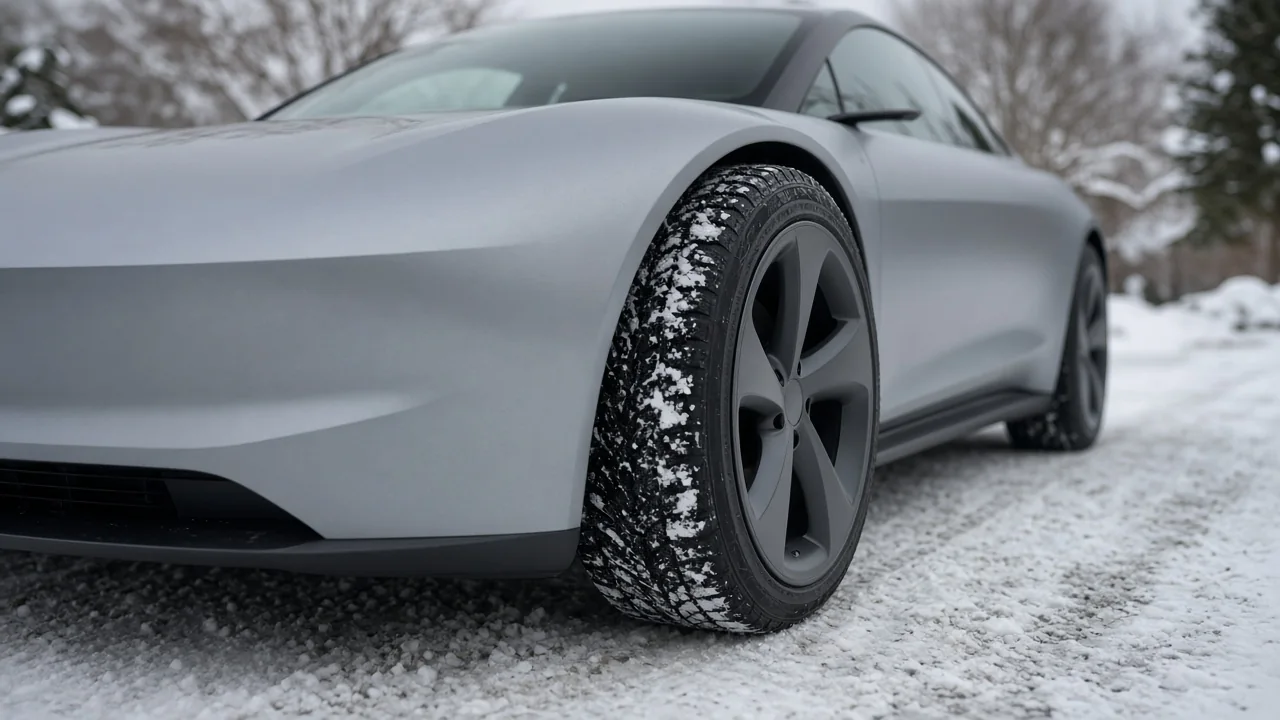
Winter tires for Tesla Model Y and Tesla Model 3 owners raise the same questions as winter tires for electric vehicles in general: how extra mass and instant torque change traction needs, how tread and rolling resistance affect winter driving range, and how cabin quietness makes tire road noise more noticeable. Choosing winter tires for EV use still starts with local snow conditions, approved wheel fitment, and the vehicle's load and pressure guidance.
What Winter Tires Need to Do on an Electric Vehicle
Winter tire compounds stay more flexible as temperatures drop, so the rubber can still follow small surface irregularities instead of hardening. Siping and snow-oriented tread blocks help pack and evacuate snow and slush, which supports traction for winter tires for electric cars that carry battery mass and can deliver strong launch torque. That chemistry and geometry improve cold-weather bite compared with many summer or all-season designs, yet they cannot promise grip on ice, packed glaze, standing water, or untreated pavement. Surface condition, speed, and driver inputs still decide whether the tire can use the available friction.
The three-peak mountain snowflake symbol indicates that a tire met a standardized snow-traction test, not that it is rated for every winter surface or every electric vehicle. All-wheel drive, traction control, and regenerative braking can help manage slip after a tire starts to lose grip, but they do not create friction the rubber cannot generate. Winter tires for electric vehicles should still be chosen around local winter severity, approved fitment, load capacity, and how the car is actually driven, including commuting, highway miles, and occasional unplowed roads.
Load Ratings, Tire Pressure, and Torque Demands
Before buying winter tires for EV duty, read the tire placard, owner's manual, and applicable manufacturer guidance for size, inflation pressure, and construction notes. The tire load index is a numeric rating of how much mass a tire is designed to carry at a stated pressure; some electric cars specify extra-load or reinforced markings because of battery weight, while others do not. Matching or exceeding the required load index matters more than assuming every EV needs the same construction. Speed rating and size still must match published requirements for that vehicle, wheel, and axle.
Instant torque, hard launches, underinflation, and misalignment can all increase heat and scrub at the contact patch, which can accelerate irregular wear even when the tire itself is otherwise suitable. That does not mean winter tires wear at a fixed rate on every electric vehicle; driving style, route, and maintenance still dominate. Check inflation pressure when the tires are cold, look for cuts, bulges, embedded objects, and uneven shoulder wear, and have a professional inspect anything abnormal. The tire pressure monitoring system can flag a drop, but a visual and gauge check still belongs in a winter routine.
Understanding Winter Tire Effects on Driving Range
A winter tire's construction, deeper tread, and typically higher rolling resistance can ask the motor to work harder to keep the vehicle moving, which can show up as higher energy use. Underinflation adds flex and heat, which can further raise consumption, so specified inflation pressure remains part of range management. Winter driving range is not a tire-only number. Cold batteries deliver energy less readily, cabin heating draws power, and wind, snow, and slush all increase drag and rolling effort, so a shorter trip estimate cannot automatically be blamed on the tire change.
Fixed range-loss percentages are not reliable because the outcome depends on the vehicle, the specific tire, pavement temperature, snow depth, speed, and the route's hills and stops. A Tesla Model 3 on a dry highway in light cold will not consume energy the same way a Tesla Model Y will in deep slush with heat on. Monitor energy use after the swap, leave extra charging margin on longer winter trips, and keep pressures at the specified cold values rather than chasing a lower rolling-resistance number by underinflating. Traction and load capacity still outrank a small efficiency gain.
Road Noise and the Meaning of EV Tire Markings
Tire road noise on an electric vehicle is easier to notice because there is little engine sound to mask it. Aggressive winter tread blocks, coarse pavement, higher speeds, and a quiet cabin can all raise the pitch or volume a driver hears. Some tires use acoustic foam inside the carcass to damp cavity resonance, which can reduce a particular drone, but foam does not guarantee a quiet ride and is not a requirement for every EV. Perceived noise also changes with worn tread, temperature, and whether the tire is on a smooth highway or a broken winter surface.
EV tire markings and related branding describe features the tire maker associates with electric-vehicle use, such as load emphasis or noise treatments, but those marks alone do not establish winter capability or prove compatibility with a given car. Read the three-peak mountain snowflake symbol, load index, size, and the tire maker's documentation together. Ordinary winter road noise is usually a steady hiss or patterned hum. New vibration, a rhythmic thump, or a sudden sound change after a curb or pothole is a reason to inspect the tire, wheel, and inflation rather than assume the compound is simply loud.
Checking Winter Tire Fitment for a Tesla Model 3
Tesla Model 3 winter tires should be selected only after confirming model year, version, the wheels already on the car, and the manufacturer's published tire requirements. A listing advertised as winter tires for Tesla Model 3 can still be the wrong size, load index, or speed rating for that specific car, especially when wheel diameters and axle loads differ across versions. Marketing fitment is a starting hint, not a substitute for the placard and owner's information. Verify each of those values on the tire sidewall against the vehicle's stated needs before purchase or mounting.
If the winter setup is a complete wheel-and-tire package, a qualified installer should confirm wheel dimensions, brake clearance, and tire pressure monitoring system compatibility, including sensors the vehicle can actually read. Match tires across the vehicle according to manufacturer guidance rather than mixing leftover sizes or mixing winter and all-season rubber on the same car. An existing winter set still needs a condition check for remaining tread, sidewall damage, cracking, and whether the load index still meets current requirements before it goes back on.
Checking Winter Tire Fitment for a Tesla Model Y
Selecting winter tires for Tesla Model Y starts with the model year, version, wheel configuration, and specified tire requirements, because wheel diameters and axle loads vary across the lineup. Tesla Model Y winter tires may need different front and rear specifications on some configurations, so both axles have to be checked rather than copying one catalog listing. Staggered setups and different wheel widths can change load and size needs. The sidewall load index and size must still satisfy the placard and manufacturer notes for that axle.
Have a qualified tire professional confirm load capacity, wheel clearance, and tire pressure monitoring compatibility for any proposed winter package, including dedicated winter wheels. After installation, confirm cold inflation pressure matches the specified values, that tire-pressure alerts have cleared, and that the vehicle tracks without new vibration or rubbing at full lock and over typical bumps. Rubbing, a persistent pressure warning, or a shake that was not present before the swap is a reason for immediate professional follow-up rather than waiting to see if it settles.