Winter Car Cleaning: Snow, Salt and Cold-Weather Washing
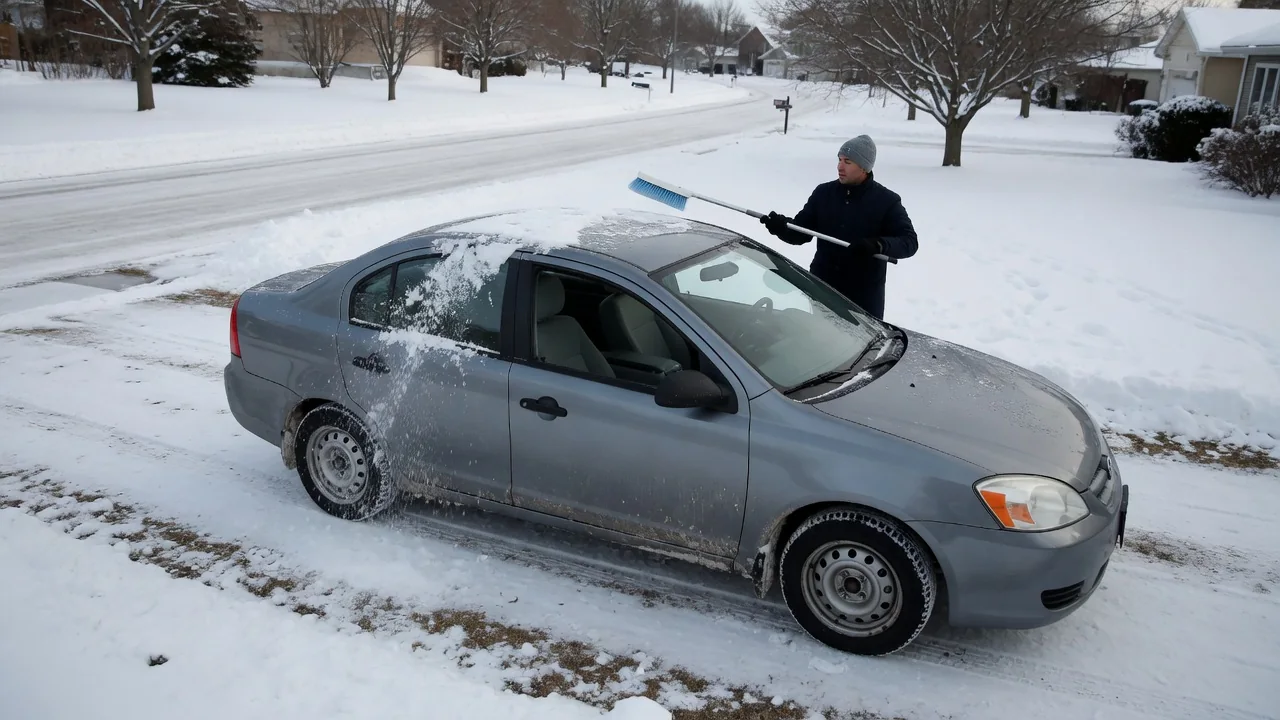
Winter car cleaning is more than a tidy appearance. Clearing snow, managing ice, and rinsing road salt protect paint, glass, and the underside in cold weather. Car cleaning after snow starts with the right tools and secure footing, then proceeds from the roof down. Wash only when conditions allow, and dry freeze-prone spots so leftover water does not become a new problem.
Prepare the Car and Choose Snow-Clearing Tools
Before any car snow cleaning, park on a secure surface away from moving traffic and check the ground you will stand on. Packed snow and ice underfoot can send you sliding into the vehicle or into a travel lane. Give yourself room to work around all four sides without stepping into traffic. If the lot is glazed or steeply sloped, wait or move the car. A rushed start on slick pavement is how cleaning snow from a car turns into a fall or a body scrape.
Choose a foam snow tool or an automotive snow brush made for painted surfaces, then inspect the head and bristles for trapped grit before the first pass. Grit held in a dirty brush behaves like sandpaper once you press it into cold, brittle clearcoat. Keep an automotive ice scraper for approved glass only, and keep that edge away from paint, trim, and camera lenses. Check the owner's manual for limits on wipers, heated glass, and exterior sensors so you do not pry against a frozen blade or press a hard tool against a camera housing.
Remove Loose Snow From the Roof Down
Start at the roof and work downward with short, lifting or pushing strokes that move loose snow without grinding it into the finish. Long, heavy drags smear grit along cold paint. Cover the roof, hood, and trunk so a slab cannot slide onto the windshield or blow into traffic as you drive away. A roof left loaded is a hazard for the driver behind you when the pile shifts at speed. Working from the top down also keeps you from tracking already-cleared snow back onto glass you just opened.
Clear windows, mirrors, lights, and license plates so you can see and be seen, then gently uncover exterior cameras and sensors rather than scraping across their housings. A thin frozen film on painted panels is often better left to thaw than forced loose with a hard edge. Pushing ice off cold paint can lift clearcoat or drag sand across the panel. Let the cabin warm and the sun or ambient air loosen that skin, then lift it with a clean foam head. Forcing a bonded sheet is how cleaning a car in winter leaves swirl marks.
Release Ice Without Damaging Glass, Paint or Wipers
Use the vehicle's defrost functions as the owner's manual describes, with any engine running outdoors and the exhaust outlet clear of snow. Warm air from inside loosens ice on glass more evenly than a sudden thermal shock. Hot water on frozen glass or paint can crack a cold pane or create refreezing water that turns to a slick sheet on the driveway. Metal tools and aggressive scraping gouge glass, nick paint, and chew wiper rubber. The goal is to melt or lift ice, not to chisel it off.
Allow frozen wiper blades to release before you operate them. Pulling a stuck blade can tear the rubber or bend the arm, and forcing a frozen door can rip a weatherstrip or strain a latch. If an automotive deicer is labeled for the surface you need, follow that label and keep the spray off unlisted plastics, paint, and camera lenses. Do not leave until glass, mirrors, and lights give clear driving visibility. Partial peepholes are not enough; winter car cleaning is unfinished until you can see clearly before you pull into traffic.
Decide Whether Conditions Allow a Safe Winter Wash
Car cleaning in winter is not governed by one universal temperature cutoff. Air temperature, panel temperature, wind, drainage, and the forecast all matter. A still, slightly above-freezing afternoon with sun on dark paint is a different job from a windy evening when surfaces are already below freezing. Wind strips heat from wet metal and can freeze rinse water in minutes. Look at whether wash water will run off the driveway or sidewalk without pooling where it can glaze. If the next hours will drop hard, postpone.
Wash water can freeze on the vehicle after you finish, locking door seals, handles, and wipers, and it can glaze the pavement you walk on. That is a reason to postpone an outdoor wash or to use a facility built for freezing weather, with indoor bays, heated water, or a path that stays drained. Plan enough time and a suitable space to dry the car before it returns to freezing air. A rushed rinse that leaves standing water in jambs and mirrors often creates more ice than the road salt you hoped to remove.
Rinse Salt From Lower Panels, Wheel Wells and the Underside
Salty moisture left on lower bodywork can contribute to corrosion, especially where grit holds brine against metal, seams, and fasteners. Visible white road salt residue on rocker panels is only the part you can see; hidden cavities, the underside, and packed wheel wells can stay wet long after the paint looks clean. That is why snow cleaning on a car should include more than a wipe of the hood. When you do wash, rinse loose grit first so you are not rubbing abrasive sand through an automotive shampoo later.
Rinse accessible lower panels and wheel wells, and use an appropriate undercarriage rinse without crawling beneath an unsupported vehicle. Follow vehicle and equipment guidance for spray pressure and distance, and keep a concentrated stream out of door seals, electrical connectors, and any damaged coating. High pressure driven into a torn underbody panel can pack water where it will sit. Base washing on salt exposure, accumulated grime, and a safe opportunity, not an invented calendar. Follow the shampoo maker's directions once grit is off, then rinse thoroughly so detergent does not dry on cold paint.
Dry Freeze-Prone Areas and Maintain Exterior Protection
Dry accessible door jambs, door seals, handles, and mirrors with clean towels, paying attention to pockets that hold water after a rinse. Those spots freeze first and can glue a weatherstrip to painted metal or lock a handle overnight. Check that doors, windows, and wipers operate freely before you leave. If something has already refrozen, do not force it; return to defrost, a labeled deicer on approved surfaces, or a warmer space. Toweling the edges of glass also reduces drip lines that freeze into the wiper path.
Wax or a paint sealant can support winter paint protection by helping water sheet off and making road film easier to rinse, but it does not replace salt removal. Follow the product's application temperature and curing requirements; many coatings will not bond or harden correctly on a cold, damp panel. Washing also cannot prove the structure is sound. If you see bubbling paint, flaking underbody coatings, or other signs that suggest corrosion, have the vehicle inspected professionally. Winter washing maintains the finish you can reach; it is not a substitute for looking underneath with proper equipment.