Windshield Washer Pump Replacement: Symptoms, Cost and Process
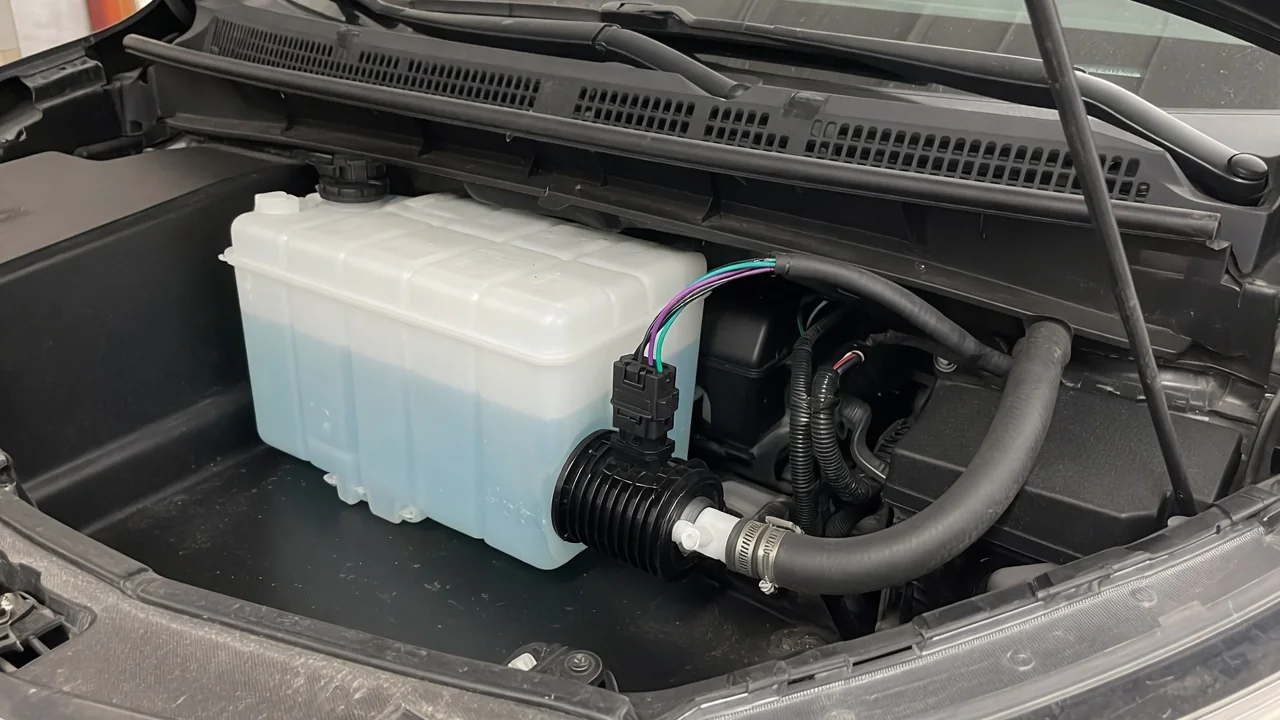
A windshield wiper fluid pump is a small component with a big safety role: when it quits, road grime, salt film, and bug residue stay on the glass. This guide explains how the windshield wiper washer pump works, which symptoms deserve a closer look, what replacing it generally involves, and which factors shape windshield wiper pump replacement cost, so you can approach diagnosis and repair decisions with realistic expectations.
How the Windshield Washer Pump Delivers Fluid
When you pull the washer stalk or press the washer button, a switch energizes the washer pump motor, a small electric motor paired with an impeller that pushes fluid out of the washer fluid reservoir. Pressurized fluid travels through washer fluid hose lines, sometimes passing check valves or connectors, before reaching the windshield spray nozzles on the hood or cowl. Because the pump moves fluid only while energized, the delivery you see depends on healthy electrical supply, an adequate fluid level, an unrestricted path, and nozzles aimed correctly at the glass.
Many drivers call this part a windshield wiper pump, a wiper fluid motor, or simply the motor for windshield wiper fluid, and those names usually mean the same washer pump. It is separate from the wiper motor that sweeps the arms across the glass, so wipers that move normally do not prove the washer side works. The pump commonly plugs into the reservoir through a rubber grommet, often low on the tank. Its exact location, access, and whether front and rear washers share one pump depend on the vehicle.
Symptoms That Can Point to a Washer Pump Problem
The most obvious clue is spray that is absent, weak, or intermittent. A weak washer spray might come from a tired pump, but clogged nozzles, a kinked hose, a cracked line, or low fluid can produce the same result. Intermittent operation can trace to a loose electrical connector or a failing switch as easily as to the pump itself. None of these symptoms alone confirms that the windshield wiper fluid pump has failed, which is why a short diagnosis usually comes before replacement parts are ordered.
If you hear the pump humming but nothing reaches the glass, the reservoir may be empty, the fluid path may be restricted or frozen, a hose may have slipped off, or the pump may be running without moving fluid. Silence during activation points elsewhere: the pump, the washer pump fuse, the wiring, the connector, or the control circuit. Visible fluid loss or a puddle near the reservoir is a reason to inspect the reservoir, hoses, and pump seal before choosing a repair, since a leaking grommet can mimic a failed pump.
Safe Checks Before Authorizing Pump Repair
Start with the vehicle parked, the engine off, and the ignition switched off. Check the fluid level in the washer fluid reservoir and look at accessible hoses and connections for cracks, loose fittings, or wet residue. In cold weather, fluid not rated for low temperatures can freeze in the reservoir, pump, or lines and stop delivery entirely. If fluid may be frozen or the reservoir is empty, avoid holding the washer switch repeatedly, because running a pump without flowing fluid can add heat and wear.
A brief listening check can help: with a helper activating the washer, stand clear of the wipers and keep hands away from moving engine components while listening near the reservoir. For the fuse, use the owner's manual to identify the correct fuse and its specified rating, and never substitute a higher rating. A fuse that blows again needs diagnosis for a short or overloaded circuit. When the pump stays silent with a good fuse, or fluid still will not flow, professional electrical and fluid-delivery testing is the sensible next step.
What Windshield Washer Pump Replacement Involves
Replacing a windshield wiper fluid pump generally follows a predictable sequence. A technician confirms the fault, gains access to the pump, manages the remaining fluid, replaces the necessary components, reconnects the harness and hose, refills the reservoir, and tests the system. On some vehicles the pump is reachable after removing a wheel-well liner or splash shield; on others the reservoir must be partially lowered or a body panel removed. When the job requires lifting the vehicle or substantial disassembly, professional service is usually the safer and more practical choice.
Before ordering parts, confirm vehicle-specific fitment, including the electrical connector shape, the number and direction of hose outlets, and whether a new pump seal or grommet is required. In most cases, a windshield wiper fluid motor replacement actually means replacing the whole pump assembly, because the motor and impeller are rarely sold separately; the vehicle determines which parts are serviceable. Washer fluid often contains alcohol or other chemicals, so drain it into a container, handle it according to its label, and keep spills away from children and pets.
What Determines Washer Pump Replacement Cost
A clear estimate for windshield wiper pump replacement cost usually breaks into several lines: diagnosis, the pump or assembly, any seals, grommets, or fluid, labor, and applicable shop charges and taxes. Access has a large influence, since a pump reachable through a liner takes less time than one requiring bumper or reservoir removal. Vehicle configuration matters too, especially when front and rear washers share hardware. Part selection between original-equipment and aftermarket pumps, plus local labor rates, explains much of the difference between one shop's total and another's.
As a broad planning range only, not a local quote, many straightforward jobs involve a pump costing somewhere around $20 to $100 and labor that often runs from a fraction of an hour to roughly an hour and a half, putting many totals near $75 to $250. Difficult access, dealer parts, or higher regional rates can push the windshield wiper fluid motor replacement cost well beyond that. If the reservoir is cracked or wiring is damaged, that work should appear as separately explained items on the estimate.
Confirming the Repair and Restoring Clear Visibility
After windshield wiper pump repair, activation should produce prompt fluid delivery with spray patterns that cover a useful portion of the windshield, not just a thin stream at the edge. Check around the reservoir and the new pump seal for drips after several cycles. If spray remains poor, a second pump is rarely the answer; the remaining fluid path, including hoses, check valves, and windshield spray nozzles, along with the electrical supply, deserves attention. Clogged nozzles and weak voltage at the connector can both limit output even with a new pump.
Choose washer fluid appropriate for the temperatures you expect, since summer blends can freeze, and follow the vehicle's fluid guidance in the owner's manual. A working washer system matters most before travel in dirty or wintry conditions, when salt film, mud, or spray from trucks can smear across the glass within seconds. If grime or glare leaves you unable to see the road clearly and the washers cannot clear it, pull over safely and clean the windshield by hand rather than continuing to drive with impaired visibility.