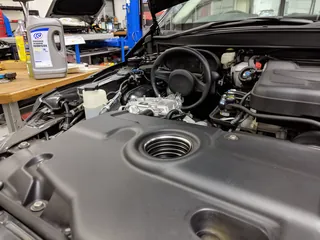
Will an Engine Flush Improve Oil Pressure
Low oil pressure can point to worn bearings, a tired pump, a restricted pickup screen, or simply degraded oil that no longer flows as intended. Drivers sometimes consider an engine flush before changing the oil, hoping the solvent-based cleaner will dissolve sludge and restore healthy pressure. Whether that helps depends on why pressure fell, the engine’s condition, and the type of flush used. The answer is not universal: a flush can improve oil pressure in some restricted-lubrication situations, yet it may do nothing for mechanical wear or even make a fragile engine worse.
Essential answer
A chemical engine flush can improve oil pressure when the drop comes from sludge or varnish narrowing oil galleries, restricting the pickup screen, or limiting flow through the filter and hydraulic surfaces. The flush circulates solvent compounds with the old oil, softening deposits so they drain away with the waste lubricant. If that restriction was the main cause, the fresh fill and new filter may produce a noticeable increase on the gauge. The improvement is not guaranteed because oil pressure reflects the entire lubrication circuit, not one isolated passage.
The effect is different when low pressure stems from worn main or rod bearings, an aging oil pump, or a pressure relief valve that is stuck open. A flush cannot restore lost bearing clearance or rebuild a weak pump. It may also dislodge large deposits that temporarily challenge the new filter or narrow small passages, especially in an older engine with unknown service history and questionable lubricant specification adherence. Before using a flush, confirm the oil level, fill quantity, and service interval are correct, and verify the equipment identification and manufacturer approval for any cleaner recommended for that engine family.