Why Is My Engine Burning Oil? Causes and Safe Next Steps
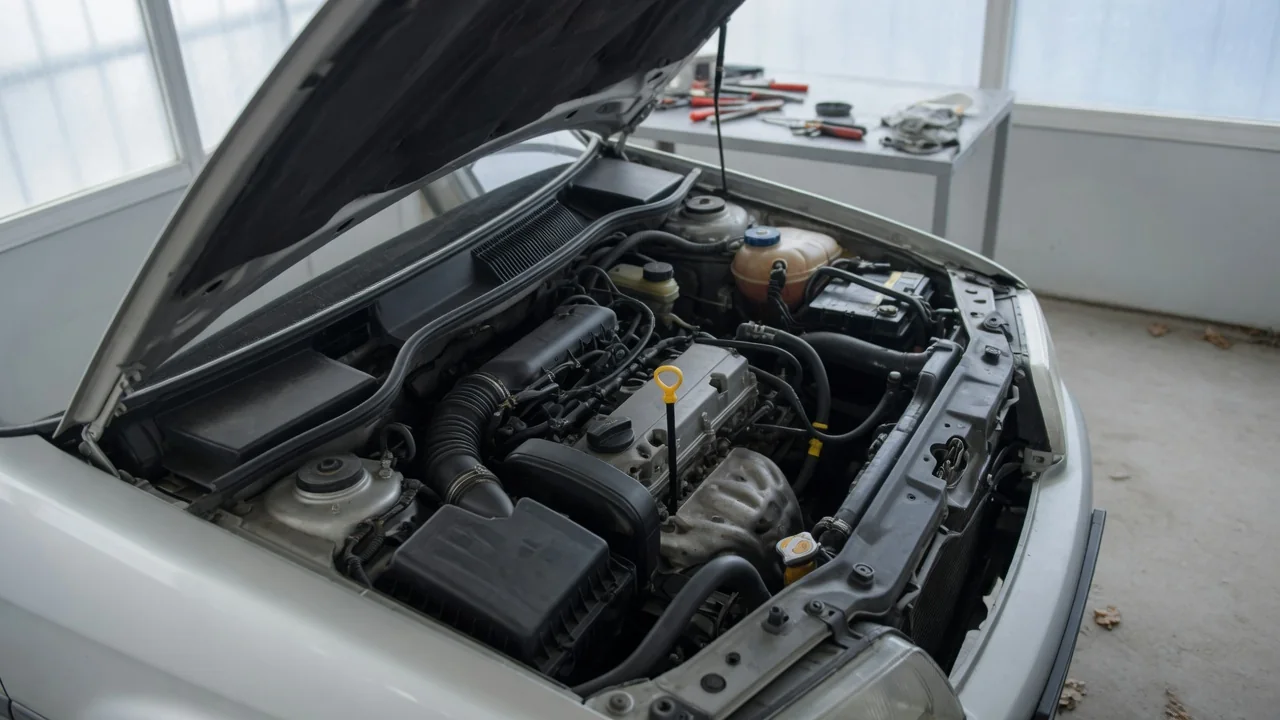
If you have been asking why your engine is burning oil, the answer depends on where the oil goes and how quickly it disappears. A car burning engine oil may have worn internal parts, a crankcase ventilation problem or a simpler issue, and oil loss that looks like burning is sometimes a leak. Knowing what causes an engine to burn oil, how to track the loss and when to stop driving helps protect the engine and gives a technician useful evidence.
What Burning Engine Oil Means
Engine oil is meant to lubricate moving parts and stay in the crankcase, but a small amount always reaches the combustion chambers. The thin film left on the cylinder walls is exposed to combustion, and oil mist can travel through the crankcase ventilation path into the intake. When that oil ignites with the air-fuel mixture, it is used up and leaves with the exhaust. Oil burning becomes a concern when more oil than normal gets past the rings, valve guides or other seals and the level drops faster between oil changes.
A falling dipstick reading doesn't prove that the engine burns oil. External leaks from gaskets, seals, the oil filter or the drain plug can cause the same loss. You may also see no smoke, because slow oil burning can be too light to notice, and the catalytic converter can hide some of it. How much oil is used, whether that rate is changing and what the manufacturer considers acceptable for your engine all decide how seriously to treat the problem.
Symptoms That Can Accompany Oil Consumption
Blue or blue-gray exhaust smoke is the classic sign that an engine burns oil, but color alone is not a diagnosis. Lighting, condensation, and coolant or fuel problems can all change what you see. It helps to note when the smoke appears. A puff at startup, a cloud after long idling or smoke during hard acceleration gives a technician a useful starting point. Timing alone can't tell whether valve stem seals, oil control rings or another part is responsible.
Other clues include frequent top-offs, a burning-oil smell, rough running, and oily deposits on spark plugs or around the tailpipe. Each of these can have more than one cause. For example, oil leaking onto a hot exhaust manifold can create a sharp smell and even wisps of smoke from under the hood without any oil reaching the combustion chambers. One of the first things a diagnosis has to settle is whether the problem is an external leak or internal oil consumption.
How Oil Gets Into the Combustion Process
The piston rings are a major barrier. Oil control rings scrape extra oil off the cylinder walls and send it back to the crankcase. If they wear out, lose tension or stick in their grooves from carbon buildup, too much oil stays on the walls and burns. Worn or scored cylinders have a similar effect. At the top of the engine, hardened or cracked valve stem seals and worn valve guides can let oil seep down the valve stems into the intake or exhaust ports.
The PCV (positive crankcase ventilation) system sends blow-by gases back into the intake so they can be burned. A stuck valve, a clogged oil separator or too much crankcase pressure can carry liquid oil along with those vapors. On engines with a turbocharger, worn shaft seals or drain problems can leak oil into the intake or exhaust, and that needs professional diagnosis. Overfilling the crankcase or using oil outside the specified grade can also raise consumption, but don't assume either one is the cause.
How to Track Oil Loss Safely
Accurate tracking starts with checking the oil the same way every time. Park on level ground and follow the procedure in the owner's manual, including whether the engine should be warm or cold and how long to wait for oil to drain back into the pan. Each time, write down the odometer reading, where the level sits on the dipstick or electronic gauge, and exactly how much oil you add. Measure the amount instead of estimating it. Consistent conditions keep normal reading differences from looking like oil consumption.
After several checks, your notes show how much oil the engine uses over a given distance and whether that amount is rising. There is no universal acceptable rate, so compare your results with the manufacturer's guidance for your vehicle. Look for fresh spots under the parked car and oily residue on surfaces you can see. Don't touch hot parts, and never crawl under a vehicle that isn't properly supported. Top off with the specified oil without going past the maximum mark. Adding oil manages the symptom but doesn't fix the cause.
When Oil Consumption Needs Immediate Attention
An oil pressure warning light means you should stop safely as soon as possible and turn the engine off. It's worth checking the dipstick afterward, but a normal level doesn't confirm the oil pump is delivering enough pressure, so don't assume it's safe to keep driving. Knocking or tapping noises, overheating, heavy smoke or a sudden large drop in oil level are also reasons to stop driving and call for help instead of pushing on to your destination.
Even slow oil burning deserves attention. If the level falls too far, bearings and other parts can run short of lubrication and be damaged. Burned oil also leaves deposits that can foul spark plugs, cause misfires, and contaminate catalytic converters and oxygen sensors, which can lead to emissions problems. If consumption is increasing or you keep adding oil between changes, get the engine diagnosed soon, even if the car still seems to drive normally.
What Professional Diagnosis Can Establish
A technician will usually start with the basics. That means inspecting for external leaks, confirming the oil level and specification are correct, checking that the crankcase ventilation system works, and reviewing the service history, such as oil change intervals and past repairs. If the cause isn't obvious, a documented oil-consumption test under the manufacturer's procedure can measure the actual rate of loss. A measured figure supports warranty and repair decisions far better than a driver's memory of how often oil was added.
Further tests can narrow down the cause. A spark plug inspection may show which cylinders have oily deposits. A compression test and a cylinder leak-down test measure how well each cylinder seals, and a borescope can show carbon buildup or damage to the cylinder walls. None of these directly proves that the oil control rings or valve seals have failed. Major engine work should rest on confirmed findings, not on smoke timing or one test result. Additives or an unapproved change in oil viscosity may hide symptoms, but they don't replace a proper diagnosis.