Why Is My Car Making a Rattling Noise?
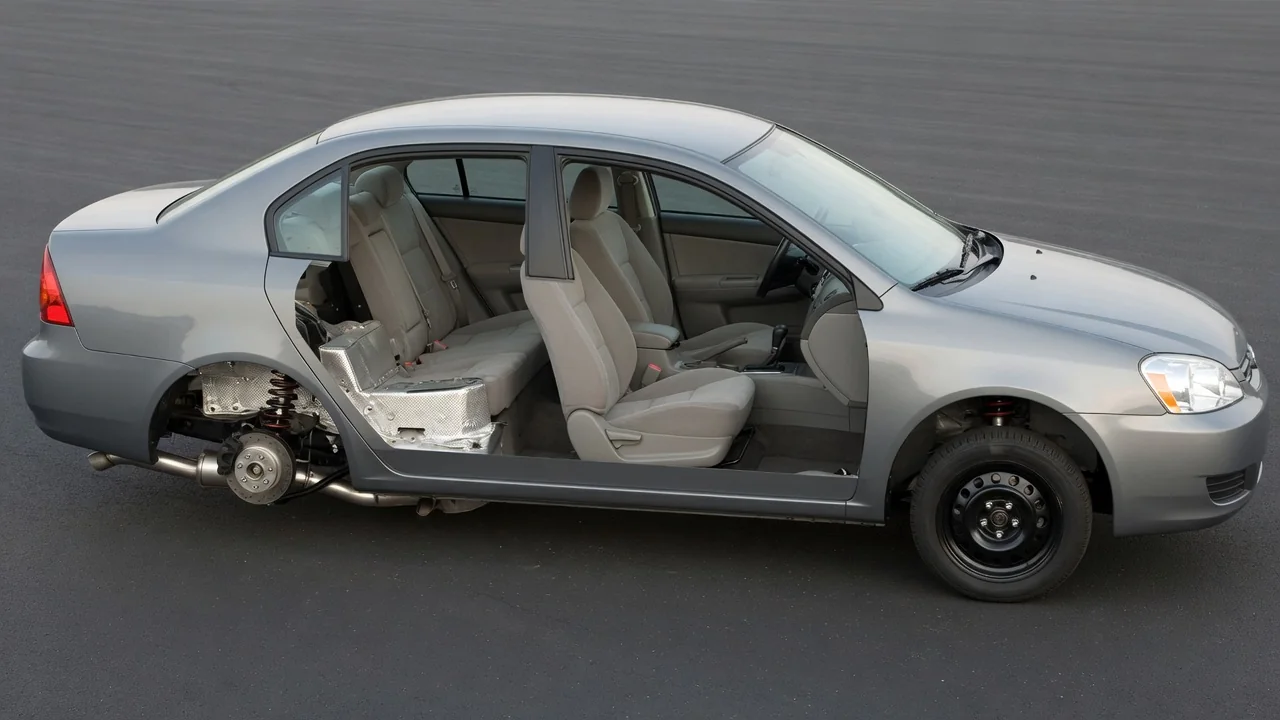
A rattling noise in a car can come from many places, and the sound alone rarely names the cause. Drivers often hear a rattle while driving, when accelerating, or from under the vehicle. Note when the rattling happens, where it seems to come from, and whether engine load or road vibration brings it on. Loose belongings, trim, exhaust hardware, and suspension parts can all produce similar sounds.
Identify When and Where the Rattle Happens
A rattling noise from a car does not identify a failed part. The same buzzing or metallic sound can start with loose belongings, cabin trim, exhaust hardware, suspension components, or other mechanical pieces. Ask where the rattling noise in the car seems loudest, whether the vehicle is cold or fully warm, what the road surface is like, and whether the sound appears only when accelerating or also while the car is stationary. Those details narrow the field without pretending the ear can name the source.
Vibration travels through the body, so a dashboard vibration or a rattle noise under the car can be heard far from the true origin. An underbody rattle may seem to come from the cabin, and a loose interior piece can sound mechanical. After parking, write down what you noticed: location, speed, surface, and whether the car makes a rattling noise only in motion. Leave any audio recording during travel to a passenger so the driver is not distracted.
Check Loose Belongings and Cabin Trim While Parked
Start with items that are easy to reach while the vehicle is parked. Coins, bottles, and tools in cupholders, door pockets, the glove compartment, or the cargo area can create a rattling car noise that tracks every bump. Seat belt buckles, a parcel shelf, and loose cabin trim also chatter during ordinary travel. Secure belongings and check those storage spots before assuming a mechanical problem. Then drive normally and note whether the rattling noise inside the car returns.
If the sound persists after belongings are secured, the next question is whether dashboard, seat, or door panels are vibrating against their fittings. A rattling noise on the car interior can still be harmless trim, but rattles near airbags or seat mounting points deserve professional attention rather than home panel work. Do not remove interior panels to chase the noise. A shop can inspect those areas without disturbing safety equipment, and can tell whether the rattling noise in the car is coming from trim or from something that needs a different repair path.
Understand Rattles That Appear During Acceleration
When a car makes a rattling noise when accelerating, the change in engine load and vibration often makes a loose part speak up. Exhaust contact, heat shield vibration, worn mounts, and other engine-related sounds are all possible, but none of those can be confirmed from the driver's seat. Note whether the rattling noise when accelerating appears only under load, whether it is louder under the car, and whether it happens during ordinary driving rather than only in a single unusual moment.
Some drivers notice a rattling noise in the car when accelerating, then the sound fades as speed settles. That pattern can mean the vibration range is brief; it does not prove the vehicle is safe. Do not use hard acceleration, deliberate lugging, or repeated attempts to provoke the rattle. Watch for warning lights or a loss of power along with the noise. Those extra symptoms, together with when you accelerate, belong in the account you give a technician.
Consider Exhaust and Heat Shield Sources Under the Car
A rattle noise under the car when accelerating often points people toward the exhaust path, and that guess is sometimes useful. A loose heat shield, a deteriorated exhaust hanger, or contact between nearby parts can produce an underbody rattle that changes with engine load. The metallic character and the sense that the rattling noise is under the car are clues, not a diagnosis. Heat shields and supports can buzz without a muffler or pipe having failed, so the sound should not be treated as proof that a specific part is broken.
Limit what you look at to what is visible from a standing position beside the parked vehicle. An obviously hanging component is worth noting; crawling underneath, touching hot parts, or removing a heat shield is not. Inspection of shields, hangers, clearances, and anything inside the exhaust belongs to a professional. If the rattling noise under the car when you accelerate is new or getting louder, describe the metallic quality and the driving conditions rather than naming a failed part.
Recognize Road-Triggered Suspension Rattles
A rattling noise when driving over bumps or uneven pavement can involve suspension components, worn bushings, exhaust hardware, or cargo that was never secured. Road vibration shakes many systems at once, so the car making a rattling noise on rough pavement does not isolate one joint or fastener. Note whether the rattle noise in the car changes during ordinary turns or light braking. Those observations help a technician, but they cannot identify a specific worn piece from the cabin.
Steering looseness, instability, pulling, or a change in braking behavior is a different matter from a nuisance rattle. If those appear with a rattling noise from the car, stop driving when it is safe and arrange assistance. Suspension and wheel-area concerns need a professional inspection. Do not lift the vehicle at the roadside, tug on wheels, or hunt for the noise by hitting bumps on purpose. The goal is a clear description of when the car rattling noise shows up, not a home diagnosis of a control arm or stabilizer link.
Decide When to Stop Driving and What to Tell the Shop
Pull over safely and shut off the engine if an oil pressure warning appears, the temperature climbs into overheating, you see smoke, or the rattling becomes a severe mechanical noise. Stop as soon as it is safe and arrange assistance if exhaust fumes enter the cabin, a part is dragging, or steering or braking feels different. Why a car is making a rattling noise is a secondary question in those moments. Getting off the road and reducing further damage or risk comes first.
A persistent, unexplained, or worsening rattling noise in the car still deserves prompt inspection even when no warning light appears. Sound alone is not a reason to assume the vehicle is fine. Tell the shop when the noise began, where it seemed to come from, the driving conditions, any associated symptoms, recent work, and whether a passenger captured a recording. That handoff is more useful than repeating that the car is making a rattling noise. A technician can then match the pattern to exhaust, trim, suspension, or another system that needs confirmation on that vehicle.