Car Making Noise or Rattling at Idle: Common Causes
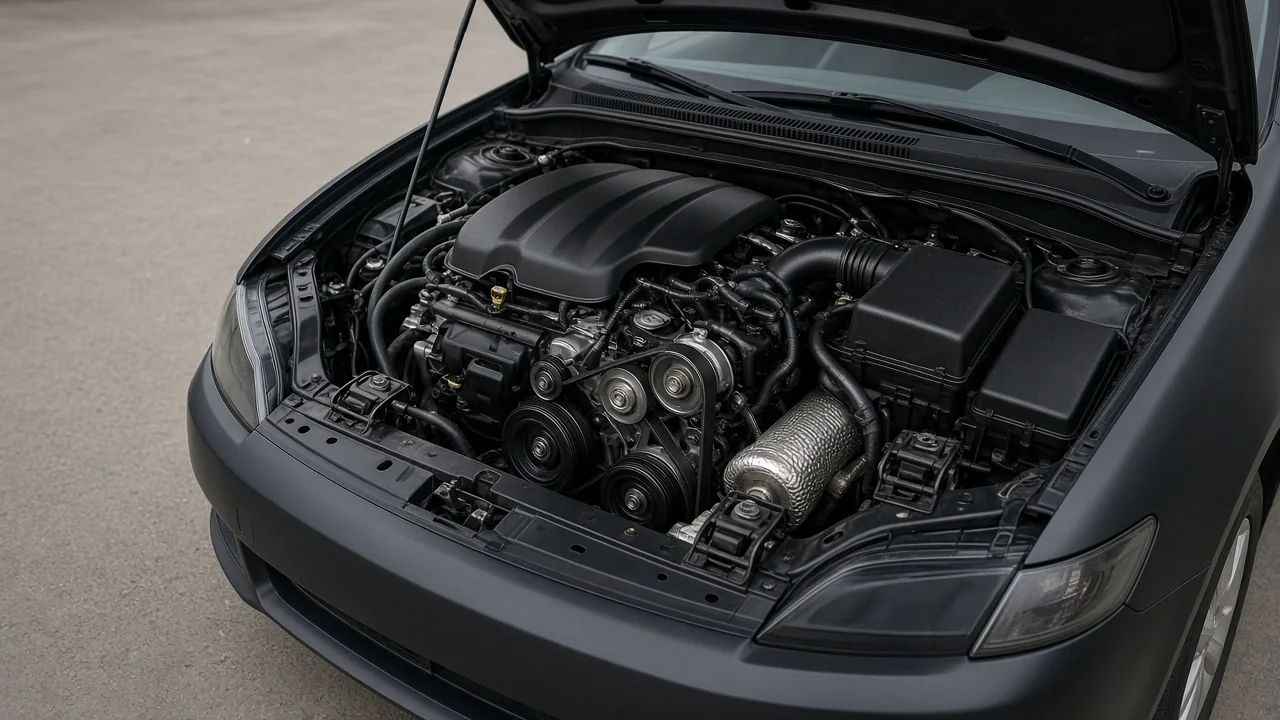
When a car makes a rattling noise when idle, the sound often appears only with the engine running at a stop, parked, or held in gear with little load. That idle rattle can be metallic buzzing from the engine bay, exhaust hardware, or vibration that reaches the cabin. Sorting when it happens and where it seems to come from is more useful than guessing a failed part from the noise alone.
Identify When and Where the Idle Noise Occurs
If a car is making rattling noise when idle, first confirm the engine is running and the vehicle is not accelerating. Note whether it happens while parked, at a traffic stop, or stopped in Drive. Those idle conditions isolate the problem from road noise and from sounds that appear only under load. Describe what you hear as a metallic buzz, a loose rattle, a light tick, or a heavy knock. That description helps a technician listen for the same character, but it is not a diagnosis by itself.
Record whether the noise begins at a cold start, appears after warm-up, or comes and goes. A rattling noise in the car when idle can seem to come from the engine bay, from underneath, or from inside the cabin, yet sound travels through the body and can mislead. Engine bay noise may be heard at the firewall, while an underbody rattle can still fill the passenger compartment. Write down the apparent location without treating it as proof of which part is loose.
Heat Shields and Exhaust Hardware Can Rattle at Idle
Loose exhaust heat shield panels, a worn exhaust hanger, or a pipe that touches nearby bodywork can produce a metallic rattle as the engine vibrates at idle. Fasteners that have loosened or heat-cycled can let a shield buzz against itself or against the tunnel. The idle vibration range is often just enough to excite that hardware, so the same rattle may fade once engine speed rises and the vibration frequency changes. That is why a car making rattling noise when idle can sound calm again as soon as you accelerate.
An apparent source underneath the vehicle still cannot establish which exhaust component is responsible. Heat shielding, hangers, clamps, and nearby brackets all sit close together, and idle vibration can make more than one of them chatter. Limit owner checks to what you can see with the engine off and the exhaust cool: a visibly loose shield edge or a disconnected hanger is worth noting. Leave underbody confirmation, lifting, and repair to a shop so you are not working around hot metal or a running engine.
Under-Hood Rattles May Involve Accessories or the Engine
A rattling noise under the hood of a car may come from the accessory drive rather than the exhaust. Pulleys, a belt tensioner, accessory bearings, and loose covers or brackets can chatter when the engine is idling and the belt is turning slowly. If the noise changes when climate control is on, that is useful context because the compressor clutch and extra load alter accessory-drive motion. It does not prove the compressor itself has failed. A shop still needs to isolate the source before any part is condemned.
Internal engine concerns, including lubrication or the timing system, can also produce ticks or rattles at idle, but sound alone cannot tell those apart from a loose cover. A car making noise when idling from the engine area needs professional source isolation if the rattle persists. Do not remove the belt, improvise listening probes, or touch running components. Those steps can injure you and can create new noises that confuse the original idle rattle. A technician can safely decide whether the issue is an accessory, a bracket, or something inside the engine.
Why a Rattle Can Appear While Stopped in Drive
A car makes rattling noise when stopped in Drive because an automatic transmission applies a small load while the vehicle is held by the brakes. That load changes engine vibration compared with Park or Neutral, so an idle rattle that was faint can become obvious. Worn engine mounts or a tired transmission mount may let the powertrain rock enough for nearby parts to tap, or they may simply transmit more vibration into the body. The mount condition is one possible contributor, not an automatic conclusion from the sound.
Rough idle or uneven combustion can excite the same hardware, so cabin vibration while stopped does not by itself justify mount replacement. A car making noise when idle in gear may be revealing a mixture, ignition, or airflow issue that shakes loose parts rather than a failed mount. Report what you already notice in ordinary driving: whether the rattle appears only in Drive, whether the engine feels lumpy, and whether the noise changes when you shift to Park. Leave loaded mount checks and brake-torque testing to a technician.
Gather Useful Clues While the Car Is Parked
If you are asking why a car is making a rattling noise when parked, gather details while it is safely stationary. Note engine temperature, any dashboard warnings, whether you feel cabin vibration, and whether climate control was operating when the noise started. A short sound clip recorded from a safe position, without reaching into the engine bay or going underneath, can capture the idle character for a shop. The clip and a symptom log help reproduce an intermittent noise; they still cannot confirm that a particular part has failed.
Clarify that the engine is actually running. Cooling-related sounds after shutdown, such as fans, ticking metal, or residual circulation, fall outside an engine-idle rattle and should be identified separately. A car making noise while idling is a running-engine complaint; a car ticking after you switch off is a different timeline. Write down whether the noise continues in Park with no accessories on, and whether it changes as the engine warms. Those notes keep the investigation on idle conditions instead of mixing in unrelated parked sounds.
Know When to Shut Off the Engine and Seek Testing
Stop safely and shut off the engine if you see an oil-pressure warning, an overheating indication, heavy knocking, smoke, or severe shaking. Those signs are more urgent than a light idle rattle and call for assistance rather than continued idling. Exhaust odor in the cabin is another reason to stop using the vehicle and have it inspected, because an exhaust leak can create a carbon monoxide hazard even when the main complaint is a rattle. Do not keep the engine running in an enclosed space while you try to locate the smell.
A car that makes noise when idling still deserves prompt inspection if the rattle persists or worsens, even with no warning lights. A technician can check exhaust attachments, accessory drive components, engine mounts, idle quality, and overall engine condition, guided by when and where you heard the sound. Fault codes, if present, are evidence to interpret, not proof a part has failed, and manufacturer-dependent codes need vehicle-specific confirmation. Matching those tests to a parked idle rattle, a stop in Drive, or an under-hood buzz is how the noise gets explained without guessing.