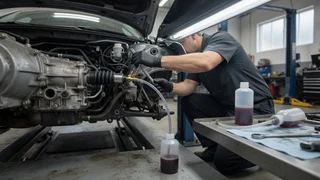
When should you bleed the clutch hydraulic system
A spongy or sinking clutch pedal is more than a nuisance; it often signals air trapped in the hydraulic circuit that transfers foot pressure to the release bearing. Routine driving rarely demands renewal, yet specific symptoms and work history do. Understanding the distinction between a properly sealed system and one that has admitted moisture or air helps you judge when bleeding is appropriate rather than replacing components needlessly. The answer depends primarily on observed pedal feel, fluid condition, and any recent disturbance of the clutch hydraulic path.
Essential answer
You should bleed the clutch hydraulic system whenever air enters the line or the fluid becomes contaminated enough to affect release. The classic trigger is a pedal that feels soft near the top, sinks gradually under steady foot pressure, or returns slowly. Air compresses far more easily than brake-grade hydraulic fluid, so even a small bubble reduces the master cylinder’s ability to move the slave cylinder fully. If engagement happens very close to the floor or gear changes feel notchy despite a properly adjusted linkage, trapped air is a likely cause and bleeding is the reasonable first service step.
Servicing the clutch hydraulics is also appropriate after any repair that opens the circuit, such as replacing a master cylinder, slave cylinder, flexible hose, or hydraulic line. In those situations, bleeding is not a periodic maintenance item but a necessary refill and air-purge step. The system does not consume fluid during normal operation, so a large drop in reservoir level usually indicates a leak rather than a need for routine bleeding. Address that leak first; otherwise, fresh fluid and a properly bled line will not produce a lasting firm pedal or reliable shift behavior.