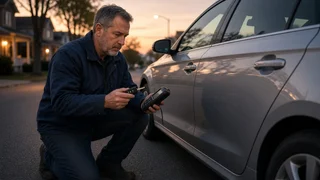
What to Do If You Lose Your Car Keys
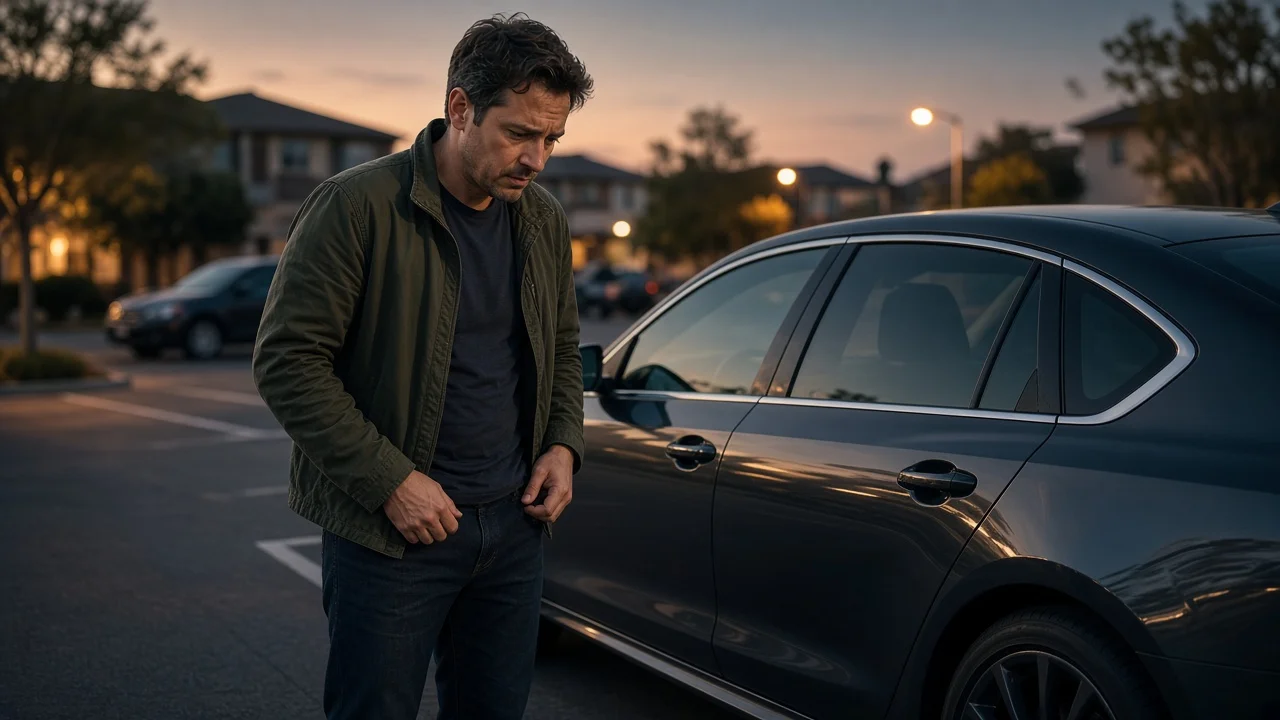
If you have lost your car key, the usual path is to search thoroughly, secure the vehicle, find your vehicle identification number (VIN) and proof of ownership, and then get a replacement from a dealership or a qualified automotive locksmith. How simple or involved that replacement is depends mostly on the type of key your vehicle uses. A basic metal key may only need to be cut, while most modern keys contain electronics that must be programmed to the specific car before it will start. Whether you still have a working spare also matters, because some replacement methods are easier when at least one recognized key is available.
First Steps When Your Car Keys Go Missing
Retrace your movements and check the places you were last, including pockets, bags, the area around the car and any businesses you visited. Look for a spare key at home or with someone you trust before arranging a replacement. Decide whether the key is likely lost or stolen. If you believe it was stolen, or if it was lost along with items that identify your car or address, treat it as a security risk. If the vehicle is parked somewhere unsafe and you suspect theft, contact local police and consider moving the car once you have regained access. Check whether a roadside assistance plan, auto club membership or your insurance policy offers lockout or key replacement help before paying for a service yourself.
Why Your Key Type Changes the Answer
Most cars built in recent decades use an immobilizer, an anti-theft system that prevents the engine from running unless it recognizes an authorized key. The key carries a small electronic chip, often called a transponder, that communicates with the car when you try to start it. If the code is not recognized, the engine will not start even if the key is cut perfectly. That is why a replacement key usually needs two things: the correct physical cut, if it has a blade, and programming that registers it with the vehicle.
Key type | How it works | What replacement typically involves; Mechanical key | A cut metal blade operates the locks and ignition with no electronics | Cutting a new key to match the lock, usually from the VIN-linked key code or the lock itself; Transponder key | A blade plus a chip that the immobilizer must recognize | Cutting the blade and programming the chip to the vehicle; Remote-head key or key fob | A transponder key combined with buttons for locking and unlocking | Cutting, immobilizer programming and pairing the remote functions; Smart key or proximity key | Allows keyless entry and push-button start when the key is nearby | Programming a new fob to the vehicle, often with specialized diagnostic equipment; Phone-as-key or digital key | A smartphone or card acts as the key through the manufacturer's app or system | Following the manufacturer's account and device process, which varies by brand
Which type your car uses depends on the make, model, model year and trim. If you are unsure, the owner's manual, the dealership or a locksmith can confirm it using your VIN. On some older vehicles, owners could program an additional key themselves using existing working keys, but that option generally does not apply when every key is lost, and many newer vehicles require dealer-level or specialized equipment regardless. Check the procedure for your specific vehicle rather than assuming one method applies.
Proof of Ownership and Vehicle Details to Gather
Because a new key gives access to the vehicle, reputable dealers and locksmiths normally ask you to show that the car is yours before making one. Exact requirements vary by business and state, so ask in advance what will be accepted.
VIN: commonly visible through the windshield on the driver's side of the dashboard, on a label in the driver's door jamb, and on registration and insurance documents. Vehicle registration or title showing your name. A valid government-issued photo ID that matches the name on the ownership documents. If you are not the registered owner, such as with a leased, financed, company or family vehicle, expect to need additional authorization from the owner or lessor.
Dealership or Locksmith: Comparing Replacement Options
Option | Strengths | Limitations | Suits; Franchised dealership | Access to manufacturer key codes, parts and programming tools for that brand | Usually requires getting the car to the dealer, which may mean towing if no key is available; parts may need to be ordered | Owners of newer or less common models, or vehicles with complex smart-key systems; Automotive locksmith | Many offer mobile service at the car's location and can cut and program keys for a range of brands | Capability varies by business and vehicle; some newer or specialized systems may be outside their tooling | Owners who need help where the car is parked, or with widely supported key types; Existing spare key | Fastest way to regain use of the car | Leaves you without a backup until another key is made; does not address the security of the lost key | Anyone who still has a working key
No pricing, wait times or service availability were available for this article, and these vary widely by vehicle, key type, location and provider. Before booking, ask whether the quote covers both cutting and programming, whether the provider can handle your exact model year, and whether any old keys can be removed from the car's memory.
Steps to Get a Replacement Car Key
1) Confirm your key type using the owner's manual, the dealership or a locksmith and your VIN. 2) Gather your VIN, registration or title, and photo ID. 3) Check roadside assistance, warranty, extended service plan or insurance coverage for key replacement or towing. 4) Contact a dealership or automotive locksmith, give the VIN and key type, and confirm what they need from you and whether the car must be brought to them. 5) If the car must go to a dealer and you have no working key, arrange towing. 6) Have the new key cut, if applicable, and programmed to the vehicle. 7) Ask that any lost keys be erased from the vehicle's memory where the system supports it, so the missing key can no longer start the car. 8) Completion check: before the provider leaves, confirm the new key unlocks the doors, starts the engine, and operates remote or keyless functions if the key has them.
Protecting the Vehicle After a Lost Key
A lost key that could still work is a theft risk, especially if it was lost with anything linking it to your car or home. For electronic keys, having the missing key removed from the vehicle's list of authorized keys is an important step where available. For mechanical keys, which cannot be deactivated, consider having the locks and ignition rekeyed. If you suspect theft, report it to the police and notify your insurer, since a report may be needed for any claim.
Preventing a Repeat
Once your car is running again, consider having a spare key made and kept in a secure place. Replacing a key when one working key is still available is often simpler than starting with none. Keeping a record of your VIN and a copy of your registration somewhere accessible outside the car can also speed things up if it happens again.
What This Guide Does Not Cover
This guide reflects general principles of how car keys and immobilizers work and how replacement typically proceeds in the US. It does not include prices, turnaround times, specific provider contacts or model-specific programming procedures, because no verified data on those was available. Confirm details for your vehicle with the manufacturer, your dealership or a qualified locksmith.