What Is a Car Body Seam Sealer?
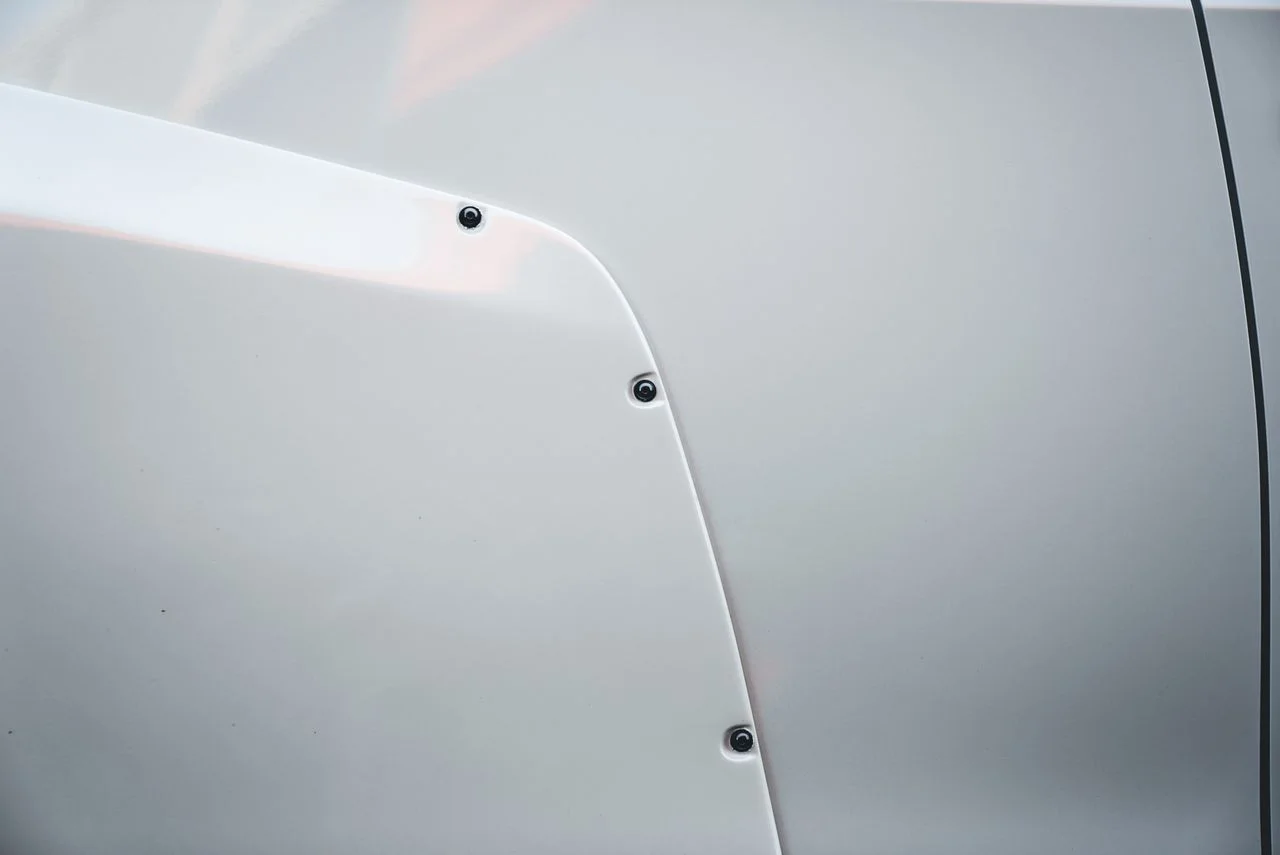
A car body is built from many stamped steel or aluminum panels joined by welds, adhesives, and folded edges. Wherever two panels meet, a tiny gap remains. So what is a car body seam sealer? It is a flexible compound applied over those joints to keep water, dust, and fumes out and to slow corrosion where bare metal edges overlap.
Seam location
Seam sealer appears wherever sheet metal overlaps or is folded together. Common places include the floor pan joints, the strut towers and firewall in the engine bay, the channels around the trunk opening, the roof ditch where the roof skin meets the side panels, and the hemmed edges along the bottom of doors, the hood, and the trunk lid. These joints are usually spot-welded, which leaves small unsealed gaps between welds that would otherwise draw moisture in by capillary action.
Opening a door or the trunk and looking along the inner edges often reveals a raised bead, sometimes smooth and sometimes brushed flat, running the length of the joint. Under the hood, similar beads follow the cowl and inner fender aprons. Exact placement differs between manufacturers, body styles, and model years, and some seams are hidden behind trim, carpet, or undercoating. Factory body repair information for a specific vehicle shows where sealer belongs and what form it takes at each joint.
Coating
At the factory, sealer generally goes on after the body shell has received its corrosion-resistant primer coating and before the color coats. That sequence matters: the primer protects the metal inside the joint, the sealer bridges the gap on top, and paint then covers both. The result is a layered barrier in which each coating does a different job. Sealer is not itself a rust treatment; it works by excluding water and road salt from a joint that is already protected.
Sealers come in several chemistries, including urethane, modified polymer, and two-part epoxy products, and in forms such as brushable, sprayable, self-leveling, and thick caulk-style beads. Self-leveling material suits horizontal channels like roof ditches, while heavier-bodied beads hold their shape on vertical joints. Most are meant to be painted, though compatibility with particular primers and topcoats depends on the product, so the manufacturer's instructions govern which coatings may go underneath or on top and how long curing takes before painting.
Repair
Collision repair is where most seam sealer gets replaced. When a quarter panel, floor section, or door skin is cut out and a new one welded or bonded in, the original sealer is destroyed along that joint and must be restored. Body shops typically aim to reproduce both the function and the look of the factory bead, matching its width and texture so the repair seals properly and does not stand out when someone inspects the door jambs or trunk channel later.
Preparation decides whether a repair lasts. Sealer applied over rust, loose paint, or contamination can trap moisture against the metal and hide corrosion that keeps spreading beneath it. For that reason, any rust at a joint needs to be dealt with properly before new material goes on, and bare metal usually needs a suitable primer first, as the product directions specify. Structural joints and anything near airbags, welds, or bonded panels are best left to a qualified body technician following vehicle-specific procedures.
Everyday Use and Observations
Most owners never think about seam sealer until water shows up somewhere it should not. A damp trunk floor, wet carpet after rain, a musty smell, or fogged windows can all point toward a joint that no longer seals, although clogged drains, worn weatherstripping, and windshield bonding problems produce the same symptoms. Sealer also helps keep exhaust odor, dust, and road noise out of the cabin, so a failed joint occasionally reveals itself as a draft or new whistle instead.
A visual check is simple. Healthy sealer looks continuous and stays bonded at its edges, with paint lying intact over it. Aging material may crack, shrink, lift away from the panel, or show rust staining bleeding out from beneath, especially in roof channels and lower door hems that hold standing water. On a used car, sealer that looks freshly applied, uneven, or different from the matching seam on the opposite side can indicate previous body repair worth asking about.
Limits and Next Steps
Seam sealer has clear limits. It does not add strength to a joint, cannot substitute for welds or structural adhesive, and will not stop corrosion that has already started inside a seam. It also should not be used to close factory drain holes, which exist to let water escape from doors, rocker panels, and other cavities. Blocking them can make rust worse. Likewise, smearing sealer over a leak without finding the actual entry point often just moves the water somewhere else.
When a leak or cracked bead turns up, the sensible next step is tracing where water enters, often with a controlled hose test while someone watches from inside. Small cosmetic cracks in an accessible, non-structural seam may be a manageable repair with the right product and preparation, while rust, repeated leaks, or damage near structural areas call for a body shop assessment. Because sealer types and locations vary by vehicle, the manufacturer's repair information remains the reliable reference for doing it correctly.