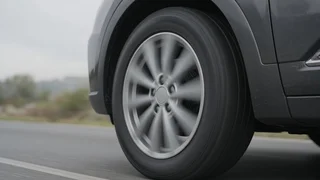
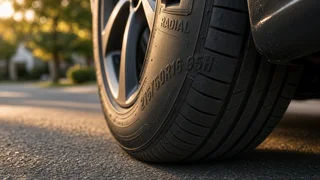
What Happens If You Exceed Tire Speed Rating

Pushing a tire beyond its speed rating introduces heat and stress that the tire's structure was not designed to sustain continuously. The speed symbol on a sidewall is not a suggestion but a limit tied to the tire's ability to manage load, friction, and inflation pressure at elevated temperatures. Exceeding that limit can quietly degrade internal components, leading to tread separation or sudden air loss.
Essential answer
Exceeding a tire's speed rating does not cause immediate failure the moment the limit is crossed. Instead, it moves the tire into an operating range where heat builds faster than the casing can shed it. The tire's materials begin to fatigue, and the risk of a sudden blowout or tread separation rises sharply, especially if the tire is underinflated or carrying a heavy load.
The scope of this risk depends on the margin and duration. A brief excursion may leave no visible damage, while sustained high-speed driving far above the symbol can weaken the rubber and belts. Because the speed rating assumes proper maintenance, exceeding it with low tread depth or incorrect air pressure makes the danger considerably worse.
How it works
A tire's speed rating is not a single material property but a result of how the casing, belts, and tread compound manage centrifugal force and heat. At higher speeds, the tire flexes more rapidly. This repeated deformation generates internal friction, which increases temperature. The speed letter indicates the maximum sustained thermal load the design can handle without losing structural integrity.
The tire size and load index work together with the speed symbol. A larger tire rotating at the same road speed experiences lower centrifugal stresses at the tread, but its heavier mass can still retain heat. Inflation pressure also matters: an underinflated tire flexes excessively, producing heat well below the rated speed and effectively lowering the safe threshold.
Strengths, limitations and suitability
A speed rating provides a useful safety benchmark for matching a tire to a vehicle's performance envelope. The system helps drivers compare tires beyond just traction or wear. However, the rating assumes a new, properly inflated tire at a specified load. It does not account for aging rubber, repaired sidewalls, or a heavy vehicle with altered drivetrain compatibility and weight distribution.
For everyday driving well below the limit, the rating is a conservative buffer. The limitation appears at the upper end: drivers who repeatedly approach or exceed the symbol may not notice any warning before the tire fails. There is no dashboard indicator for internal overheating. The rating also gives no precise failure point, only a sustained operating ceiling that becomes less forgiving as the tire wears.
Procedure
Before any high-speed drive, check the vehicle placard and the tire sidewall to confirm that the installed speed rating meets the vehicle's requirements. Inspect inflation pressure when the tires are cold and verify that tread depth is even. A tire that is already heat-damaged from previous over-speed runs may look sound on the outside while the inner liner is compromised.
If you discover you have exceeded the rating, reduce speed gradually and allow the tires to cool without stopping abruptly. Avoid heavy braking or sharp steering until the temperature drops. Then inspect each tire for bulges, cracks, or cuts near the shoulder and sidewall. Any deformation or vibration warrants having the tire dismounted and inspected before resuming normal speeds.
Diagnosing a problem
After an over-speed event, a subtle shake or new vibration at highway speed can be the first sign of internal belt damage. A visible bubble on the sidewall or a thumping noise that changes with road speed also points toward structural separation inside the tire. These symptoms should not be dismissed as a simple balance issue.
If the tire loses air without an obvious puncture, heat-related damage to the bead or liner may be the cause. The condition of the tire's inner surface is usually not visible on the vehicle, so a persistent pull, wobble, or slow leak after high-speed driving is a reason to stop using that wheel position and have the tire inspected by a shop that can dismount it and see the interior casing.