What Does Engine Knocking Sound Like? Signs You Can Hear and Feel
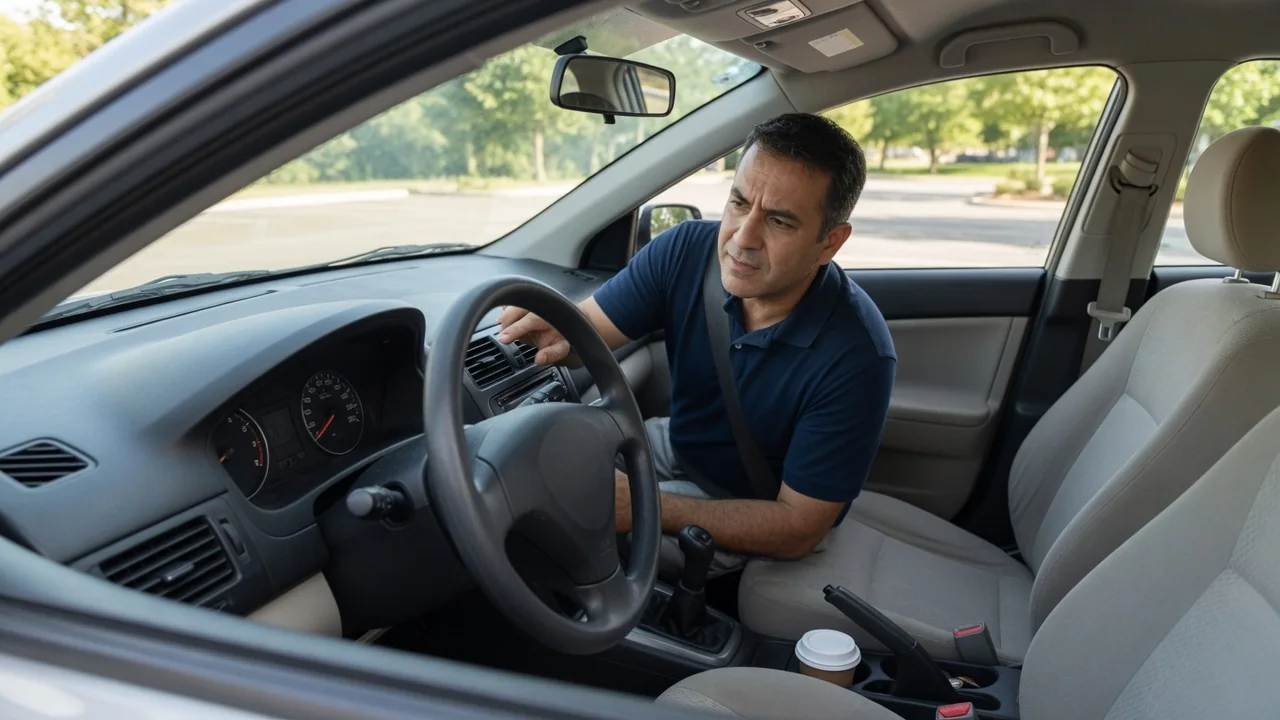
A knocking engine can be hard to name on first hearing. Drivers ask what engine knocking sounds like because the noise may arrive as metallic pinging, a hollow knock, or a fast knocking sound that changes with engine speed. Learning how it sounds, what it may feel like, and how it differs from ticking or rattling helps you describe the pattern. Sound and sensation are clues, not a diagnosis.
What Engine Knocking Can Sound Like
When people ask what engine knocking sound is, they are usually trying to match an unfamiliar engine noise to a remembered pattern. The sound may register as a sharp metallic pinging, a duller hollow knock, or a repeated rap that seems to come from the engine bay. Written examples such as ping-ping or knock-knock are only approximate labels. They help you remember the character of the noise, not identify a part. Hearing one of these patterns does not establish a mechanical diagnosis.
The phrase engine knocking covers several perceived noises rather than a single tone. One driver may hear a light metallic ping, another a deeper knock-knock, and both may call it knocking. How engine knocking sounds can also shift with engine speed, so the same car may seem to ping at one moment and knock at another. Recognition stays with what you hear and feel. A sound recording from the cabin can preserve the pattern, yet it still cannot prove what is happening inside the engine.
Pitch, Rhythm, and Different Knocking Sounds
Different engine knocking sounds are easier to report if you separate pitch, loudness, and rhythm. Light metallic pinging is usually higher in pitch and may arrive as a quick series of tings. A distinct hollow knock is lower and more percussive, closer to a repeated rap. Rapid tapping or a fast knocking sound in the engine describes how quickly the hits follow one another. Note whether the noise frequency stays even, speeds with engine speed, or comes and goes. Those listening details describe a pattern, not a failed part.
A fast knocking sound describes the rate of repetition, not the identity of the noise. Speed alone cannot tell you how severe the sound is or whether it matches what technicians call knock. An engine knocking sound example on a phone can help someone else hear the rhythm later, but microphone placement, cabin insulation, and sound quality all change what gets captured. Treat written examples and recordings as recognition aids with those limits. They support a description of what it sounds like when your engine is knocking; they do not confirm it.
Words That Help Describe an Unfamiliar Engine Noise
Everyday labels for engine noise overlap, which is why it helps to describe the actual pattern. Ticking usually means short, sharp clicks that stay relatively light. Rattling is a looser chattering, as if several small contacts are happening in a cluster. Knocking is more like repeated percussive impacts, a knock-knock or metallic ping that has more weight than a tick. How to tell if your engine is knocking starts with that contrast: impact versus click versus chatter, not with a single word used as proof.
These words are subjective. Two people in the same cabin may hear the same noise frequency and still disagree on whether it is ticking, rattling, or knocking. How to know if an engine is knocking is therefore less about picking the perfect label and more about reporting what you heard: pitch, repetition, whether it was steady or intermittent, and whether it changed with engine speed. Treat a chosen word as a shorthand, not confirmation. The useful report is the pattern, not the name attached to it.
What Engine Knocking May Feel Like Inside the Car
What engine knocking feels like is not always a separate event from the sound. Some drivers notice rhythmic knocking as light pulses through the seat, a tremor in the steering wheel, or a tap that seems to travel through the floor. Cabin vibration may line up with the same beat you hear, especially when the noise frequency follows engine speed. The sensation can be faint or obvious. Describe where you felt it and whether it matched the audible knocks, without treating the feel as proof of a particular fault.
Not every knocking engine produces a noticeable feel inside the car. A light metallic pinging may stay in the ears only, with no cabin vibration at all. The reverse is also true: vibration through the seat or wheel can come from many sources and cannot confirm engine knock by itself. How to tell if an engine is knocking still depends on pairing what you heard with what, if anything, you felt. Sensation is supporting detail. Alone, it cannot identify the source of the engine noise.
Safe Observations to Help Identify the Sound
A practical way to know if your engine is knocking begins with notes from ordinary driving, not with trying to force the sound. Write down when you first heard it, whether the engine was still warming up, and whether the car was stationary or moving. If you already noticed a relationship to engine speed during ordinary driving, record that too. Do not deliberately rev the engine or load it just to reproduce the noise. Ordinary observations are enough to describe how the knocking presented in normal use.
If no urgent warning signs are present, a brief listen from the cabin while parked outdoors, parking brake applied, can help you hear the idle character of the noise. Keep that listen short. A short sound recording made only while safely parked can preserve an engine knocking sound example for later comparison. These notes and clips support professional identification. They cannot confirm knock, because cabin acoustics and a phone microphone leave out much of what a technician would hear at the engine.
When to Stop Listening and Seek Professional Identification
Persistent or recurring unexplained knocking warrants professional assessment even if a recording is inconclusive. Capturing a perfect clip is not the test of whether the noise needs attention. Sudden loud knocking together with an oil-pressure warning, overheating, or severe shaking is a reason to pull over safely and shut the engine off. Continued driving or repeated starts solely to capture the noise is not useful when those urgent signs are present. Stop listening and have a technician identify the sound.
When you do reach a technician, share the sound recording if you have one, the timing of when the noise appeared, any dashboard warnings, and any cabin vibration or pulses you noticed. Say whether the sound was a metallic ping, a hollow knock, rapid tapping, or something in between, and whether it seemed tied to engine speed. Leave source confirmation to professional testing. Recognizing what a knocking engine sounds like is a listening task; identifying the source is a separate step that the driver's seat cannot finish.