Why Is My Engine Knocking? Causes and Safe Diagnostic Checks
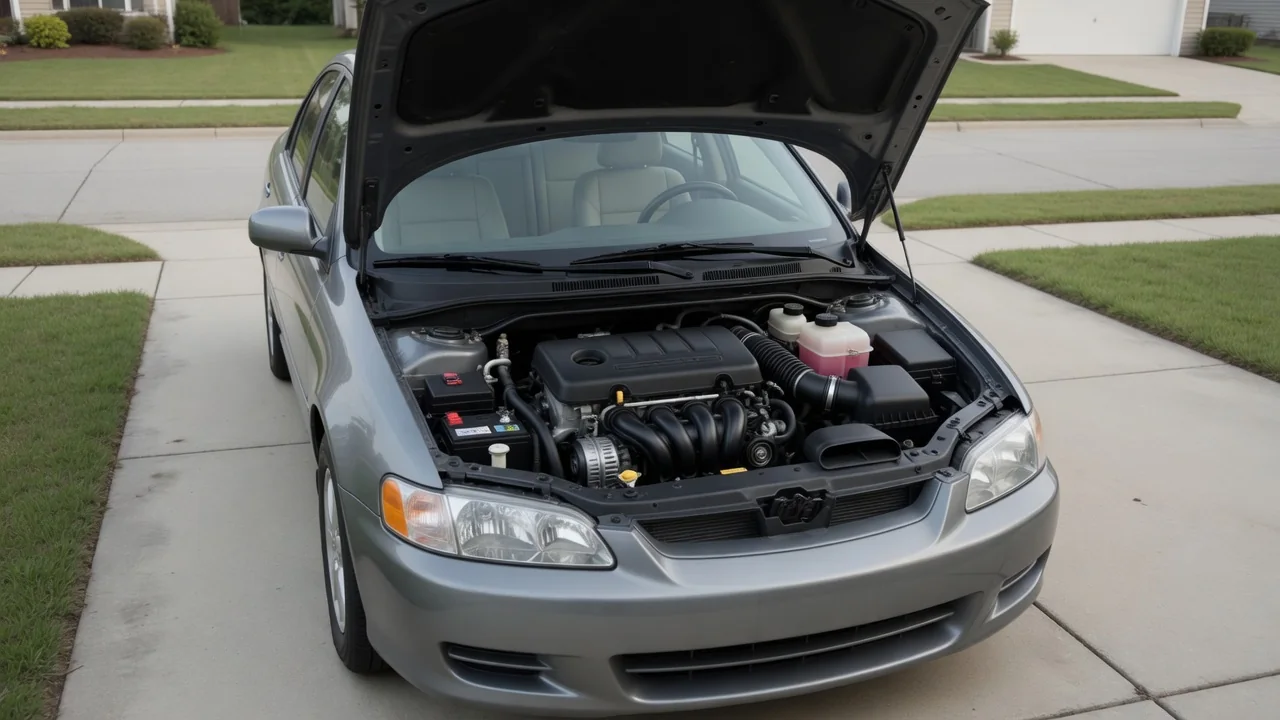
When an engine is knocking, the noise is a symptom that needs attention. It doesn't tell you on its own what has failed. A knock can come from abnormal combustion, wear inside the engine, or a part mounted near the engine. This guide covers what the sound can mean, how to describe it clearly, which warning signs mean you should stop, and how a technician narrows down the possible causes.
What Engine Knocking Can Mean
Knocking is the word people use for what they hear, and it covers many different sounds. It doesn't identify a failed part by itself. In the strict engineering sense, combustion knock is abnormal combustion. After the spark plug fires and the flame front starts moving across the chamber, some of the remaining unburned mixture ignites on its own from heat and pressure. This self-ignition, often called detonation, creates sharp pressure spikes that can sound like pinging or rattling, especially when the engine is working hard.
Other noises get the same name. When clearance develops between moving parts inside the engine, the parts can knock against each other, which has nothing to do with combustion. Parts mounted on or near the engine, such as pulleys, brackets, and exhaust pieces, can also tap or clunk in ways that seem to come from inside. Because different sources can sound alike, the noise alone can't tell you the cause, which cylinder is involved, how serious the problem is, or what repair will be needed.
Describe the Sound and When It Happens
A clear description helps whoever looks into the noise. Note the rhythm: does it keep pace with engine speed, come and go, or happen only now and then? Describe the pitch as a light tick, a metallic ping, or a deeper thud, and say whether each sound is brief or drawn out. Mention where it seemed to come from, such as the top, bottom, front, or one side. These details help narrow the search, but they're impressions. They don't prove that a particular part is at fault.
When the noise happens matters as much as how it sounds. Write down whether you first noticed it at startup, at idle, while accelerating, or only after the engine had warmed up. Note any vibration, rough running, hesitation, loss of power, or warning lights that showed up around the same time. Use only what you've already noticed. Revving the engine on purpose, working it hard on a hill, or driving on just to hear the sound again can turn a manageable problem into serious damage.
Possible Combustion and Internal Mechanical Causes
Several combustion problems can lead to knock. Fuel with a lower octane rating than the manufacturer requires ignites more easily on its own, so the leftover mixture is more likely to self-ignite. Too much heat in the combustion chamber, whether from a cooling problem or heavy load, has the same effect. Problems in the systems that control combustion can also contribute, including ignition timing, the air-fuel mixture, and knock detection. If you notice a misfire or rough running along with the noise, those systems deserve a closer look.
Mechanical causes inside the engine are a different category. Without enough lubrication, metal parts can touch where a film of oil should keep them apart. Worn connecting rod bearings are a well-known possible source of deep knocking. Problems with pistons, wrist pins, the valvetrain, or timing components can also cause rhythmic noises. Sound alone doesn't confirm any of these, and each needs its own specific diagnosis. Sound also travels through the engine block and cylinder head, so a noise that seems to come from one cylinder may not be coming from that cylinder or part.
Sudden Knocking and Warning Signs That Require Stopping
When knocking starts suddenly, recent events give useful context. Think about whether you recently got gas, had maintenance done, saw the temperature gauge climb, or hit debris or a curb. Tell a technician about these events, but don't assume they caused the noise, because the timing could be a coincidence. More urgently, know when to stop driving. A loud new knock, an oil-pressure warning, overheating, severe shaking, or a big loss of power means you should pull over as soon as it's safe and shut off the engine.
After serious warning signs, call roadside assistance or arrange a tow instead of driving on. Restarting just to hear the noise again means running an engine that may already lack proper lubrication. If you want to check the oil level, do it only when you're safely parked with the engine off, and follow the owner's manual for when and how. A low reading is important to know. A normal level doesn't prove the oil pressure is adequate, though, because pressure also depends on the oil pump, oil passages, and bearing clearances.
Engine Mounts and Nearby Sources of Knocking
Not every knock comes from inside the engine. Engine mounts hold the engine in place and absorb its movement. A damaged mount can let the engine shift far enough for parts to hit the body or nearby components. If you've noticed a clunk at startup, at shutdown, or when shifting between drive and reverse or changing throttle, mention it to your technician. Parts of the accessory drive, such as belts, pulleys, and tensioners, can also make knocks or taps that are easy to mistake for engine noise.
Loose heat shields, exhaust parts touching the body, and parts around the transmission can rattle or knock too. Note whether the sound seemed tied to road bumps or the car's movement rather than engine speed. That pattern helps a technician check the suspension and drivetrain. Limit your own inspection to what you can safely see with the engine off and cool, such as a clearly loose shield or a torn mount visible from above. Never crawl under a vehicle that isn't properly supported, and never touch moving parts.
How a Technician Narrows Down the Source
Good information saves diagnostic time. Give the technician the vehicle's year, make, model, engine, and approximate mileage, plus when the noise started and when it happens. Mention any warning lights, recent fill-ups, oil changes, or repairs, and whether the engine overheated. A short recording made safely during normal driving, without extra revving, can help. From there, a professional diagnosis may include pinpointing the noise under controlled conditions, measuring actual oil pressure with a gauge, reviewing scan-tool data, and inspecting the mounts, accessories, and exhaust hardware.
If the evidence points to a particular cylinder, a technician may test that cylinder using proper equipment and precautions. Owners shouldn't try to disable cylinders or disconnect ignition parts, which can cause electrical problems, fire, or engine damage. Trouble codes help guide the search, for example by pointing toward a misfire or a knock-sensor reading. A code doesn't prove where the noise comes from or that a part has failed, though. Many codes are specific to the manufacturer, so their meaning has to be checked for your exact vehicle before drawing any conclusions.