What Do Tire Sidewall Markings Tell You?
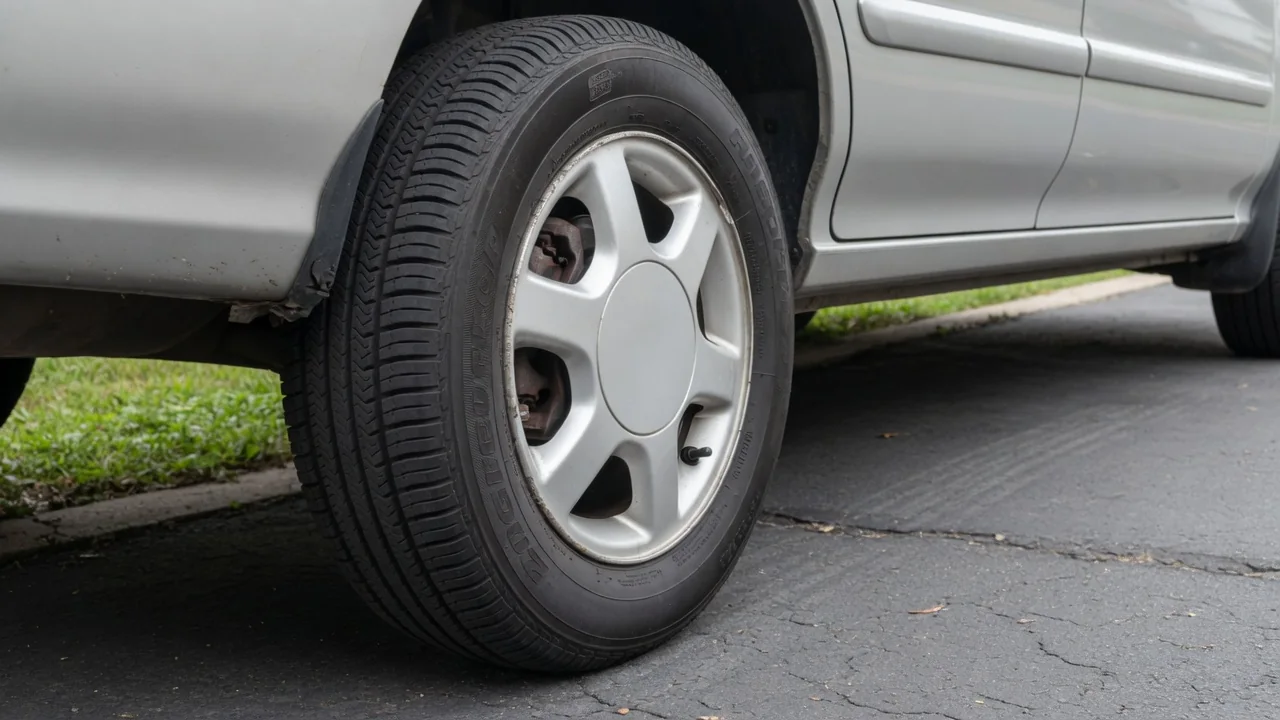
The raised lettering on a tire is easy to ignore, yet it answers a practical question: what do tire sidewall markings tell you about the rubber your vehicle rides on? Read in order, the characters describe the tire's dimensions, internal construction, load capacity, speed capability, and manufacturing date. Knowing how to decode them makes shopping, inspecting, and comparing tires far less confusing.
Size format
The largest string of characters is the size designation, and it follows a predictable pattern. Take a marking such as 225/45R17. The first number is the nominal section width in millimeters, measured from sidewall to sidewall. The second number is the aspect ratio, meaning the sidewall height is roughly 45 percent of that width. The letter R identifies radial construction, the layout used on nearly all modern passenger vehicles, and the final number is the wheel diameter in inches the tire is built to fit.
Some sizes begin with a letter. A P prefix indicates a passenger-type tire built to a North American standard, while LT marks a light truck tire designed for heavier duty use; sizes with no prefix typically follow the European metric standard. Trucks and off-road vehicles may instead carry flotation sizes, written with overall diameter and width in inches. Because a lower aspect ratio means a shorter, stiffer sidewall, two tires for the same wheel diameter can look and ride quite differently.
Load and speed symbols
Immediately after the size sits the service description, a two- or three-digit number followed by a letter, such as 94V. The number is the load index, a code that corresponds to the maximum weight a single tire can support when properly inflated. It is not a weight in itself, so it has to be read against a standard load index chart. A higher number means greater carrying capacity, which matters most on vehicles that haul passengers, cargo, or trailers.
The letter is the speed symbol, indicating the maximum sustained speed the tire was engineered to handle under test conditions. Letters later in the alphabet generally denote higher capability, though H sits out of sequence for historical reasons. Speed rating also hints at construction, since higher-rated tires tend to manage heat better and respond more crisply. You may also see XL or Reinforced for extra load passenger tires, or a load range letter on light truck tires, both signaling a sturdier casing able to hold higher pressure.
Where to confirm fit
The sidewall describes the tire, not the vehicle, so fitment should be confirmed against the automaker's information. The tire and loading placard, usually found on the driver's door jamb or door edge, lists the original size, the recommended cold inflation pressures, and the vehicle's load limits. The owner's manual repeats this and may list alternate sizes approved for different trim levels or wheel packages. Some vehicles place the placard inside the fuel filler door or glovebox instead.
A common mix-up involves the maximum pressure molded into the sidewall. That figure is the limit for the tire itself, not the pressure your vehicle should run; the placard value is the one tuned to the car's weight, handling, and braking. Likewise, replacement tires should generally meet or exceed the load index and speed symbol shown on the placard. Vehicles with staggered setups use different sizes front and rear, so check each axle rather than assuming all four positions match.
Everyday Use and Observations
Beyond size, several markings are useful in daily ownership. The DOT code, a string of letters and numbers near the rim, ends in four digits giving the week and year of manufacture, so a code ending in 2423 points to the twenty-fourth week of 2023. This helps when judging a used car's tires or a spare that has sat for years. The Uniform Tire Quality Grading figures for treadwear, traction, and temperature offer a rough comparison, though treadwear numbers are assigned by each manufacturer.
Seasonal capability shows up too. M+S indicates a tread pattern intended for mud and snow, while the three-peak mountain snowflake symbol means the tire met a snow traction test standard. Directional tires carry a rotation arrow, and asymmetric designs are stamped with outside and inside labels, which affects how they can be rotated. Small triangles or the letters TWI near the shoulder point to the tread wear indicator bars, making it easier to spot when the grooves are getting shallow.
Limits and Next Steps
Sidewall markings describe how a tire was designed and when it was built, not its present condition. They cannot reveal internal damage, improper repairs, uneven wear from misalignment, or rubber that has hardened with age and heat. Ratings also assume correct inflation and loading; an underinflated tire carries less than its load index suggests. Regional differences matter as well, since markings required in one market, such as UTQG grades, may be absent on tires sold elsewhere.
If you are considering a different size, a lower speed rating for winter tires, or a switch between passenger and light truck construction, treat the sidewall as a starting point. Changes in overall diameter can affect speedometer accuracy, clearance, and driver assistance systems, and the acceptable range depends on the specific vehicle. Compare the markings with the placard, look over the tires for cracks, bulges, and wear, and have a tire professional confirm anything that does not match the manufacturer's documentation.