What cars Mazda makes
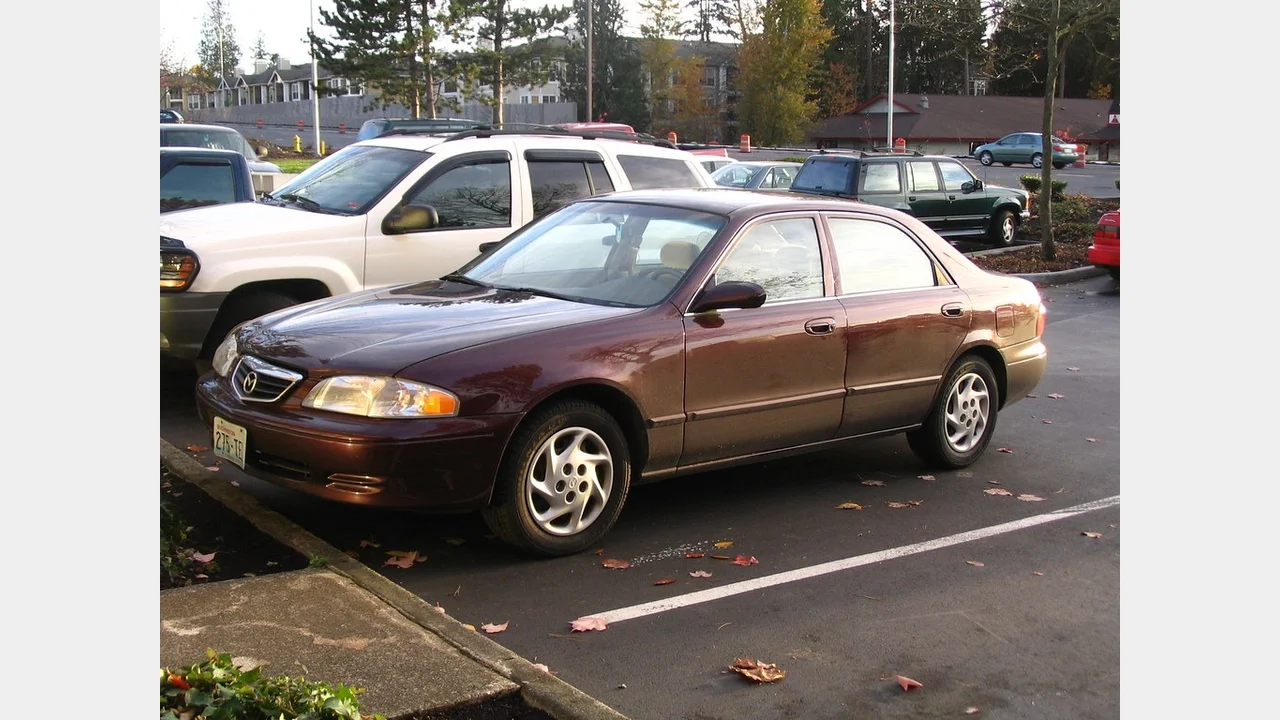
Mazda builds a focused line of cars, crossovers, and the MX-5 Miata roadster for the United States market. The question “what car Mazda” usually means a shopper wants to know which body styles and powertrain configurations are offered, and how one model generation differs from another. Understanding Mazda’s lineup means looking beyond the badge to the trim level, driven wheels, and market specification that shape each vehicle’s character.
Essential answer
Mazda currently sells passenger vehicles organized around sedan, hatchback, and SUV body styles. The Mazda3 is offered as a compact sedan or four-door hatchback, while the CX series covers subcompact, compact, and midsize crossover segments. The rear-wheel-drive-based CX-70 and CX-90 sit at the larger end of the utility range, and the two-seat MX-5 Miata remains the brand’s convertible sports car.
Because model names and availability shift by model year and regional market specification, a specific trim or powertrain configuration may appear in one part of the lineup and not another. Some vehicles emphasize front-wheel-drive packaging, while larger SUVs use a longitudinal engine layout with available all-wheel drive. Checking the current model generation for a given nameplate is the most reliable way to confirm what a particular Mazda car actually is.
How it works
Mazda’s vehicle range relies on a few shared mechanical ideas applied to different body styles. Many models use a four-cylinder engine mounted transversely and driving the front wheels, with all-wheel drive available on higher trims or in regions where extra traction is useful. This layout supports compact packaging, efficient space use, and predictable handling in everyday driving.
The brand also builds models around a longitudinal engine orientation with a rear-biased all-wheel-drive system. That architecture changes the weight distribution and gives the larger crossovers a different steering and ride feel than the smaller transverse-engine cars. The MX-5 Miata uses the same front-engine, rear-wheel-drive concept in a much lighter two-seat form, prioritizing balance and driver involvement over passenger space.
For a buyer, the practical effect comes from matching the body style and powertrain configuration to daily use. A hatchback favors cargo flexibility, a compact crossover adds ride height and available all-wheel drive, and the Miata trades utility for open-air engagement. The same underlying engineering priorities appear across the range, but each model generation packages them differently.
Strengths, limitations and suitability
Mazda’s lineup is best suited to shoppers who value interior design, direct steering, and tidy proportions over maximum towing capacity or off-road equipment. The smaller cars and crossovers typically reward careful driving with responsive handling, while the larger SUVs add more passenger room and towing ability without adopting a truck-based platform.
The trade-off is that Mazda does not offer a traditional body-on-frame SUV or a full-size pickup in the United States. Shoppers who need three-row seating can look to the CX-90, but those who require maximum cargo volume or heavy-duty capability may find the lineup limiting. Choosing the right trim level matters here because feature content and powertrain choices change the character of the same body style.
Procedure
To identify a current Mazda model, start with the body style that fits your household: sedan, hatchback, two-seat convertible, or crossover. Then narrow the search by driven wheels and seating needs. Front-wheel-drive models generally return simpler packaging and lower cost, while all-wheel-drive versions add traction for wet or snowy regions.
Once you select a model generation and trim level, compare the standard equipment and available powertrain against your driving routine. A test drive should include the same roads you normally use, with attention to ride comfort, visibility, and rear-seat space. The goal is to confirm that the market specification sold in your region includes the features and layout you expect from the nameplate.
Diagnosing a problem
If you are looking at a used Mazda and trying to determine which car it is, the VIN and the build plate provide model year, plant, and trim information more reliably than a badge alone. Some models share platform hardware across generations, and a visual similarity does not always mean the same powertrain or feature set.
Pay attention to inconsistent trim badges, replacement panels, or a model name that does not match the body style. These clues can indicate prior repair or mislabeled listing information. Confirming the market specification and original equipment through the vehicle identification details helps avoid assuming a car has features or capabilities that were never part of that particular build.