What car is the Nissan X-Trail
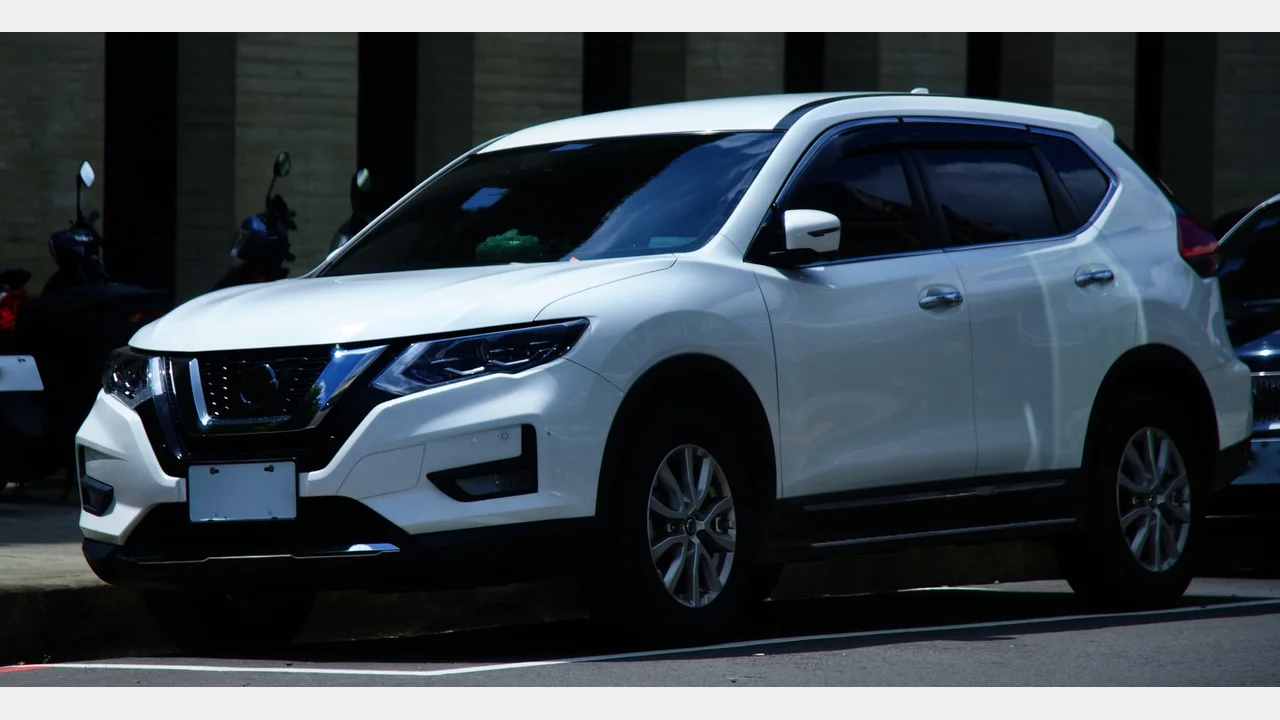
The question “What car is the Nissan X-Trail” usually comes up when a shopper sees the nameplate and wants to place it among familiar SUVs. The X-Trail is a compact crossover utility vehicle developed by Nissan, positioned as practical family transport with available all-wheel drive. Depending on the market specification and model generation, it has also appeared under other names, which can create confusion. Understanding the body style, powertrain configuration, trim level, and regional naming helps a buyer interpret used listings, reviews, and comparisons without assuming every X-Trail is identical.
Essential answer
The Nissan X-Trail is a compact SUV that has been sold across several model generations in global markets. In the United States, the closely related vehicle has historically worn the Nissan Rogue name, so an American shopper encountering an X-Trail is often looking at an import, a Canadian-market example, or an international listing. The model has been offered with front-wheel drive and all-wheel drive layouts, four-cylinder engines, and automatic or continuously variable transmissions depending on generation and region.
The exact answer depends on the model year and market specification. Early X-Trails were boxier and more off-road-oriented, while later generations moved toward smoother styling and greater emphasis on fuel efficiency and interior space. Trim levels add equipment such as navigation, driver aids, roof rails, or upgraded seating. Because the nameplate spans distinct designs rather than one fixed vehicle, a useful answer identifies the generation, body style, and powertrain before making comparisons with the Rogue or other compact crossovers.
How it works
As a crossover, the X-Trail uses unibody construction rather than a separate truck frame. This design typically reduces weight and improves on-road ride comfort compared with body-on-frame SUVs. The available all-wheel drive system can distribute torque between axles when wheel slip is detected, helping traction on wet pavement, gravel, or light snow. The system is generally intended for confidence in poor weather and mild unpaved roads rather than severe rock crawling or deep mud.
Powertrain operation follows common compact-SUV practice. A four-cylinder gasoline engine sends power through a conventional automatic or continuously variable transmission. The continuously variable unit keeps engine speed within an efficient range during acceleration, which can feel different from stepped gear changes. Practical effects include smoother power delivery and competitive fuel economy in ordinary commuting, though towing capacity and sustained high-load performance are more limited than in larger truck-based SUVs.
Strengths, limitations and suitability
The X-Trail’s strengths lie in everyday usability. Its elevated seating position gives good outward visibility, while the cabin layout supports passengers and cargo without the bulk of a three-row or full-size SUV. Later model generations emphasize comfort, noise control, and flexible rear seating. Buyers who need a commuter, a family hauler, or a vehicle for weekend trips often find the X-Trail suits that role well, especially in all-wheel drive form for seasonal weather.
Limitations appear when the vehicle is pushed beyond its design intent. Ground clearance and all-wheel drive hardware are useful on unpaved roads, but the compact crossover is not a substitute for a dedicated off-roader. Towing, sustained grades, and heavily loaded operation can expose the modest output of a four-cylinder powertrain. Shoppers should also confirm which safety and convenience features belong to each trim level, because equipment varies widely by model year and region.
Procedure
A buyer researching an X-Trail can start by identifying the model generation from the advertised year and exterior photos. Next, the listing should be checked for market specification clues such as instrument-cluster units, badging, and registration history. In the United States, comparing the vehicle with a same-era Rogue is useful because many structural and mechanical characteristics are shared. Confirming the trim level identifies key equipment, while a test drive reveals transmission behavior and seating comfort.
During inspection, the prospective owner should look for the usual compact-SUV wear points: tire condition, brake response, fluid appearance, and operation of the climate and infotainment controls. For all-wheel drive examples, listening for unusual driveline noise during low-speed turns can indicate a system concern. The completion check is whether the vehicle’s body style, powertrain configuration, and equipment match the buyer’s intended use. If uncertainty remains about import status or regional differences, a vehicle history and specification review is the practical next step.
Diagnosing a problem
A symptom such as hesitation under acceleration in an X-Trail may have several causes. A continuously variable transmission can feel unfamiliar to drivers accustomed to stepped gears, so the first check is whether the behavior is normal operation or an actual fault. Fluid condition, warning lights, and any stored diagnostic codes provide better evidence than assuming the transmission has failed. A fault code is a starting point for investigation, not proof that a specific part must be replaced.
For suspension or driveline complaints, the next check is whether the symptom changes with road speed, steering angle, or load. A noise that appears only in tight turns on an all-wheel drive model may point to driveline or tire-related behavior, while a constant wheel-speed hum often relates to a wheel bearing or tire wear pattern. If a warning light indicates a safety system issue or the vehicle shows significant fluid loss, overheating, or loss of drive, continued use should be stopped until a qualified diagnosis confirms the cause.