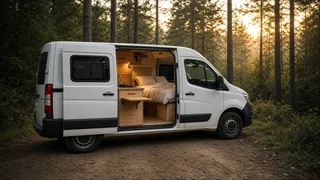
Welfare Van Camper Conversion
A welfare van camper conversion turns a vehicle designed to move people and support mobile services into a compact living space. These vans often begin with a body configuration that favors open interior volume, multiple seating positions and wide cargo access, which makes the switch to overnight use practical without changing the fundamental footprint. Americans exploring this route typically balance daily-driving manners, available powertrain options and the realities of a longer wheelbase when planning a build. The result is a small, self-contained base for travel rather than a full-scale motorhome.
Essential answer
A welfare van camper conversion is a project that adapts a people-moving van for sleeping, cooking and gear storage, while retaining enough passenger or working capability to remain useful during the week. The term covers both partial fit-outs and more complete build-outs, but the shared idea is a practical, road-friendly vehicle. Buyers should look closely at the original market specification, especially the number and arrangement of windows, the location of wheelchair or step access, and how the rear doors and sliding side door open.
Because these vans are usually built on a longer wheelbase, the conversion benefits from a linear interior layout. Seating layout matters before any furniture is installed, since retaining forward-facing rear seats changes where a bed platform, bench or storage cabinet can be anchored. Cargo access also drives the plan: a wide sliding door helps with loading, while twin rear doors can make a simple rear galley or ventilation setup easier. Powertrain options influence how the finished camper feels on highways, especially when water, batteries and insulation add weight to the original commercial payload design.