VW Polo Vivo Outer CV Joint
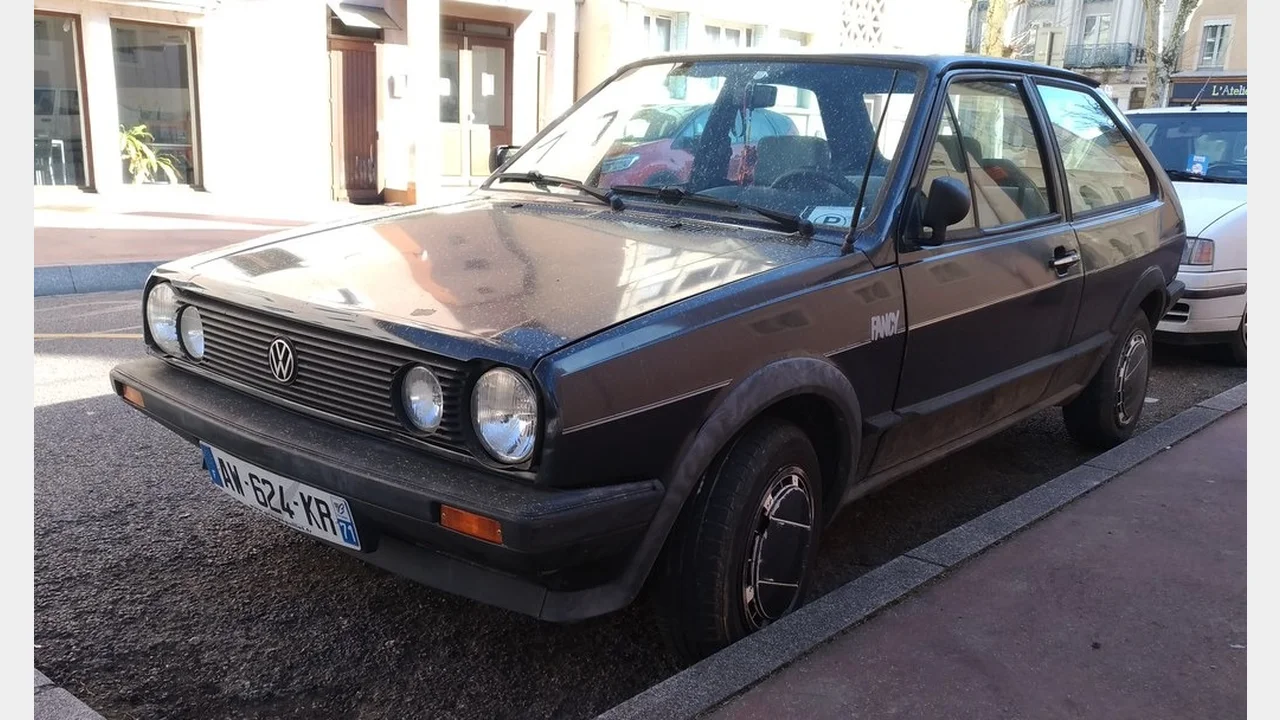
A clicking or knocking sound during tight turns often points to wear in the outer constant velocity joint on a front-wheel-drive car. For a VW Polo Vivo, this component transfers torque to the wheel while allowing steering movement. Because the exact part must match the vehicle’s model generation, trim level, powertrain configuration, and body style, the immediate task is narrowing the choice before purchase. The following sections explain what to check and how to interpret the common signs, using general automotive principles when specific fitment details are not confirmed.
The direct answer
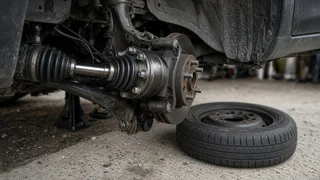
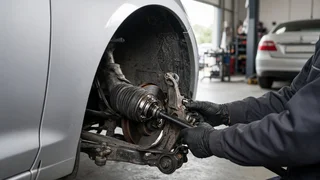
The immediate answer is that a replacement outer CV joint for a VW Polo Vivo should be selected by confirming the model year, engine and transmission layout, and whether the car uses a specific hub or driveshaft design for that market specification. A damaged joint is not automatically the only failed part, so the condition of the boot, grease, and axle splines should be inspected before ordering. A rhythmic knock while accelerating through a corner is the classic clue, but a torn boot leaking grease can produce the same eventual failure without an immediate loud noise.
When comparing parts, consider whether the vehicle is a later model generation with a different suspension package or an earlier production series. The outer joint sits at the wheel side of the driveshaft, so a mismatch in spline count or ABS ring fitment can prevent installation or disable a wheel-speed signal. Because supplier catalogs sometimes group several Polo variants together, using the VIN or a clear photo of the existing shaft is the most reliable way to avoid a return. Suspension wear, a loose axle nut, or a failing wheel bearing can mimic the same sound, which is why the joint should be confirmed as the source before purchase.