VW Polo Vivo Inner CV Joint
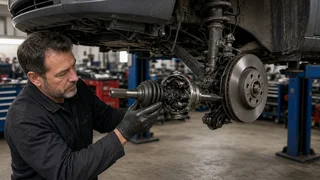
A clicking or rumbling noise during acceleration can point to wear inside a front-wheel-drive axle, and the VW Polo Vivo inner CV joint is one of the likely places to inspect. This joint connects the transmission output to the driveshaft while allowing suspension movement and slight length changes. Understanding how the inner constant velocity joint works, what typical wear looks like, and how model year, trim level, or powertrain configuration may affect parts helps you describe the fault accurately and choose a practical next step. The following overview explains the joint’s role without assuming a failed component.
Essential answer
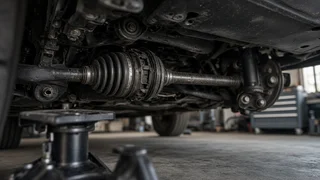
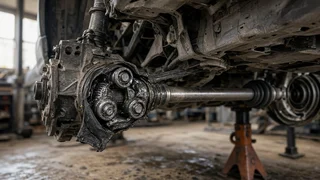
The VW Polo Vivo inner CV joint is the inboard constant velocity coupling on a front driveshaft. Unlike the outer joint, which supports large steering angles at the wheel hub, the inner joint mainly accommodates suspension travel and small changes in driveshaft length as the wheel moves up and down. It transfers torque from the transaxle to the shaft through a set of balls running in curved grooves inside a housing, so power delivery remains smooth during normal suspension movement.
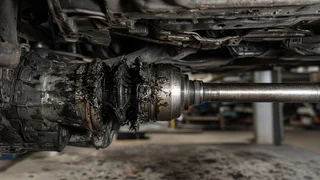
Because the Polo Vivo has been offered in different model generations, body styles, trim levels, and powertrain configurations, the exact joint design can vary by market specification. A replacement joint or boot should therefore be matched to the specific axle side, engine and gearbox layout, and production-era parts catalog for that vehicle. Symptoms such as shudder under load or leakage of grease from a split boot are clues to inspect the joint, but they are not proof that the joint itself has failed.